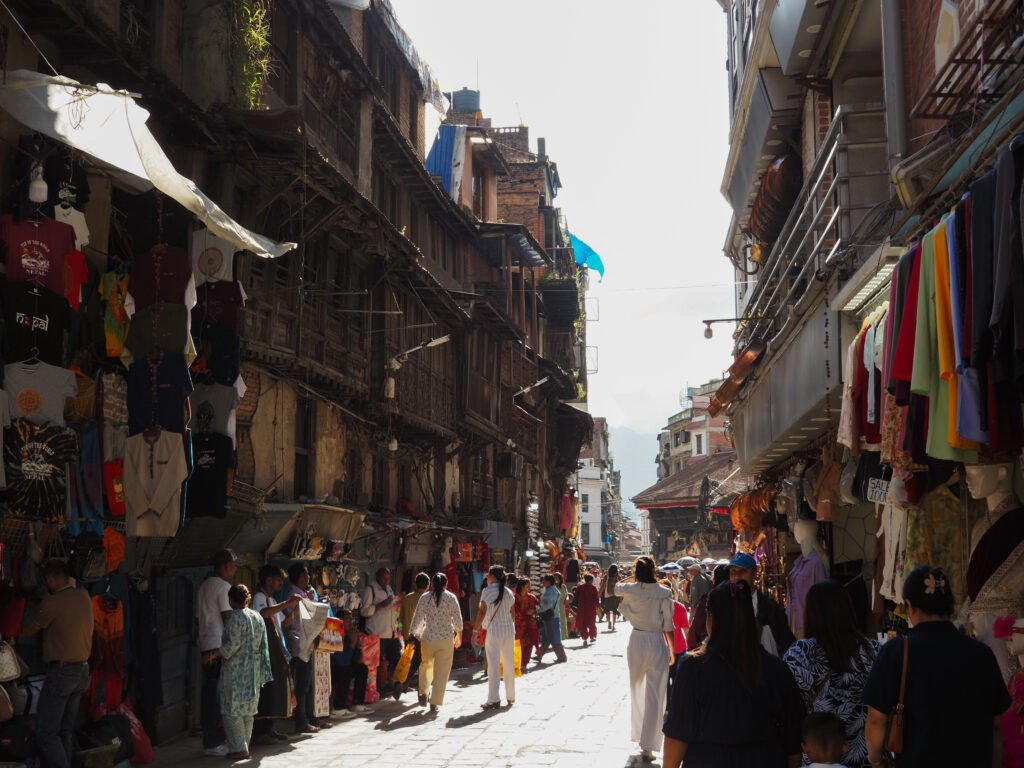
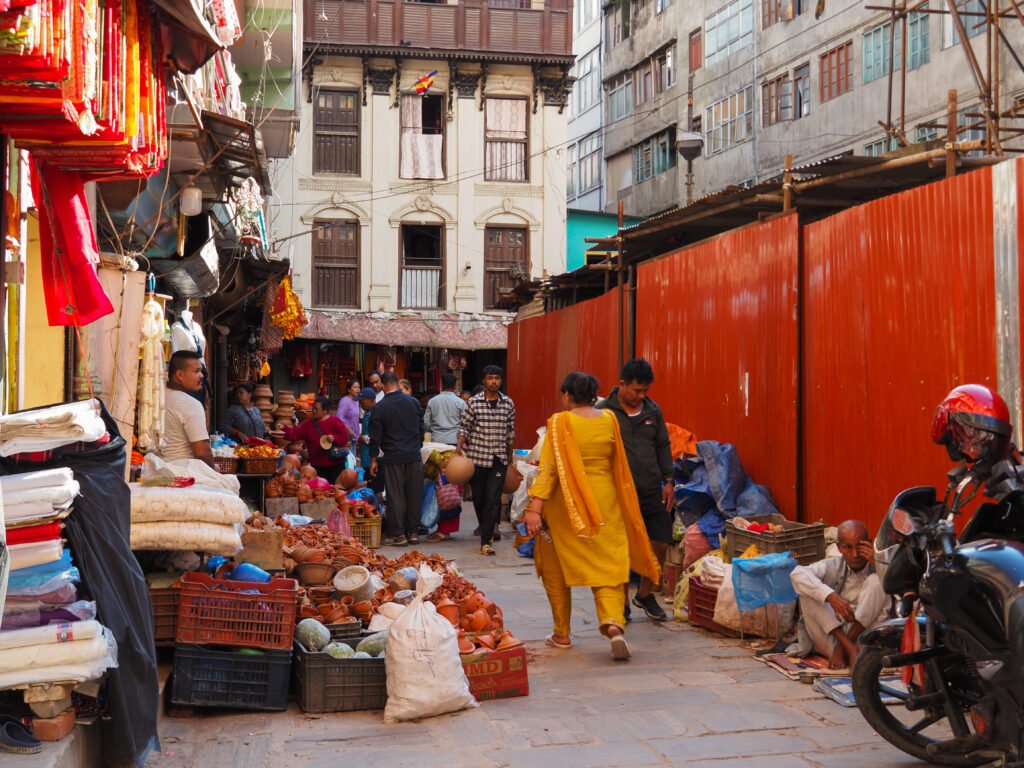
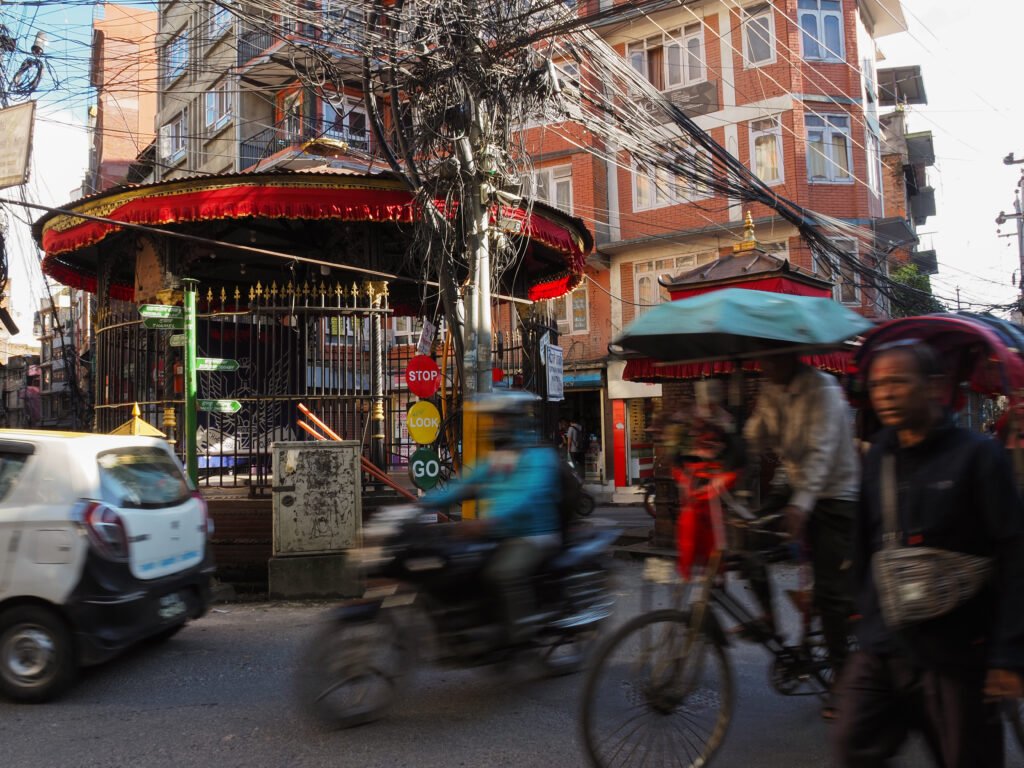
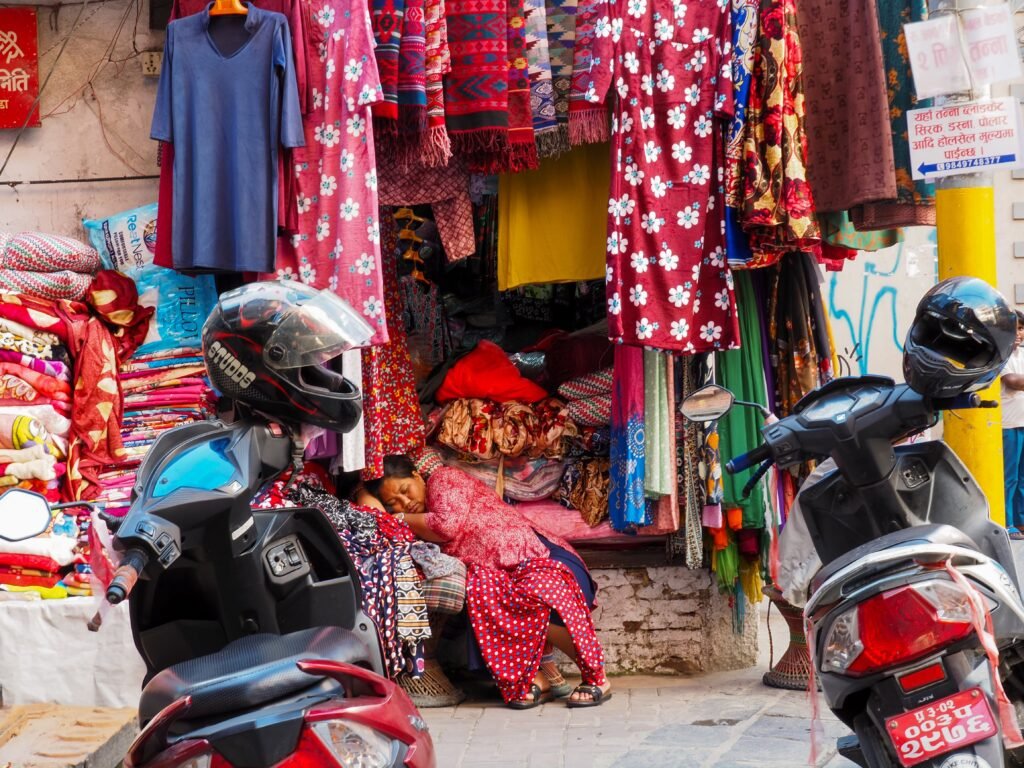
Almost every corner of the busy streets of Kathmandu hosts a temple. Some are intricate works of art carved into wood on red walls, with roofs where green grass has been growing for decades or maybe centuries; others are almost unnoticeable small stone sanctuaries on the side of the street, where statues of Hindu gods are adorned with flowers and orange, pink and red powder.
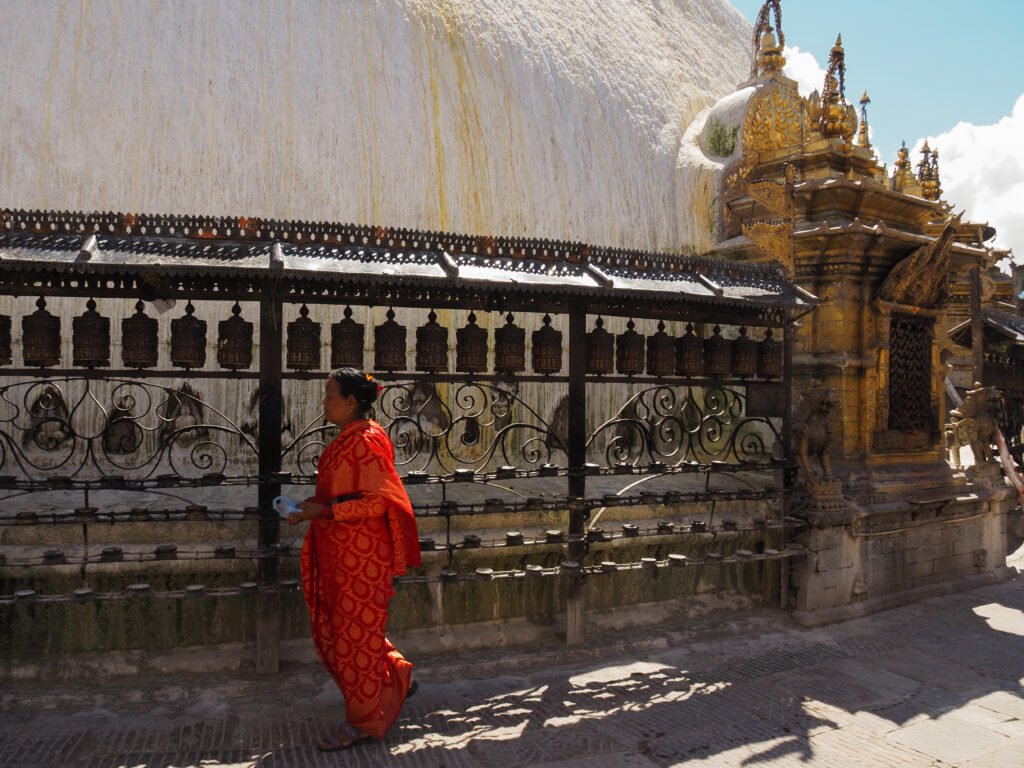
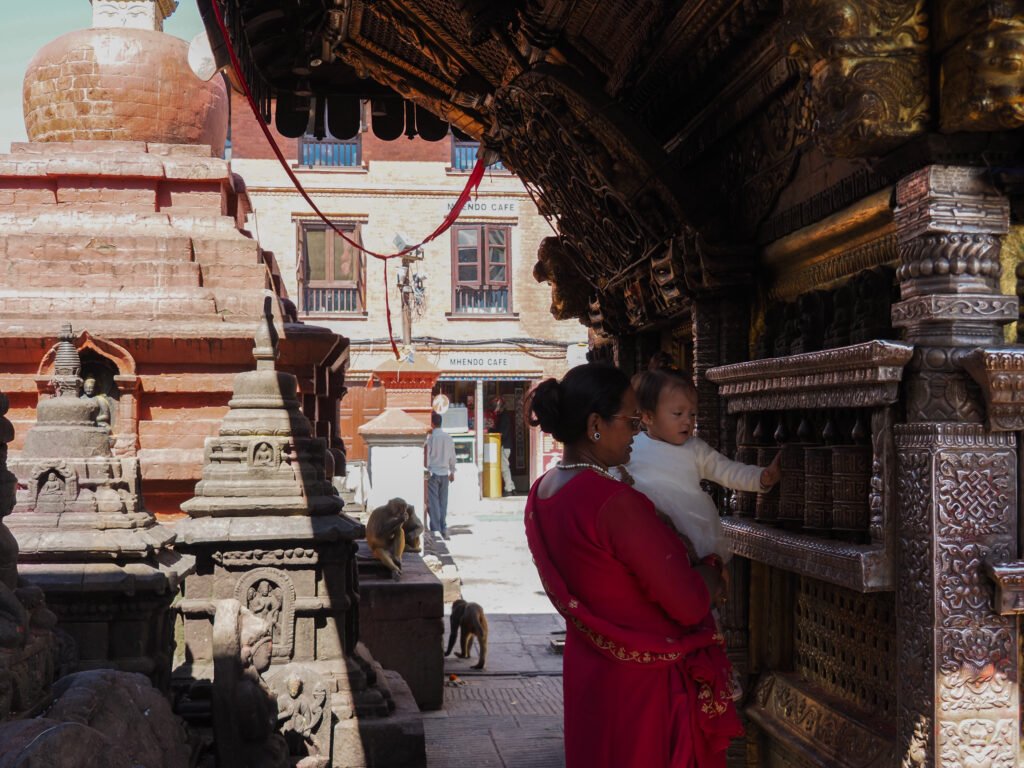
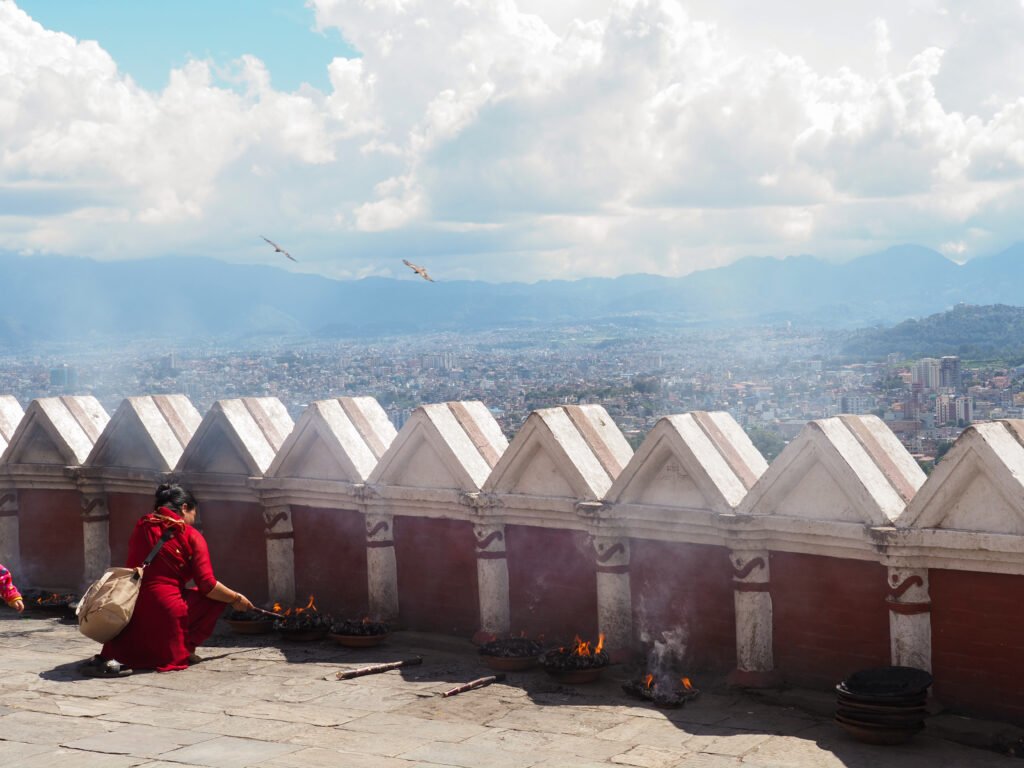
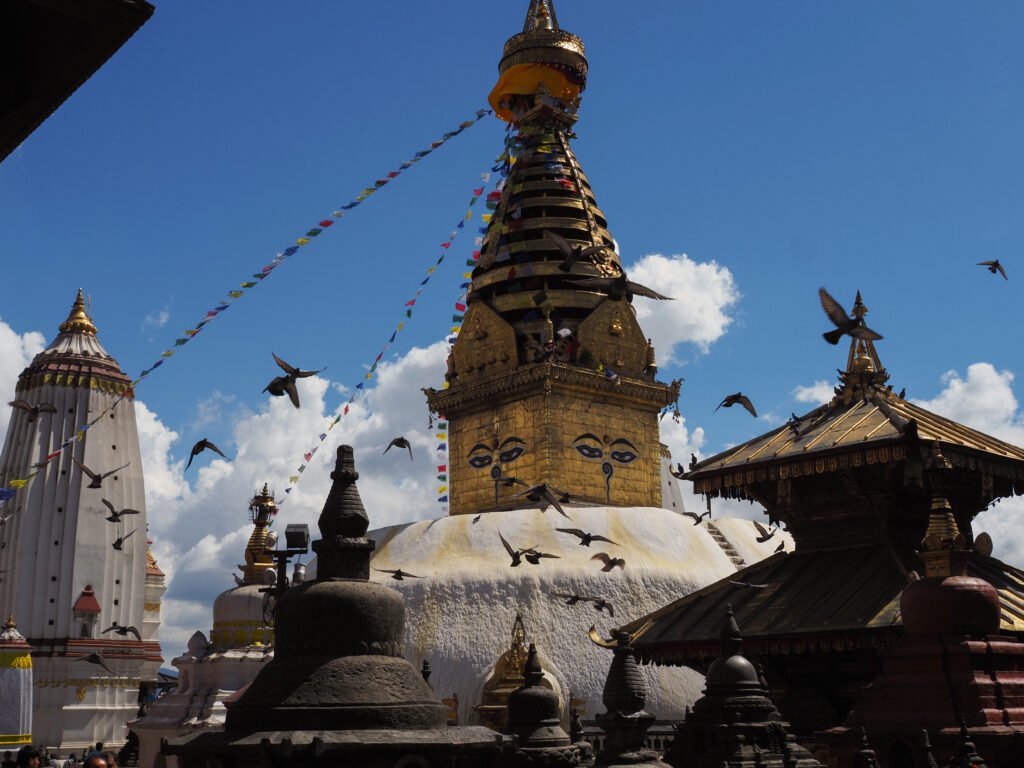
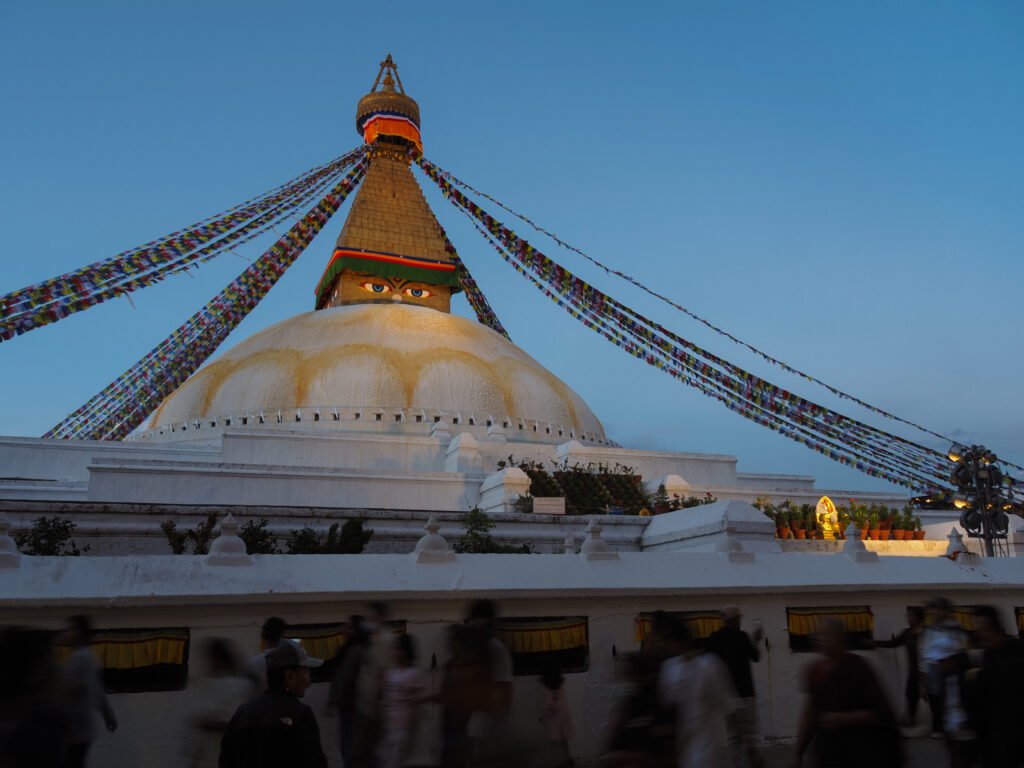
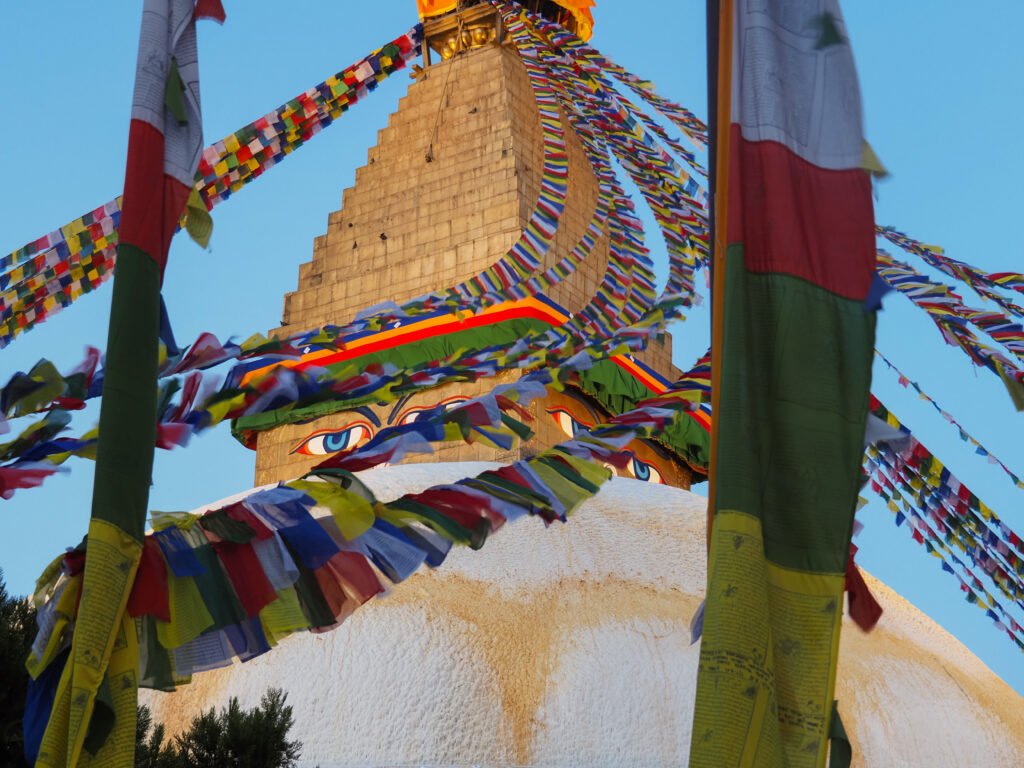
Around the capital there are bigger religious sites, like Swayambhunath Stupa to the east, which is also known as the monkey temple and has a beautiful view on the city, and the Buddha Stupa on the west side of Kathmandu, where crowds of worshippers walk devoutly clockwise around the large circular structure while reciting mantras.
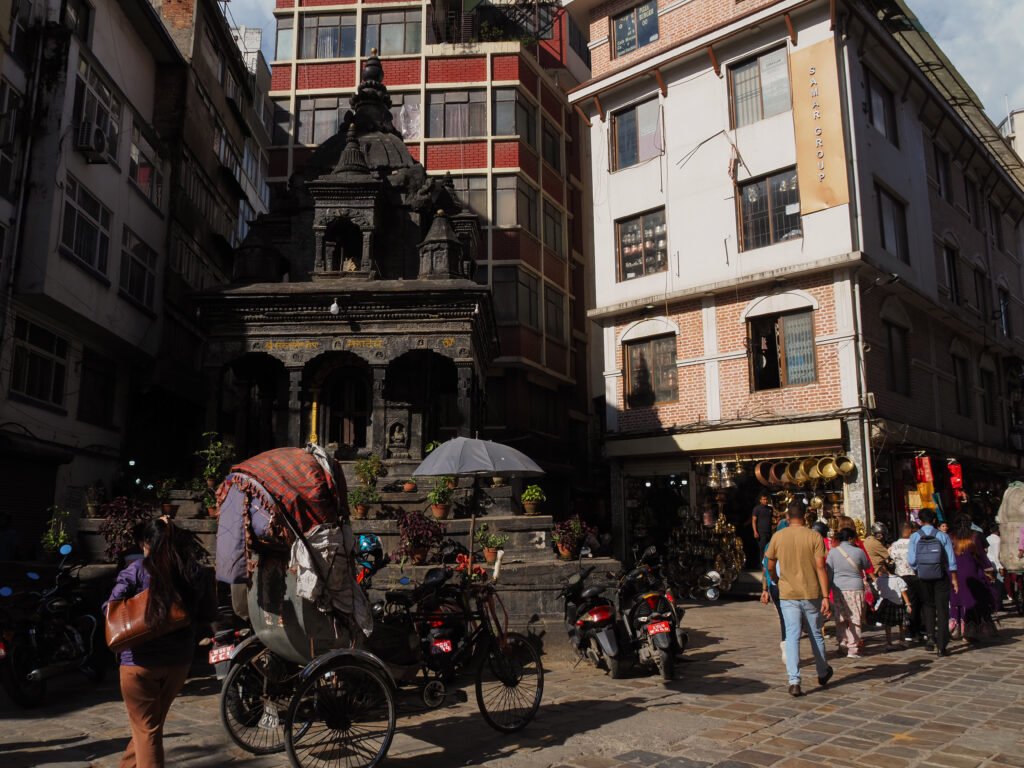
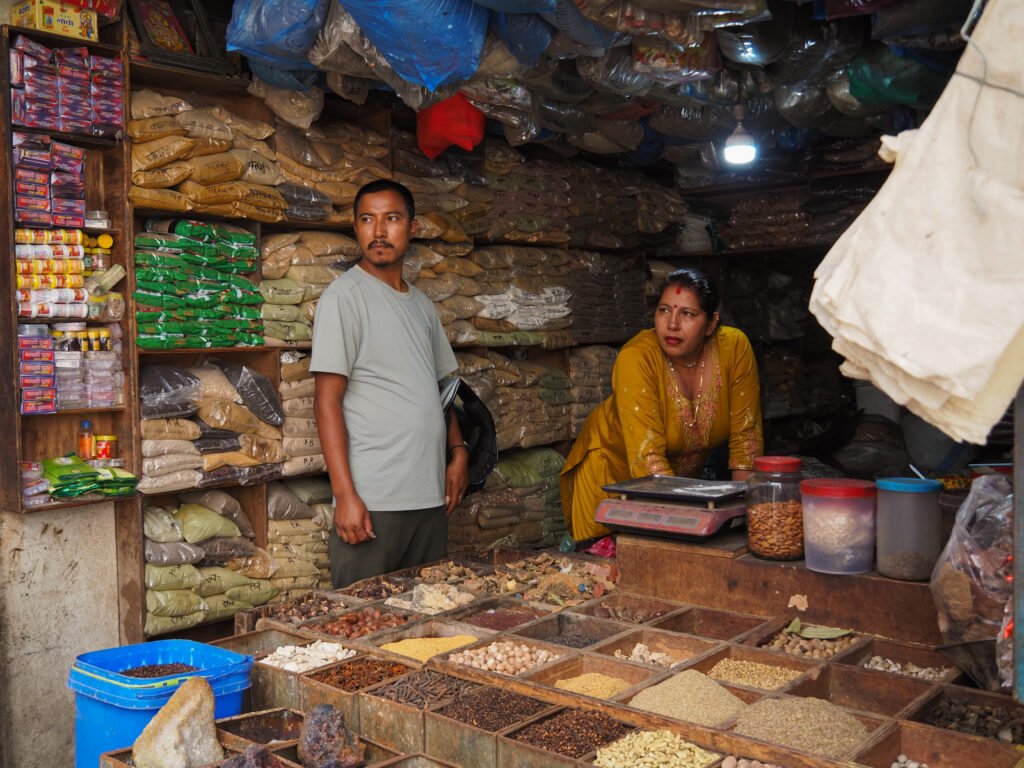
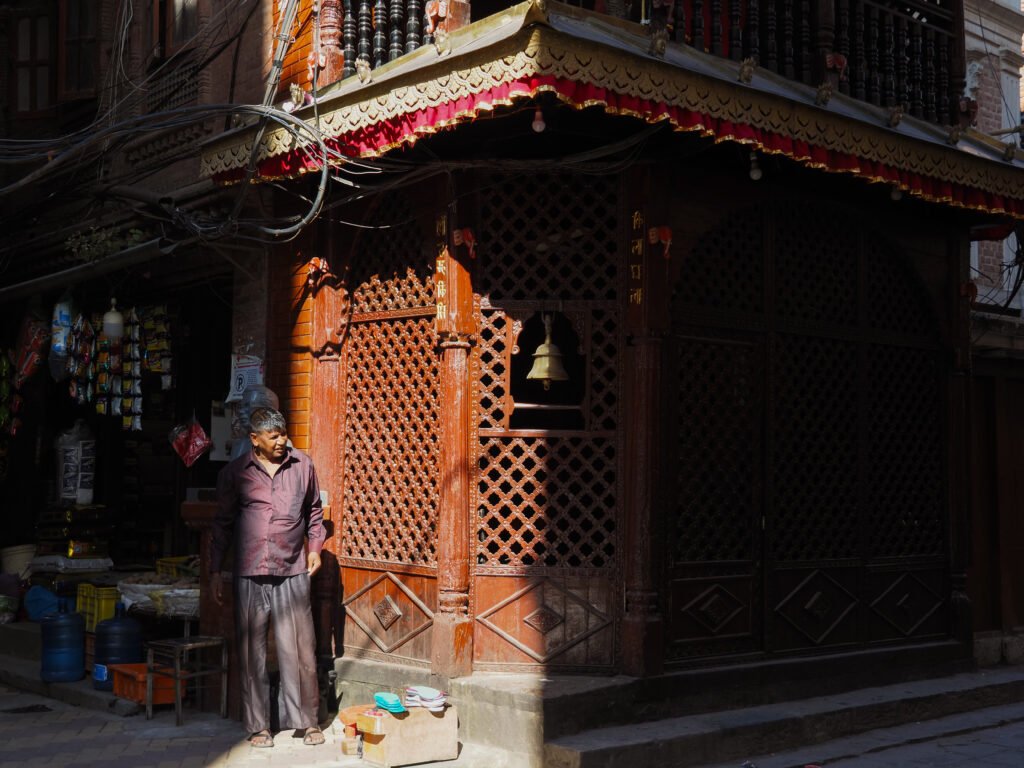
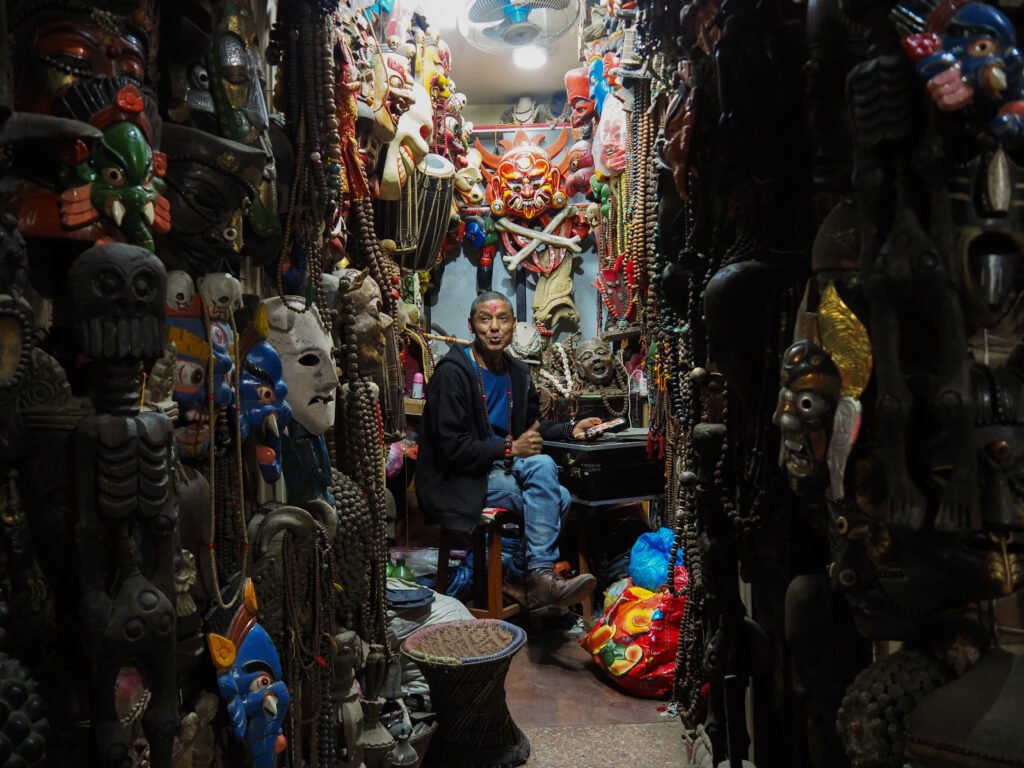
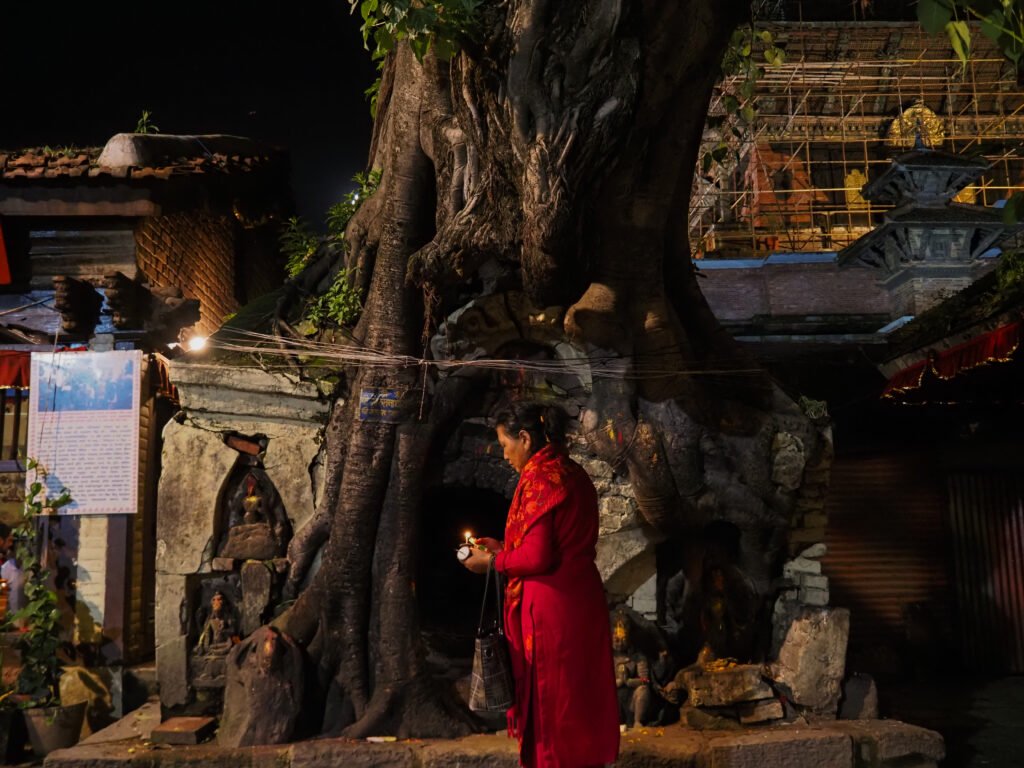
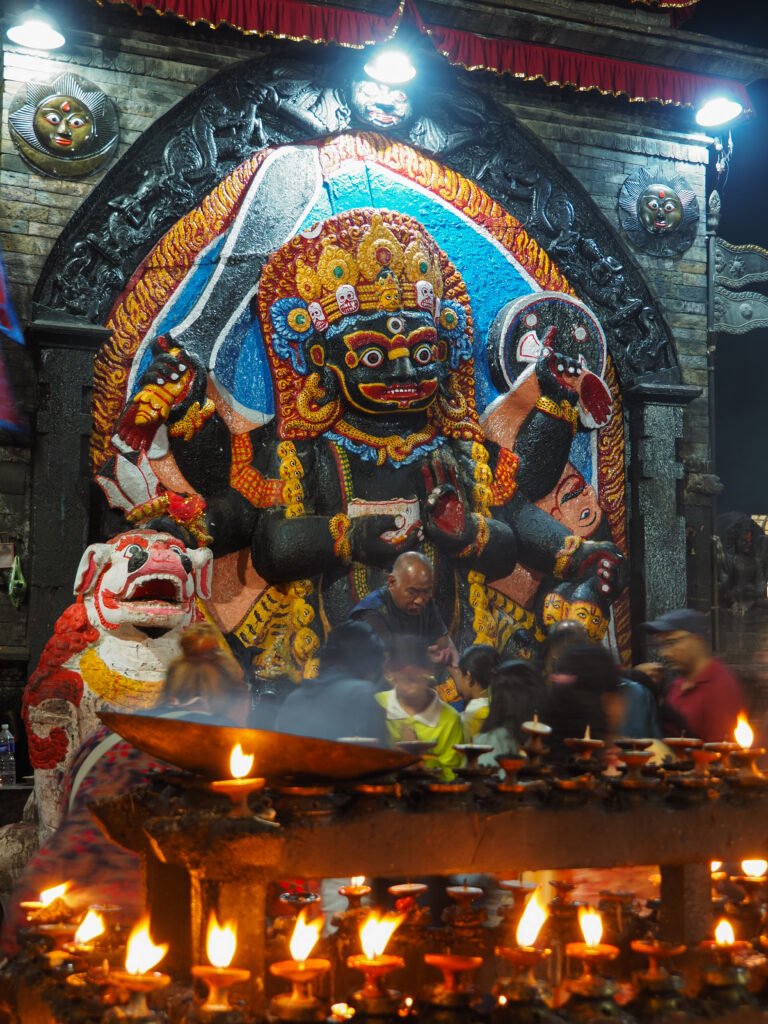
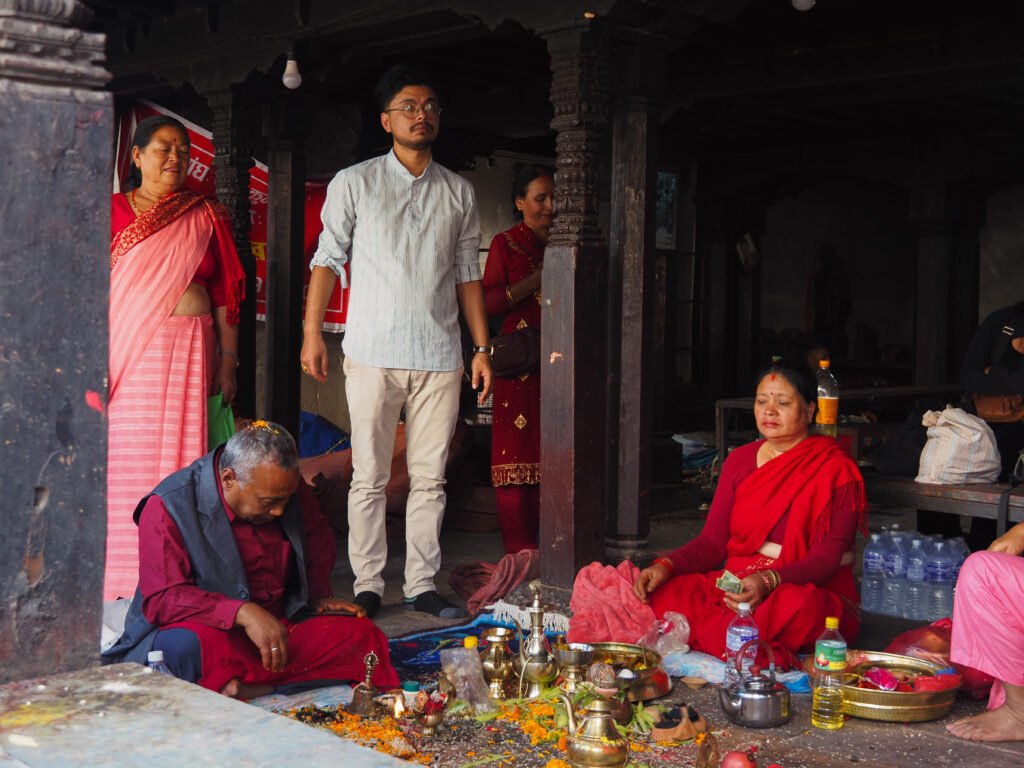
Kathmandu’s Old Town hosts narrow streets, centuries old buildings, small shops and bustling bazaars. At its heart, Durbar Square is a complex of Hindu temples and sanctuaries where people come to get their blessing, light candles, pray and pay their respects to the gods. Especially around sunset, this is a busy religious hub where you can easily spend hours observing traditional religious practices unfold in every corner of the square.
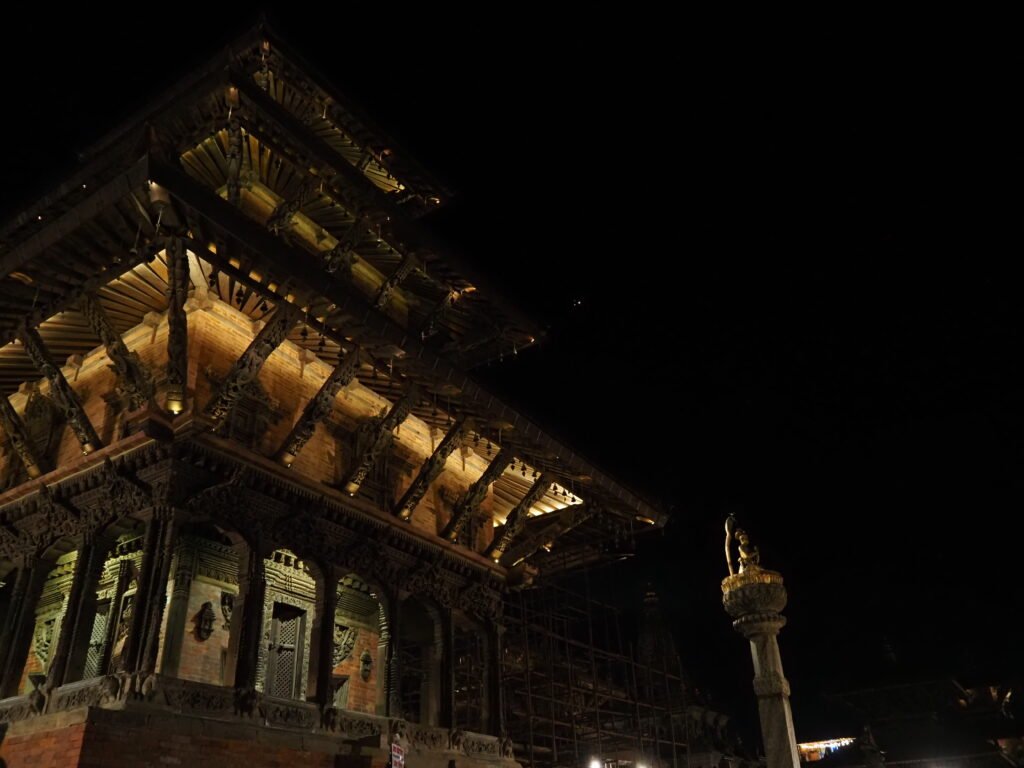
Durbar Square is the name of the main square of every city and town in the region, and beyond Kathmandu, there are a few others that are worth the visit. A few kilometres south of the capital, the town of Patan and its Durbar Square boasts some of the most beautiful temples and buildings of Newari architecture. Here, at night, the atmosphere can carry a strong sense of spirituality.
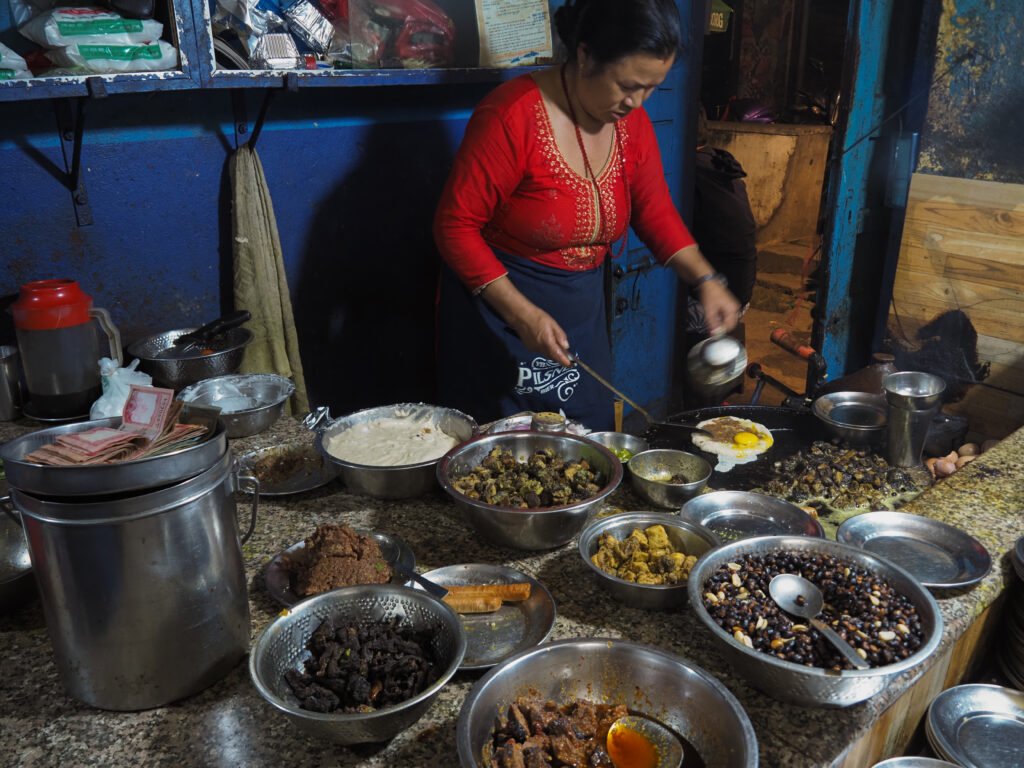
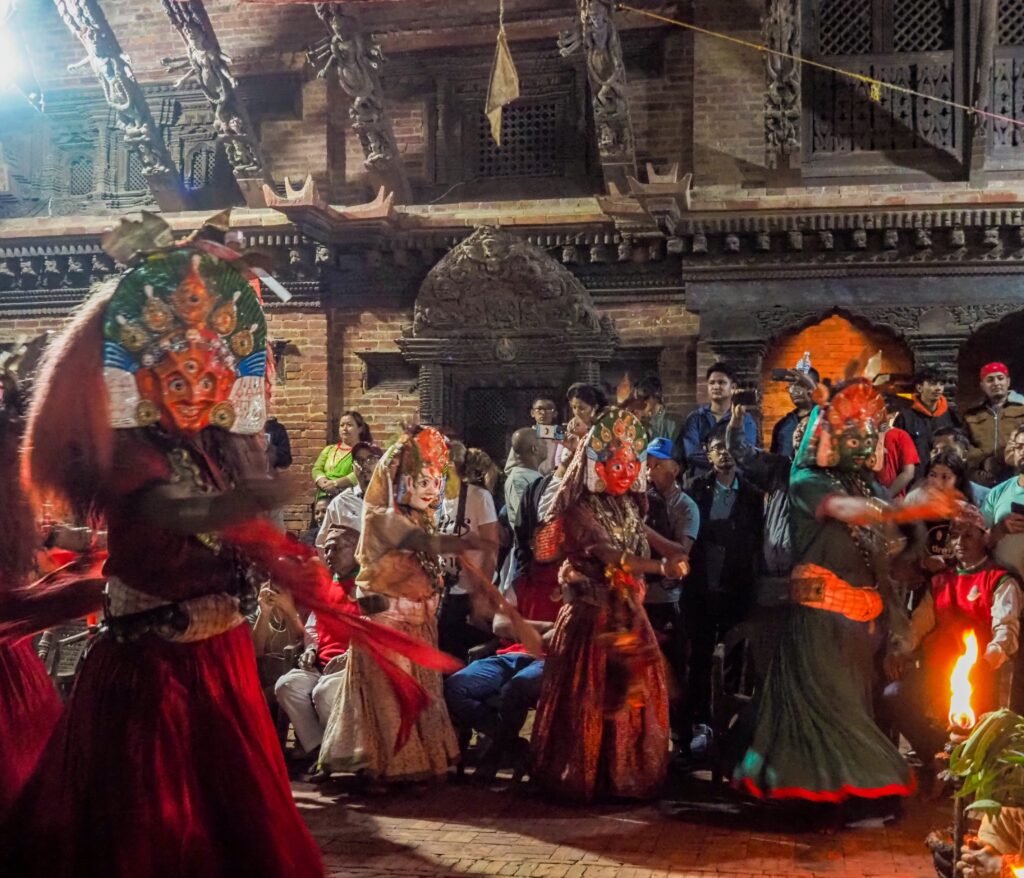
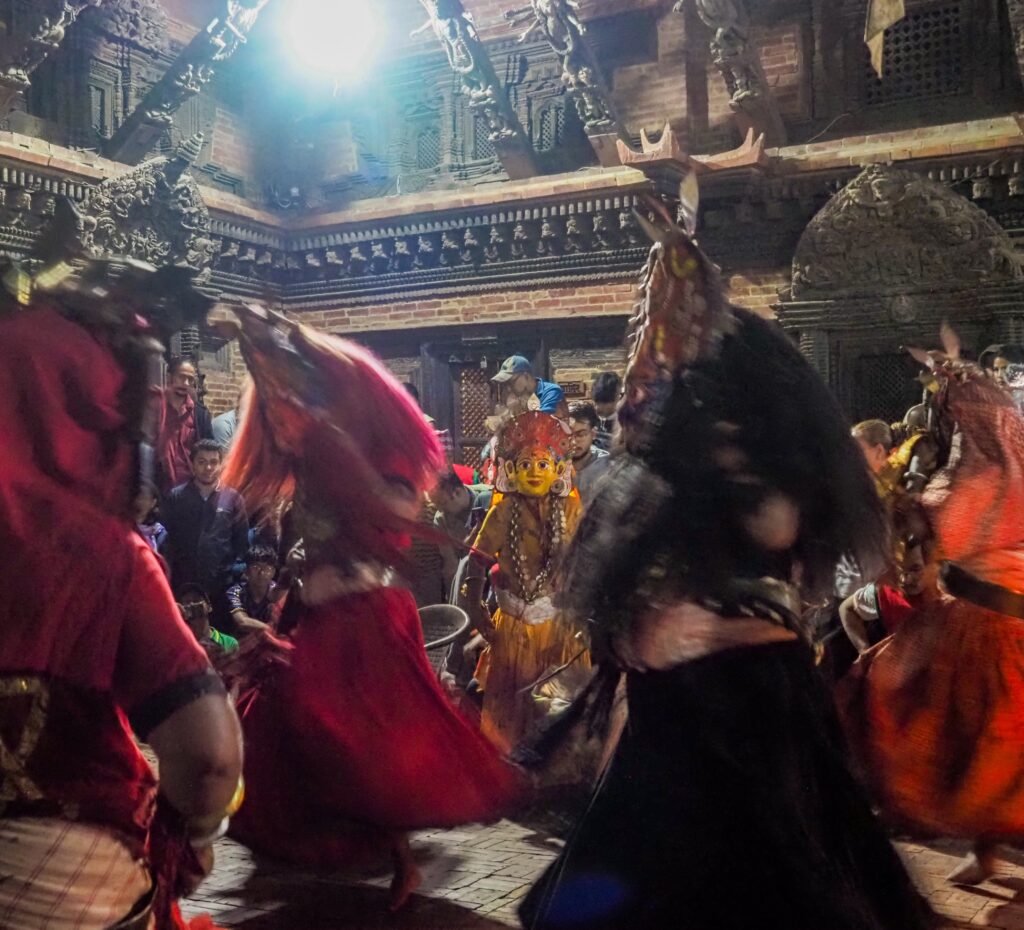
On our way back to Kathmandu, after a delicious dinner based on traditional Nepalese street food, a rhythmic sound of drums draws us into the inner courtyard of one of the temples. Nine figures are dancing at its centre, wearing long colourful dresses adorned with big jewellery, their head is covered with large, long wigs and detailed masks representing nine different Hindu divinities. When the music stops, the people impersonating the gods sit down and a sheep is led by a rope to the centre of the courtyard. Now the rhythm of the drums quickens; it is time for the sacrifice to the gods. The sheep will be slaughtered, its blood collected and then distributed to the nine gods to drink. Many observers gather around the scene eagerly awaiting for the ritual, some filming it with their phones. In one corner, a cow restlessly look around, it knows very well what awaits it. We feel it is our time to leave, we walk out of the temple with many thoughts crowding our minds and heavy hearts.
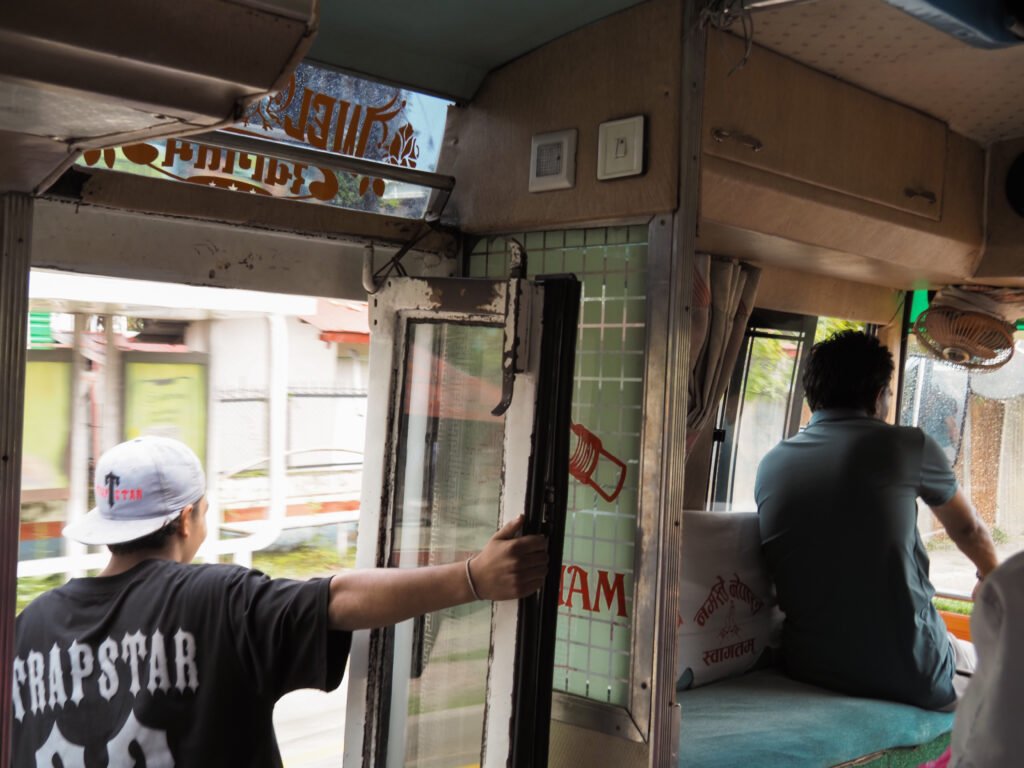
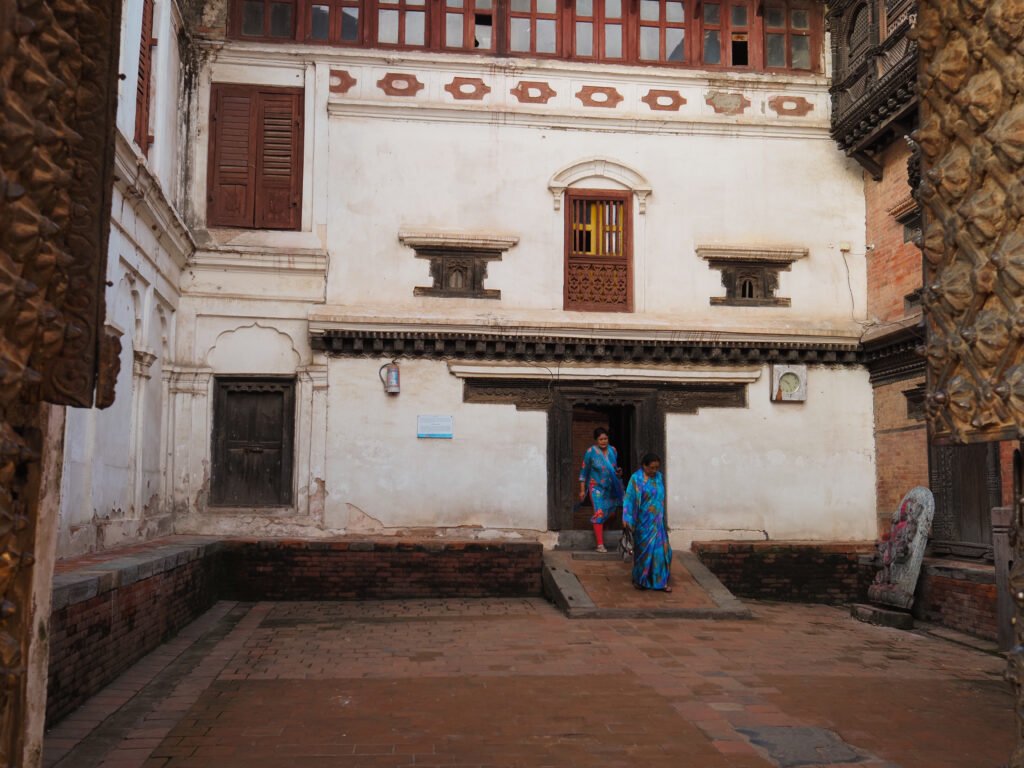
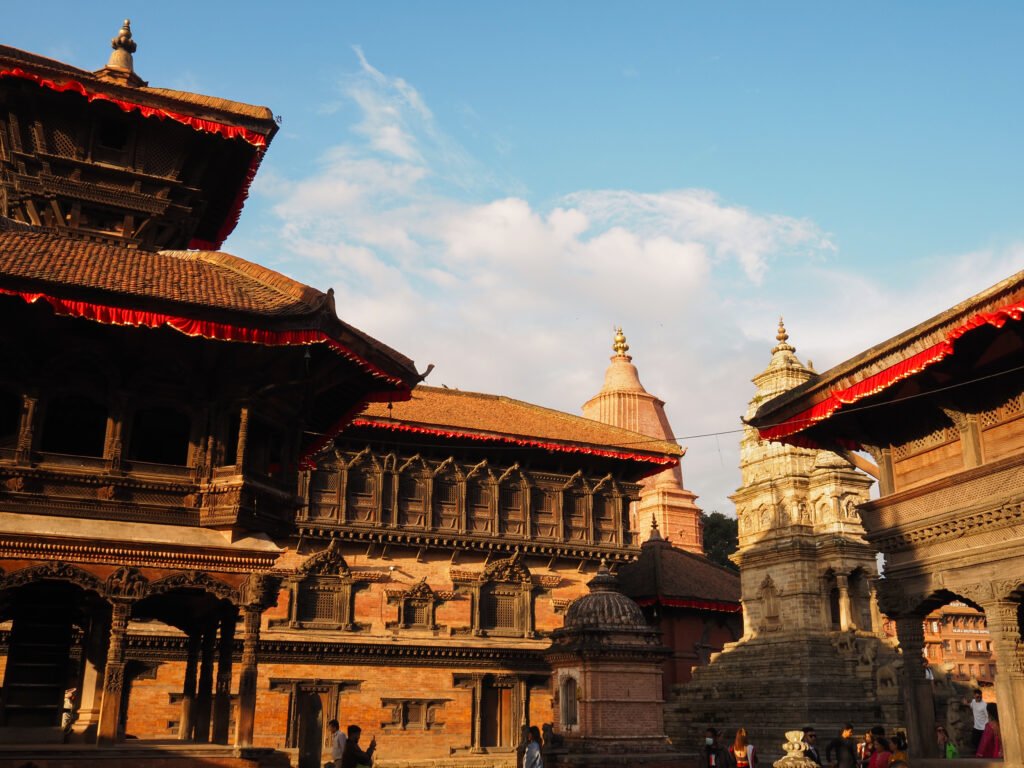
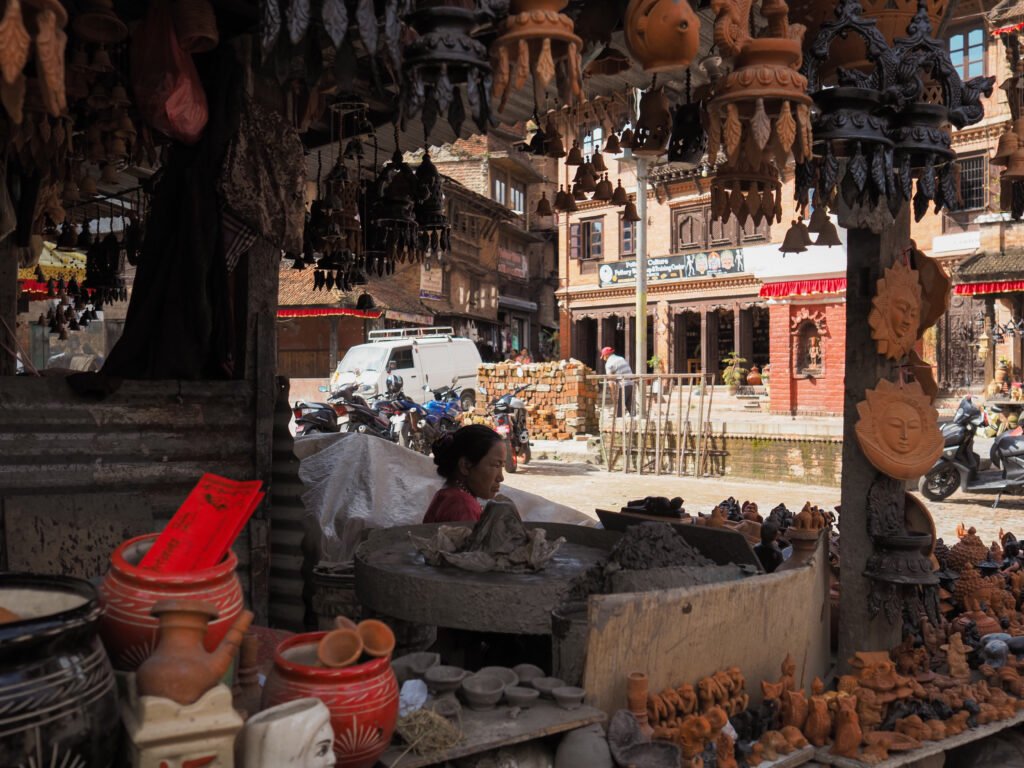
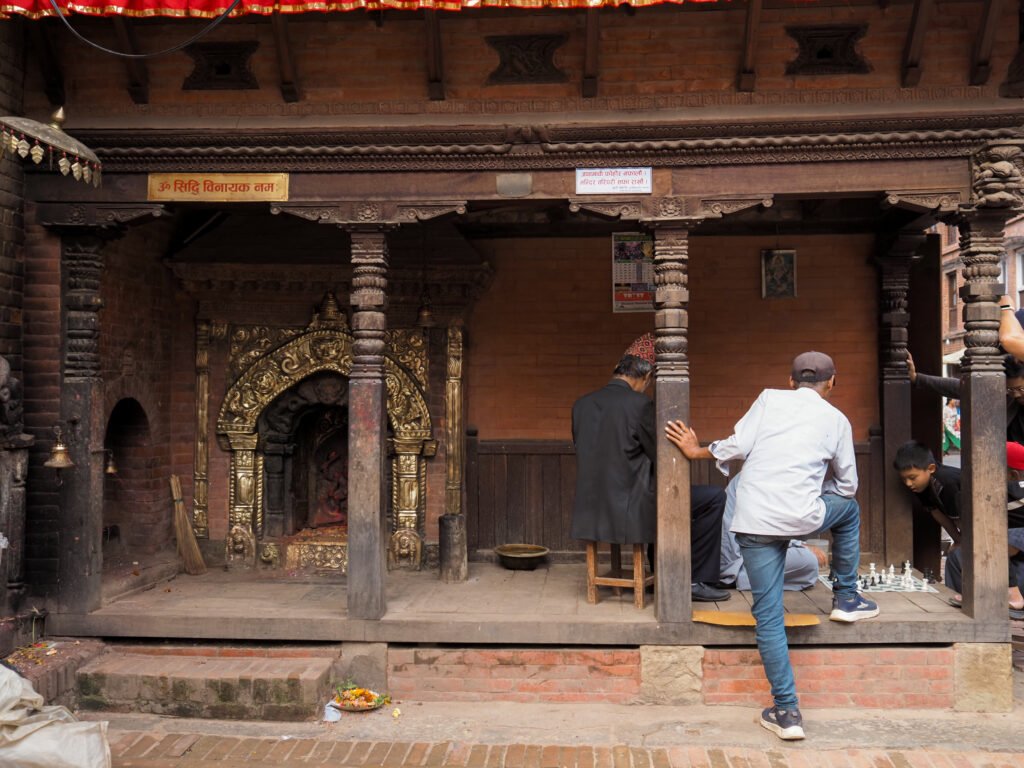
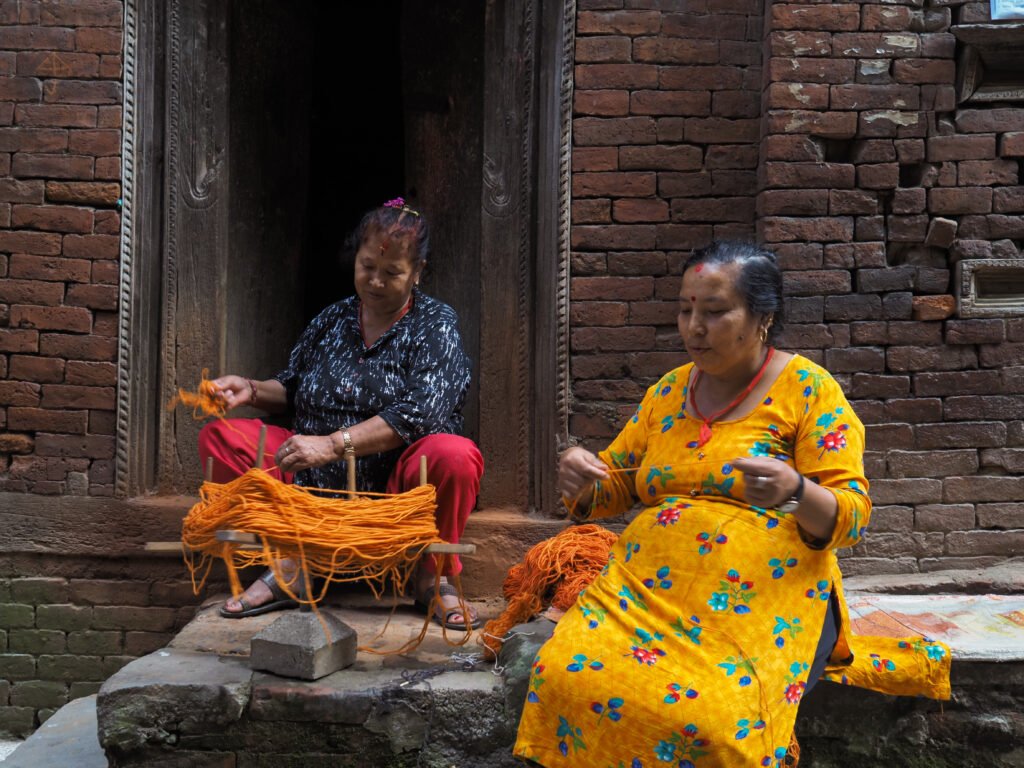
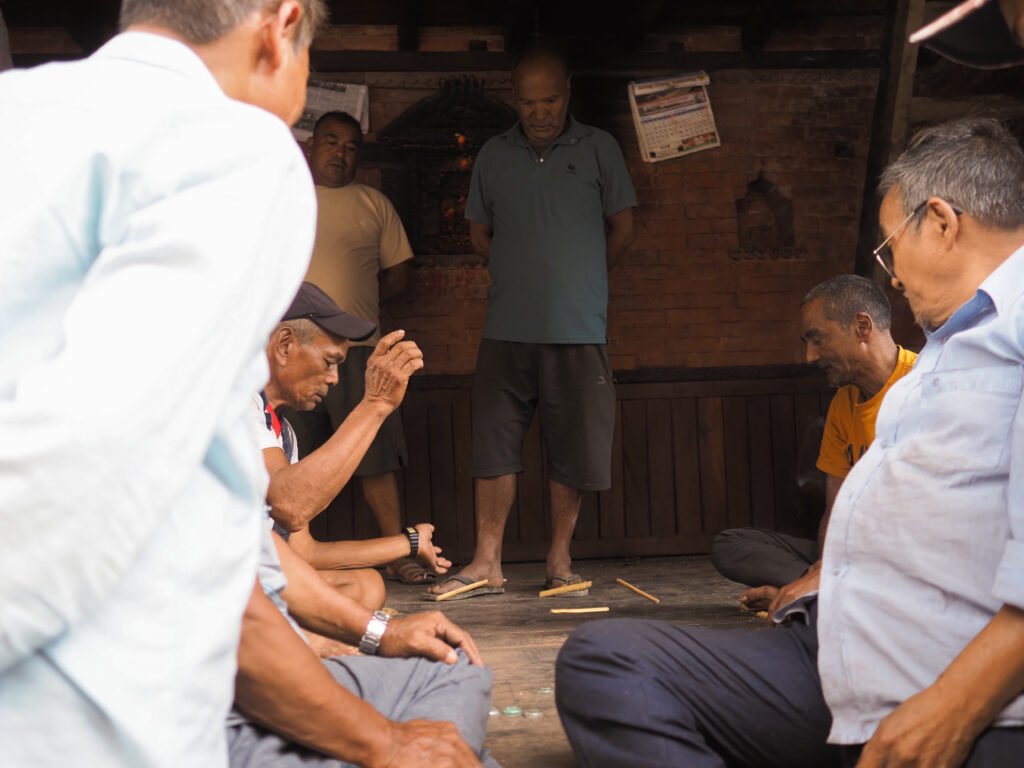
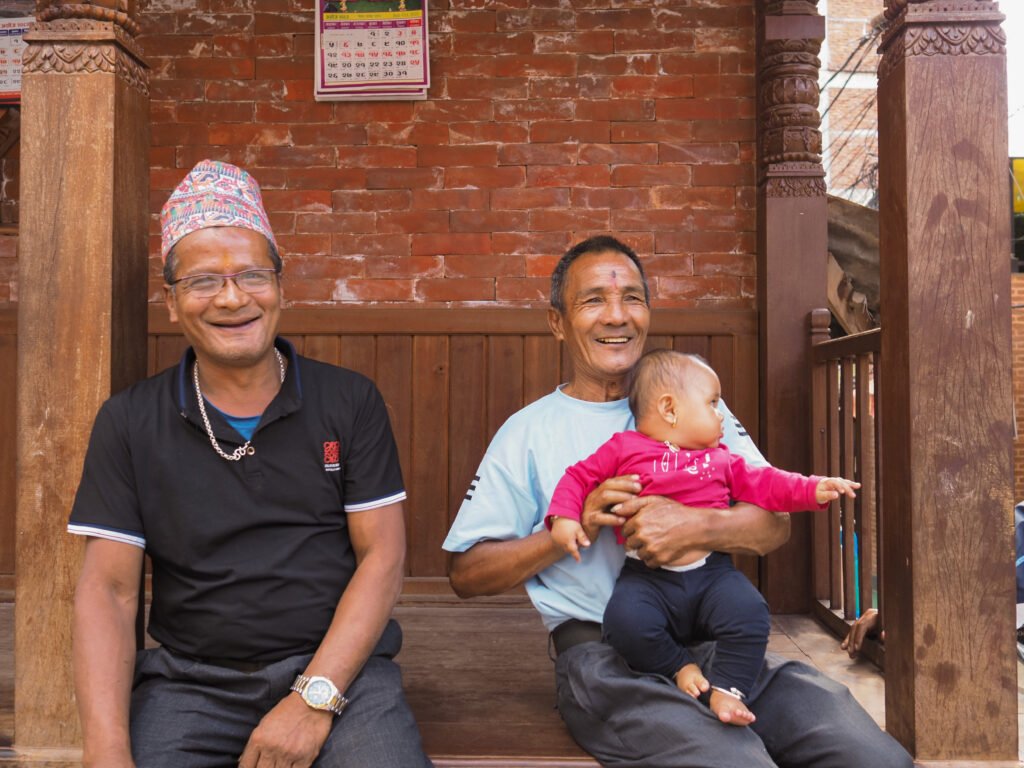
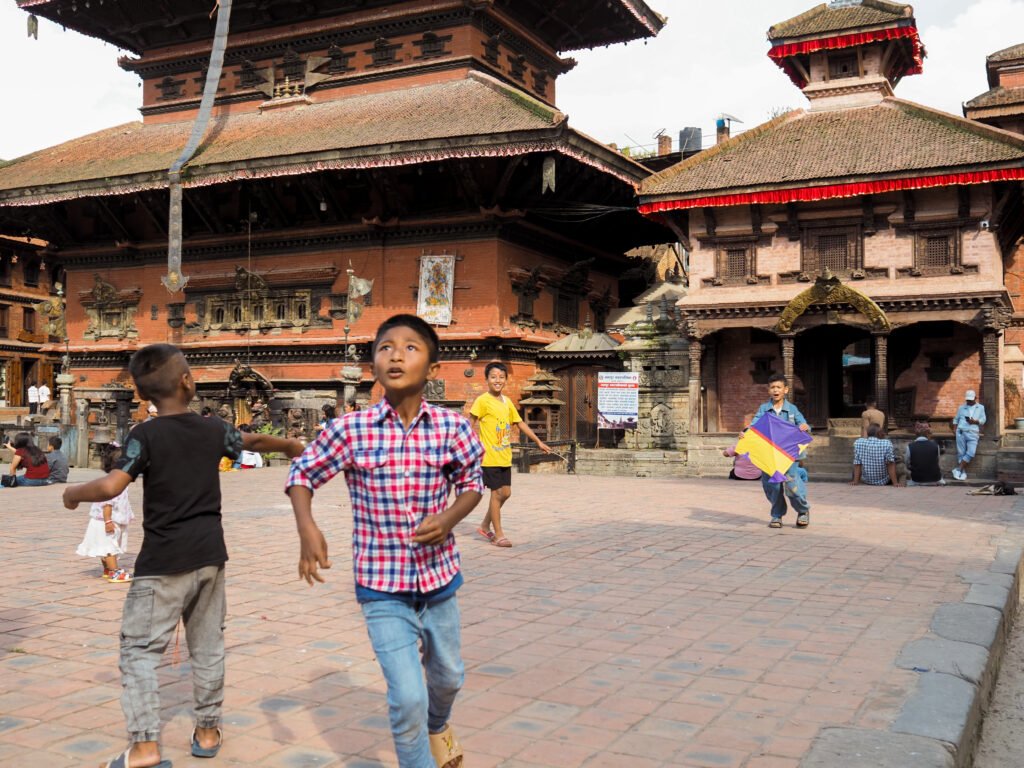
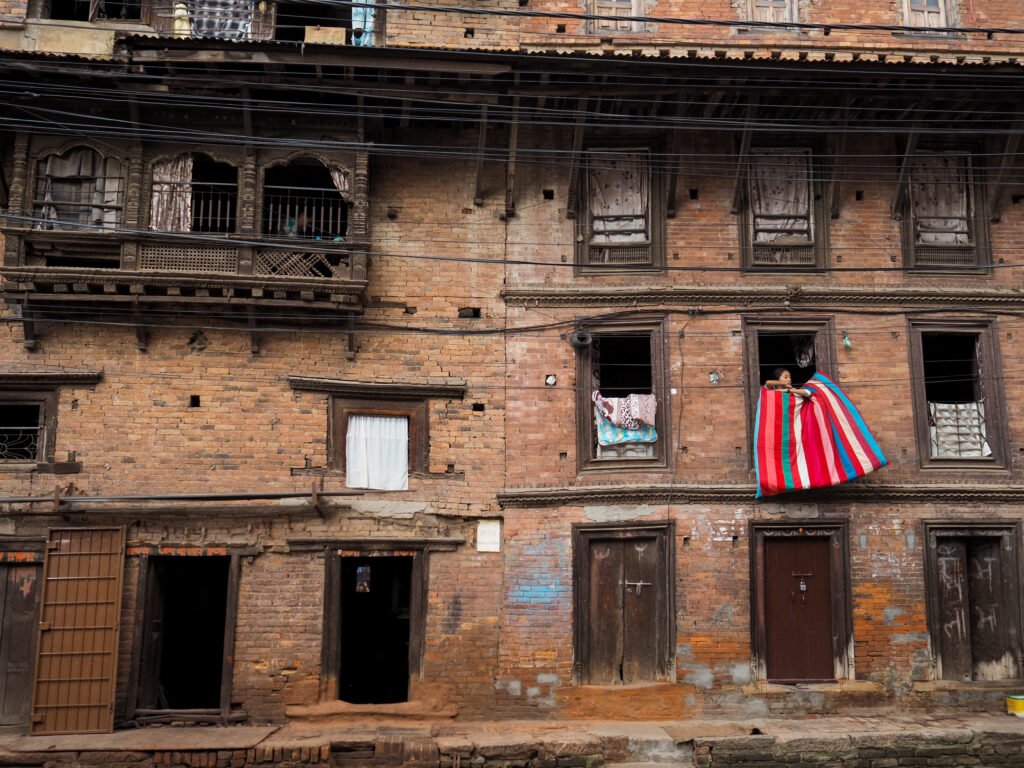
About one hour by local bus west of Kathmandu is the town of Bhaktapur. Its Durbar Square is maybe the most breathtaking one of the three. The gaze jumps from one structure to another, losing itself into the detail of every part of the square and surrounding buildings. Besides the Golden Gate in Durbar Square and the mighty Nyatapola Temple in Taumadhi Tole, what not to miss in this town is really just a stroll around the side streets. Here the daily life of the inhabitants unfolds undisturbed, as if no tourist had ever crossed those roads. Men meet in the shade of ancient buildings to play all sorts of games, board games, chess, gambling etc, while women weave hats from colourful balls of wool and children play with handmade kites in the main square. Art and handicraft are present in every corner of these narrow streets, from painting, to jewellery and pottery.
Kathmandu and the towns surrounding it are gemstones of beauty, tradition and spirituality. They narrate the history of a country exceptionally rich in culture and intrigue their visitors to discover more of it through their journey into the wildest areas of Nepal.