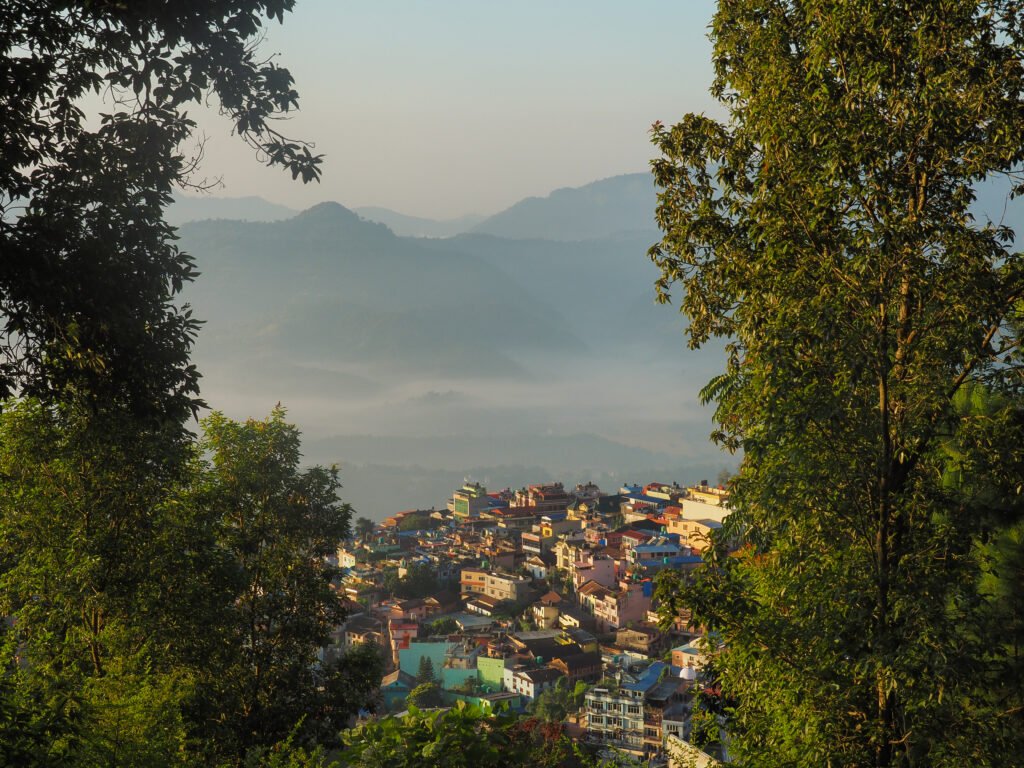
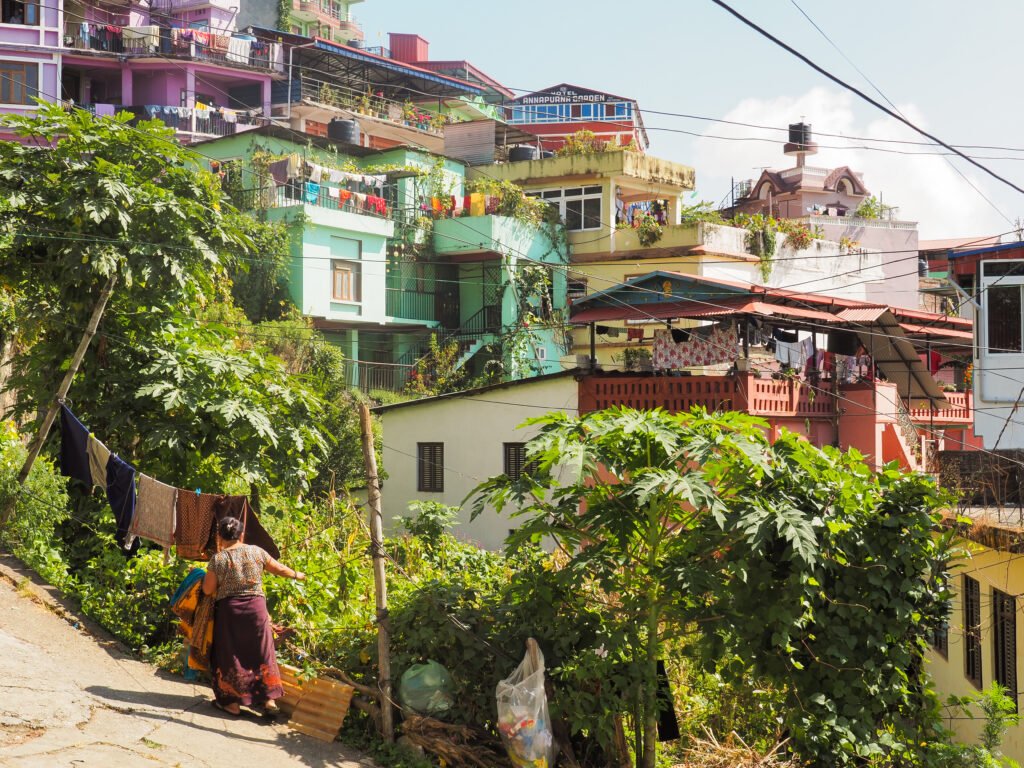
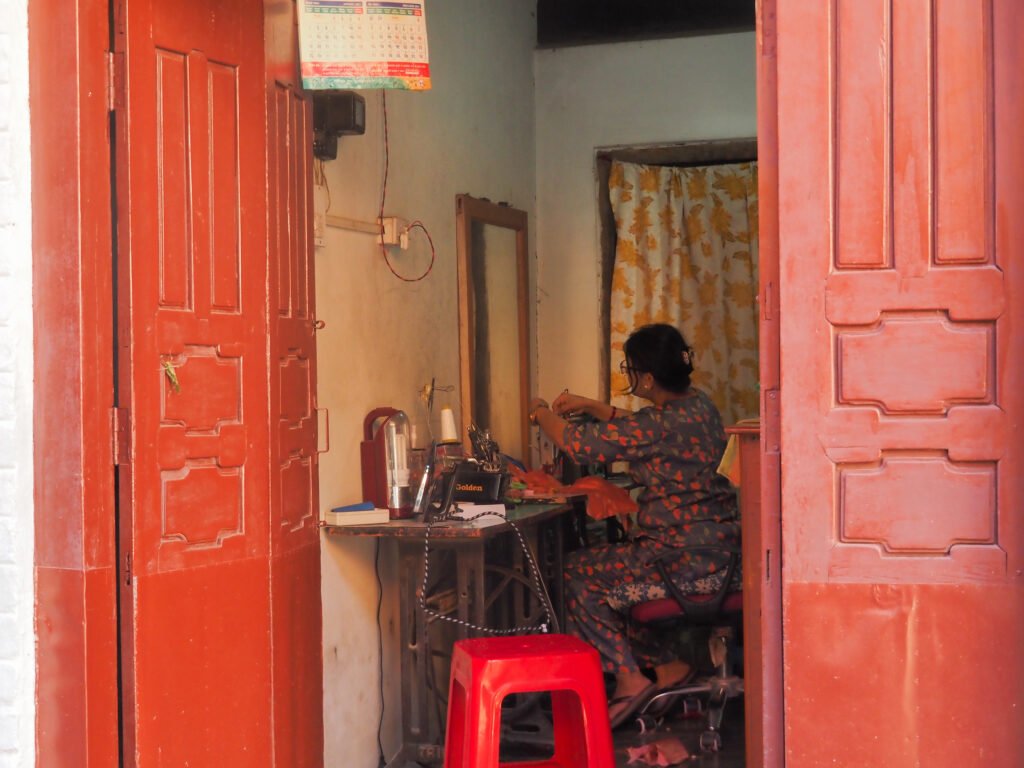
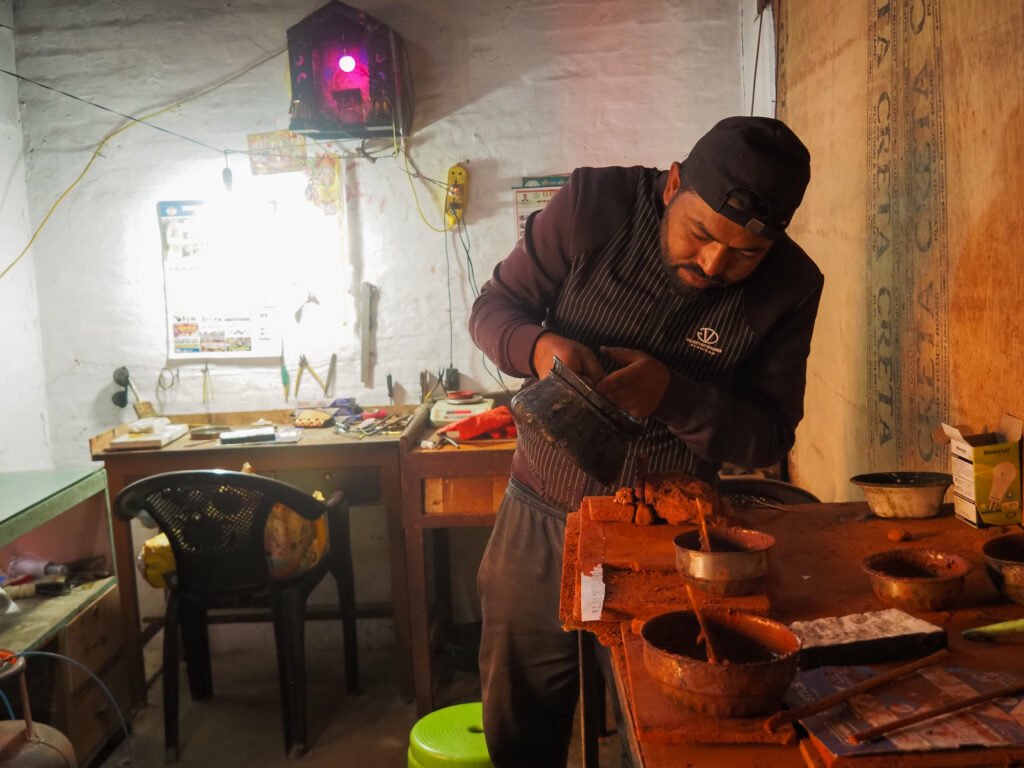
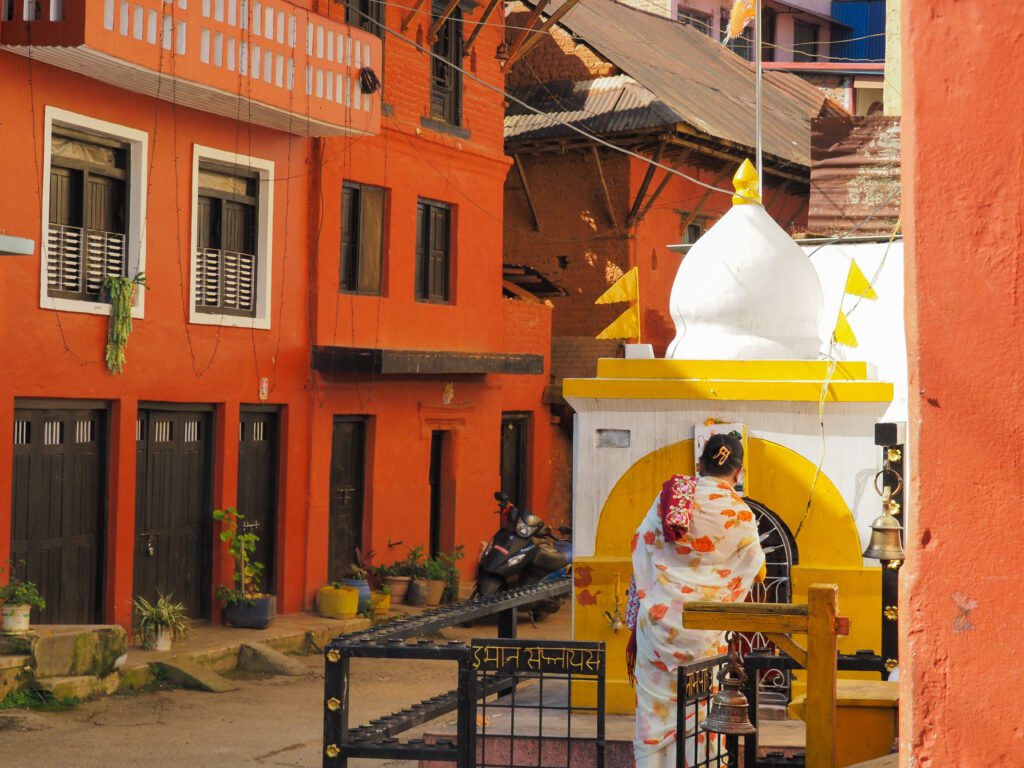
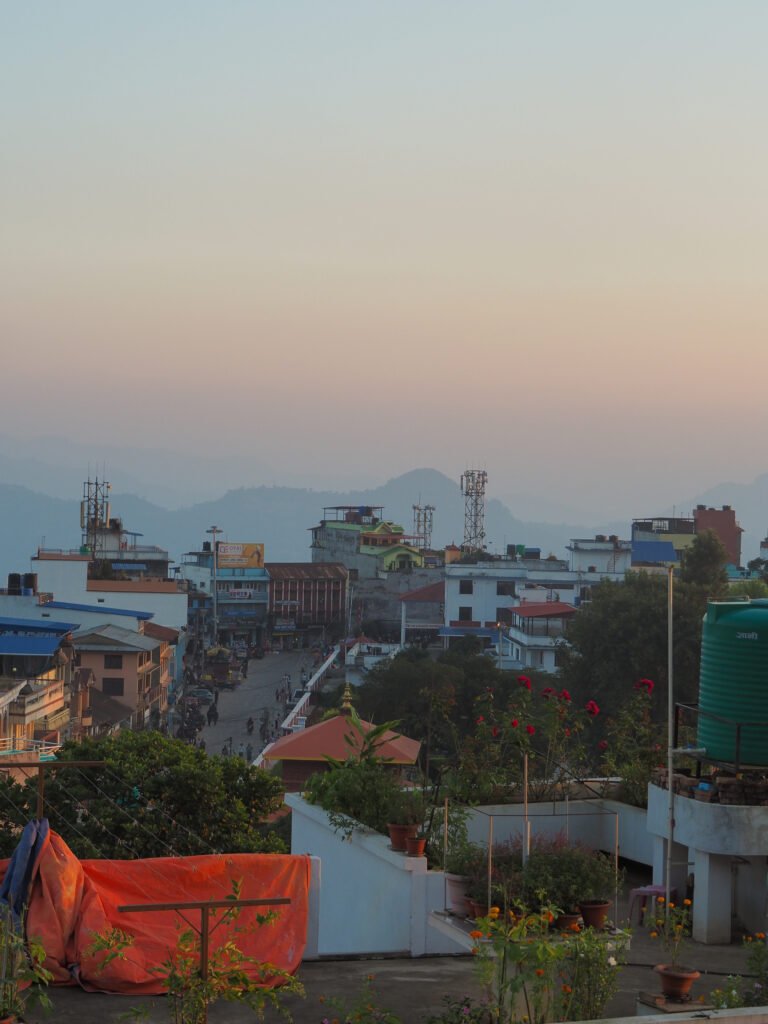
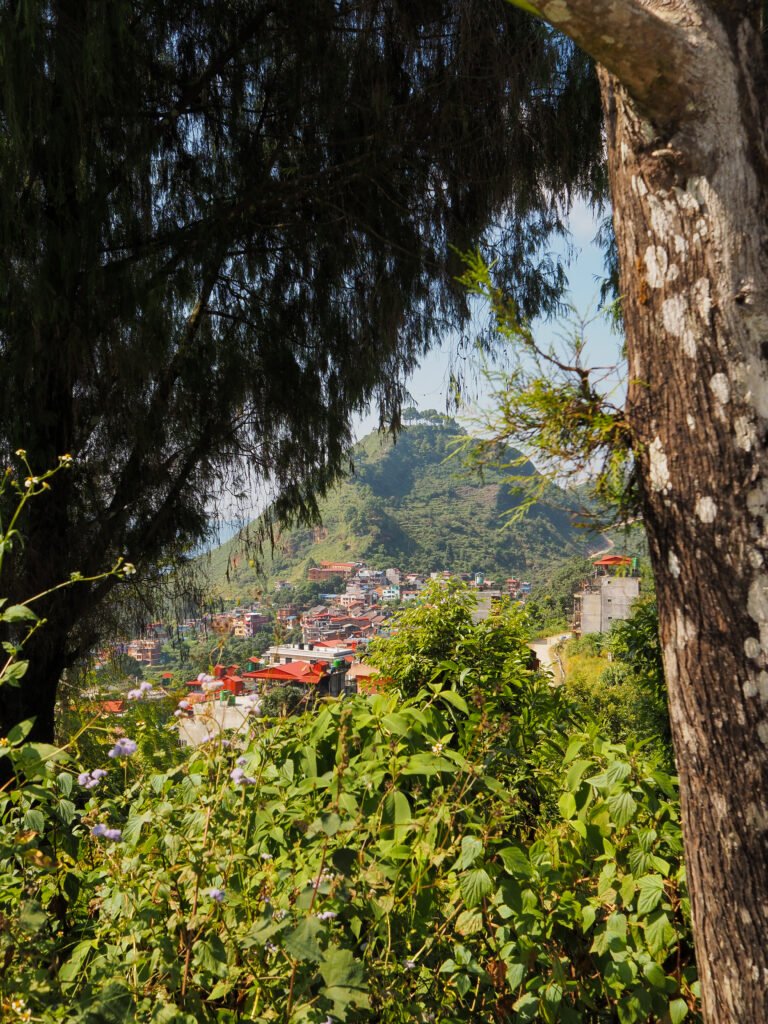
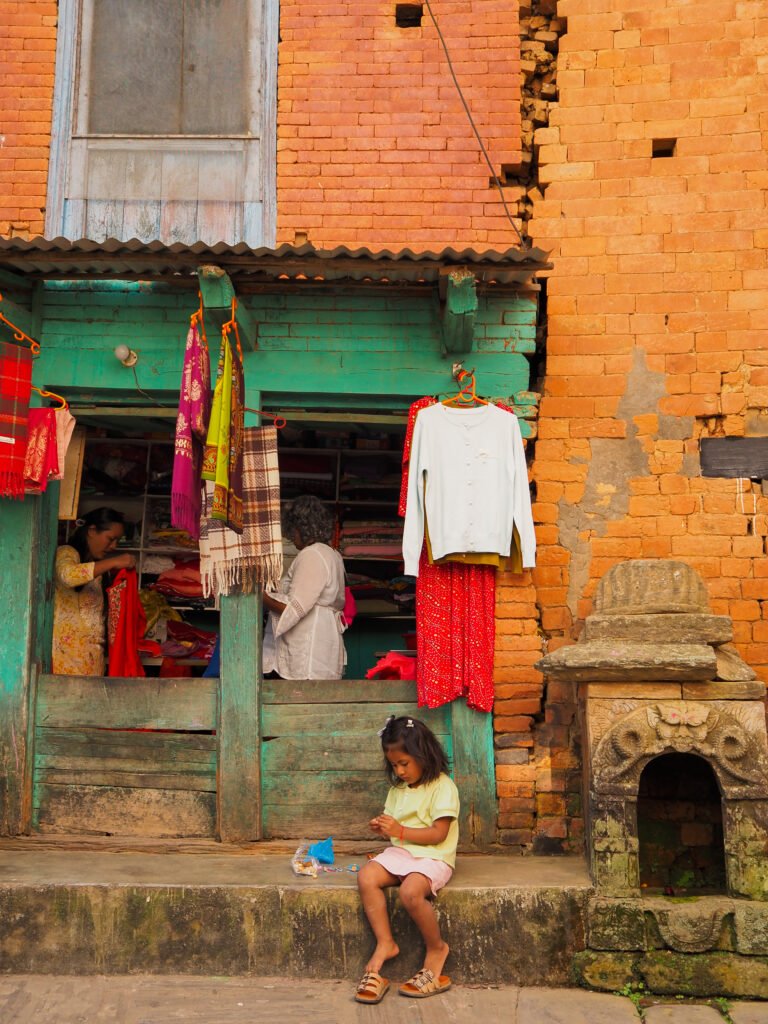
About 5 hours south of Pokhara lies the town of Tansen, which oversees a bright green valley and is surrounded by tall mountains like the one it stands on. Despite its size, walking on the streets of Tansen feels like exploring a small remote village. The centre is easy to get familiar with, there are just a few restaurants, a small quiet square and plenty of tailor shops. The inhabitants of Tansen are expert tailors and goldsmiths; inside almost every shop a man or a woman is busy sewing a dress or holding a flame to melt precious metal into detailed jewellery moulds.
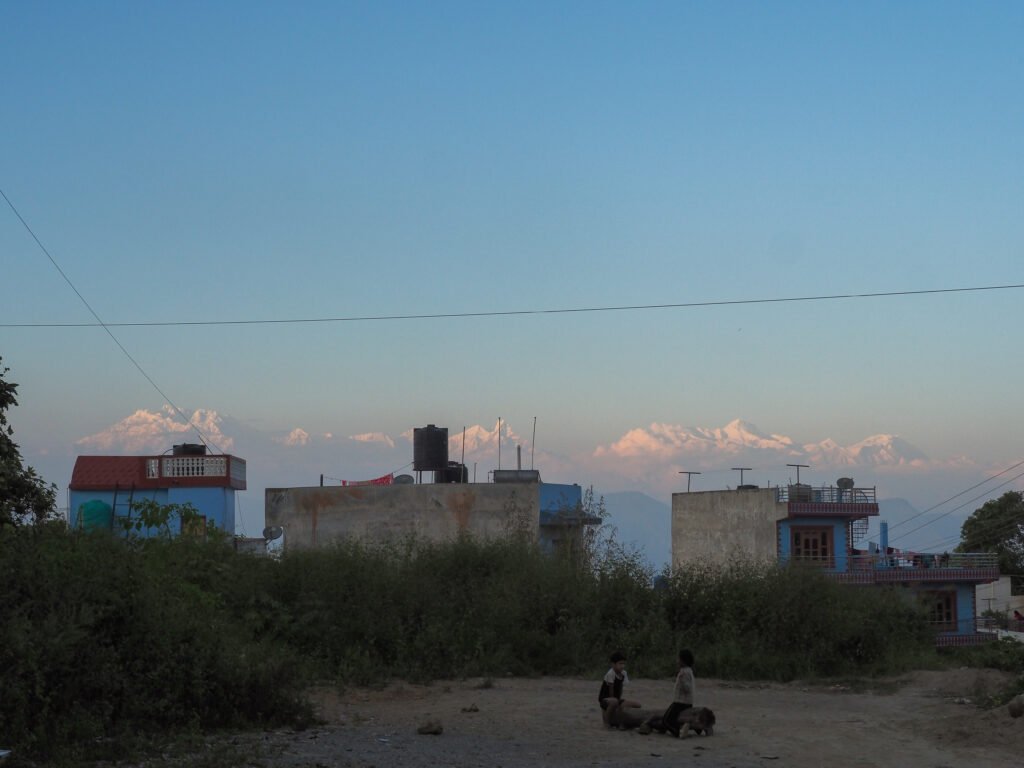
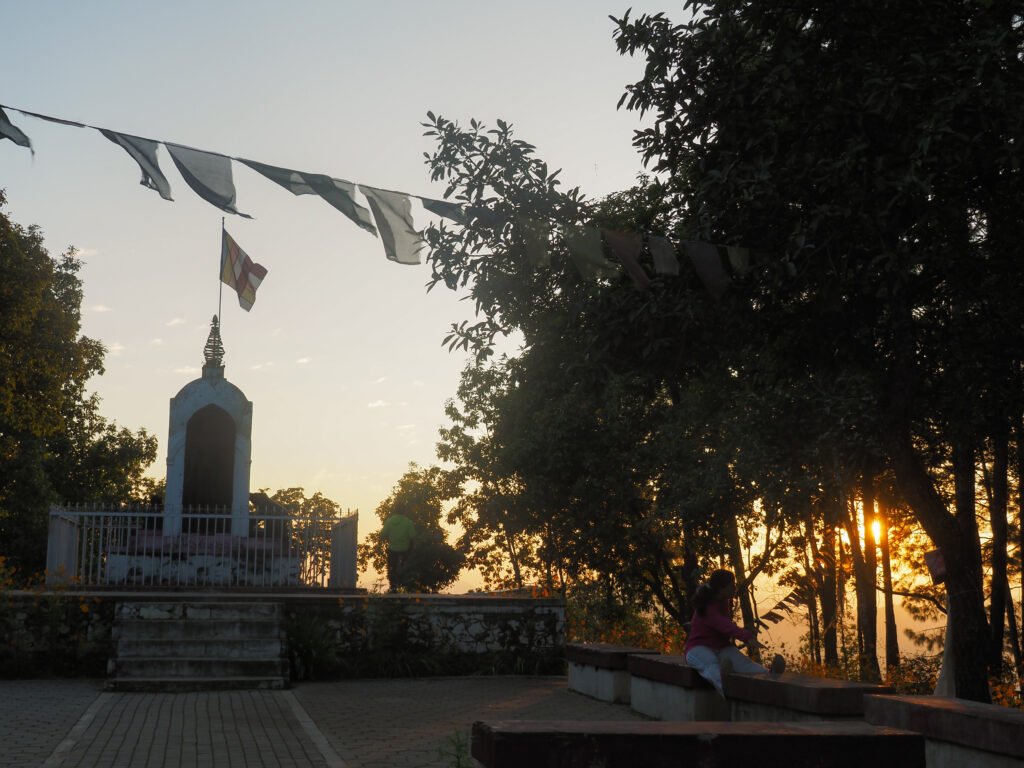
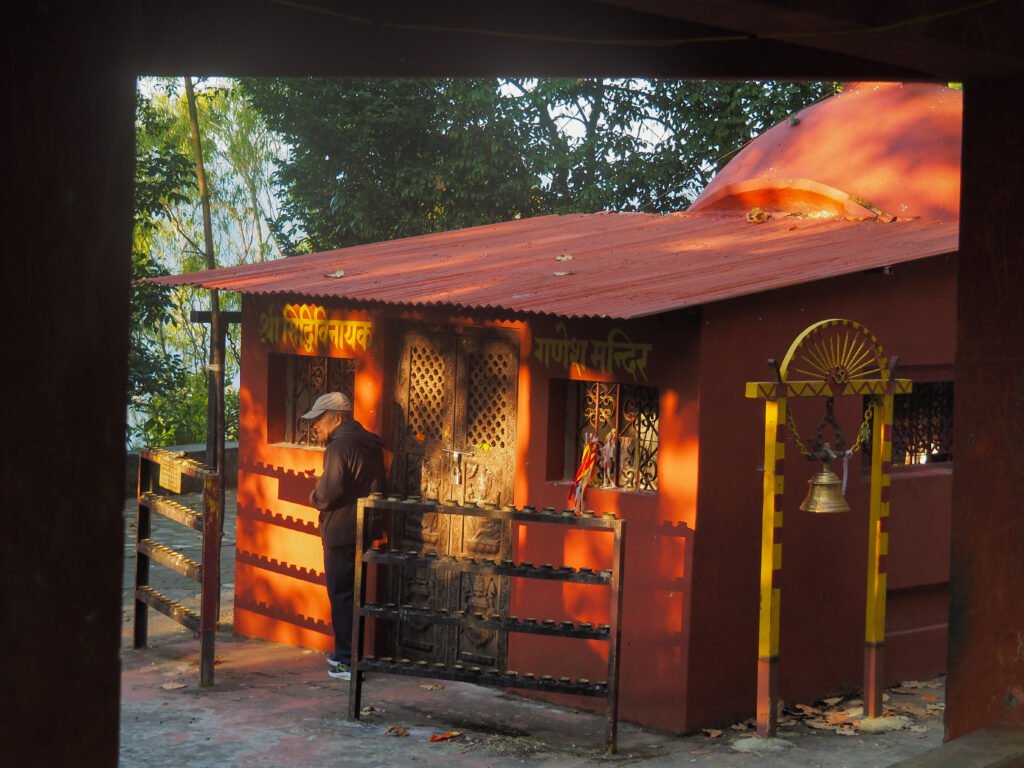
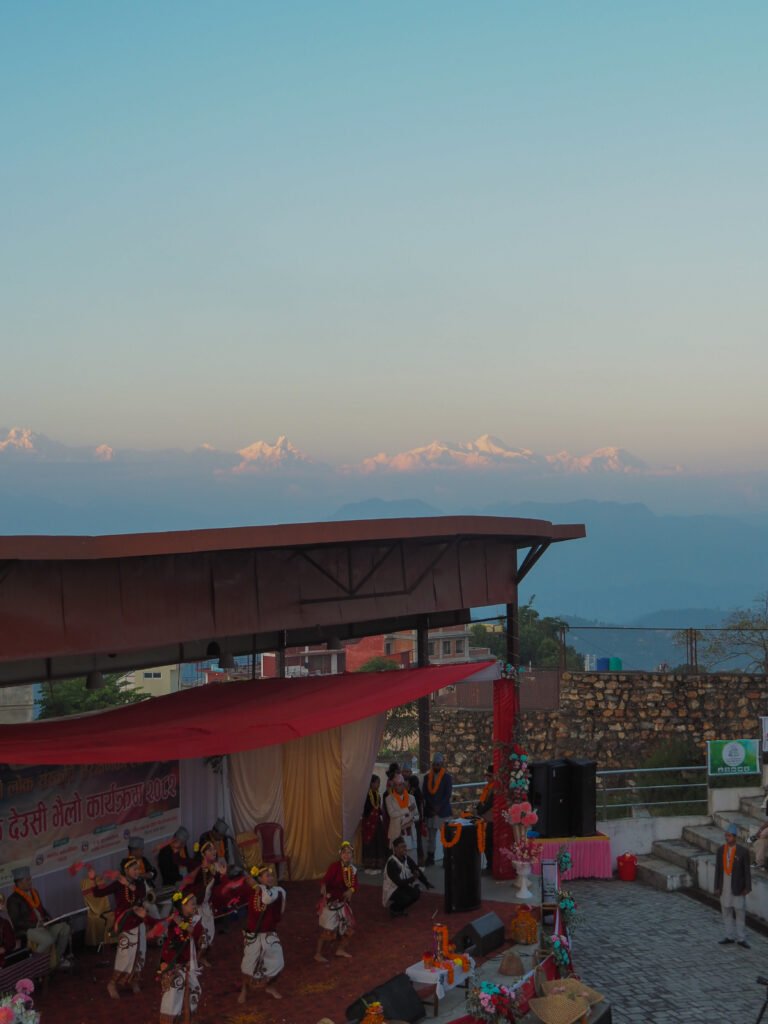
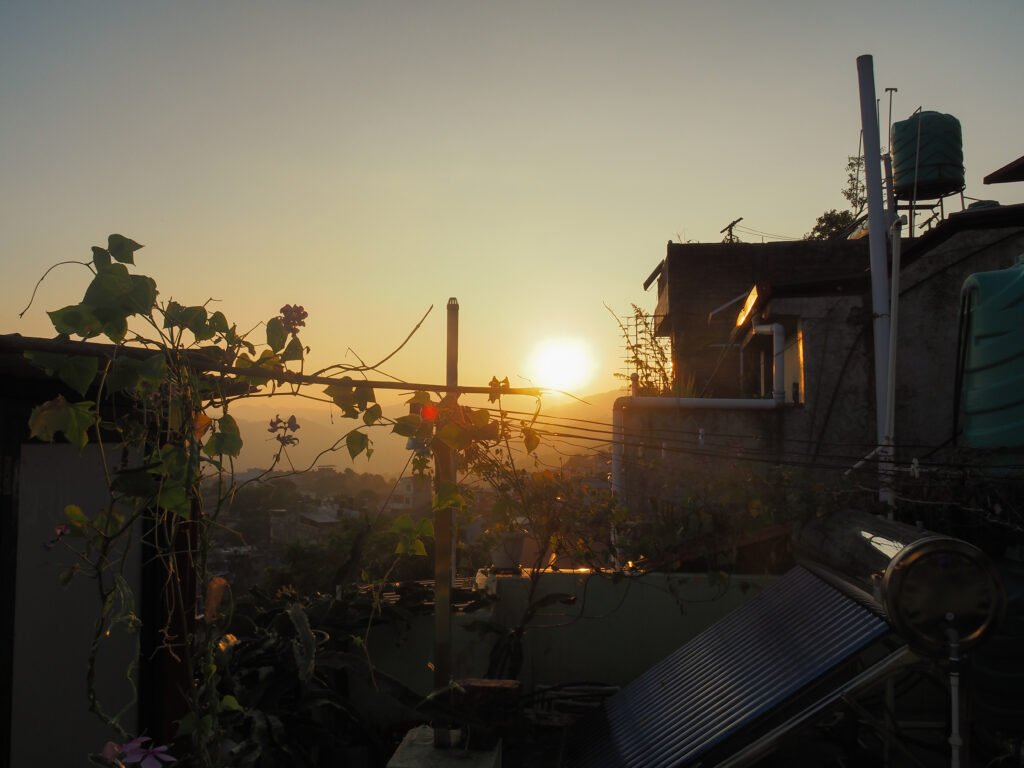
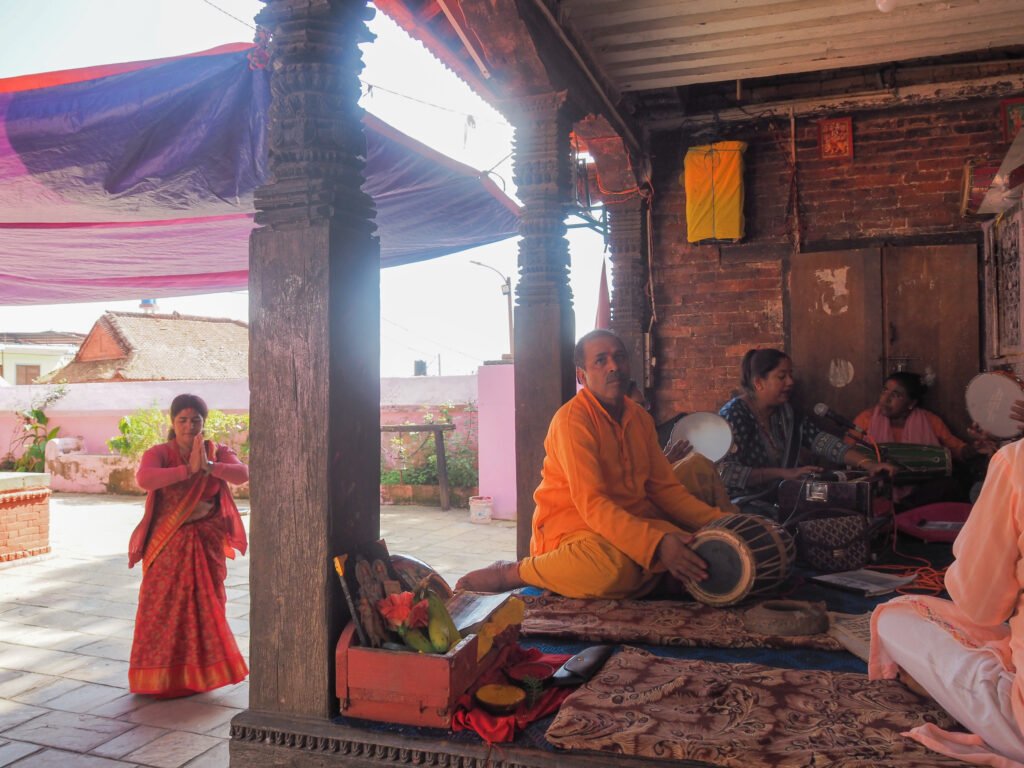
The entire town wakes up at dawn, with many climbing the steep steps that ascend the eastern side of the mountain above, and some exercising at the foot of a silent Buddha statue. Viewing the sunrise from the top is a daily ritual here. The quiet daily life in Tansen is interrupted only by the sound of temple bells at 5:30 in the morning and evening.
I am basically the only tourist in the whole city, my presence doesn’t go unnoticed and it’s always met with a warm smile and some curious questions.
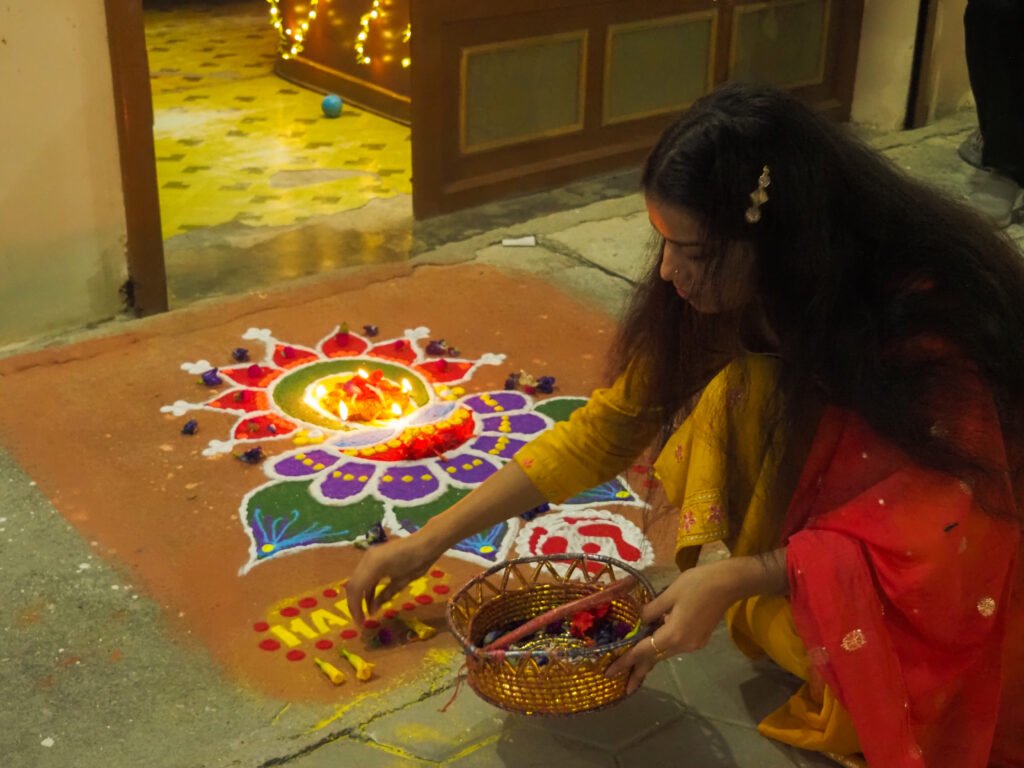
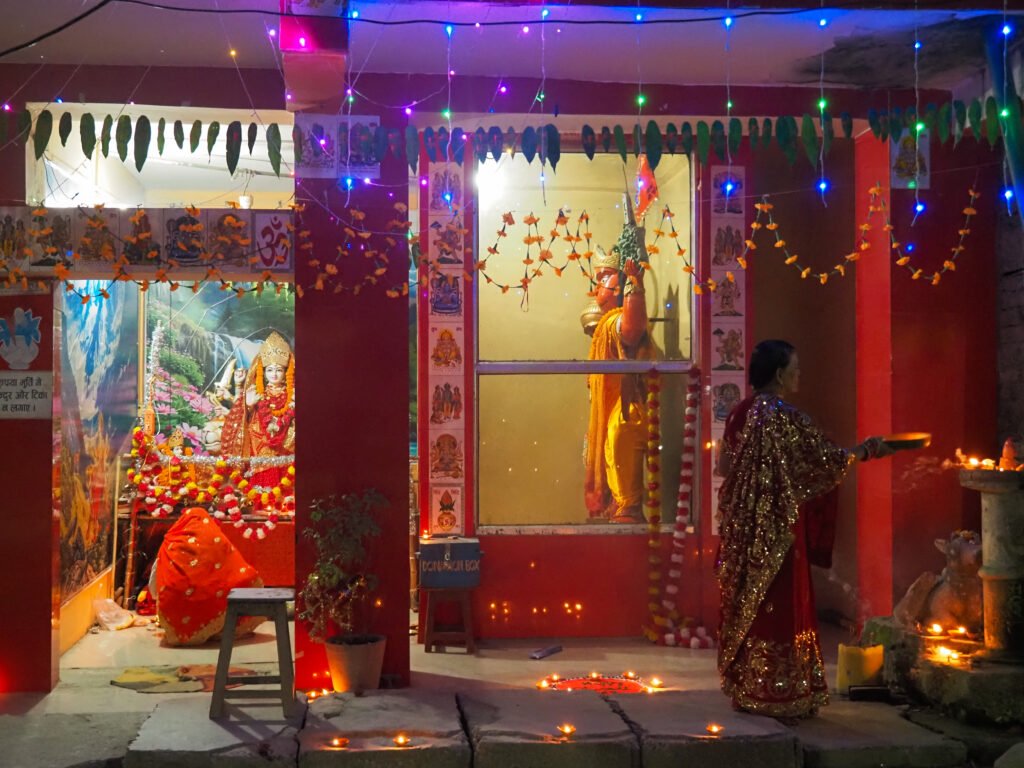
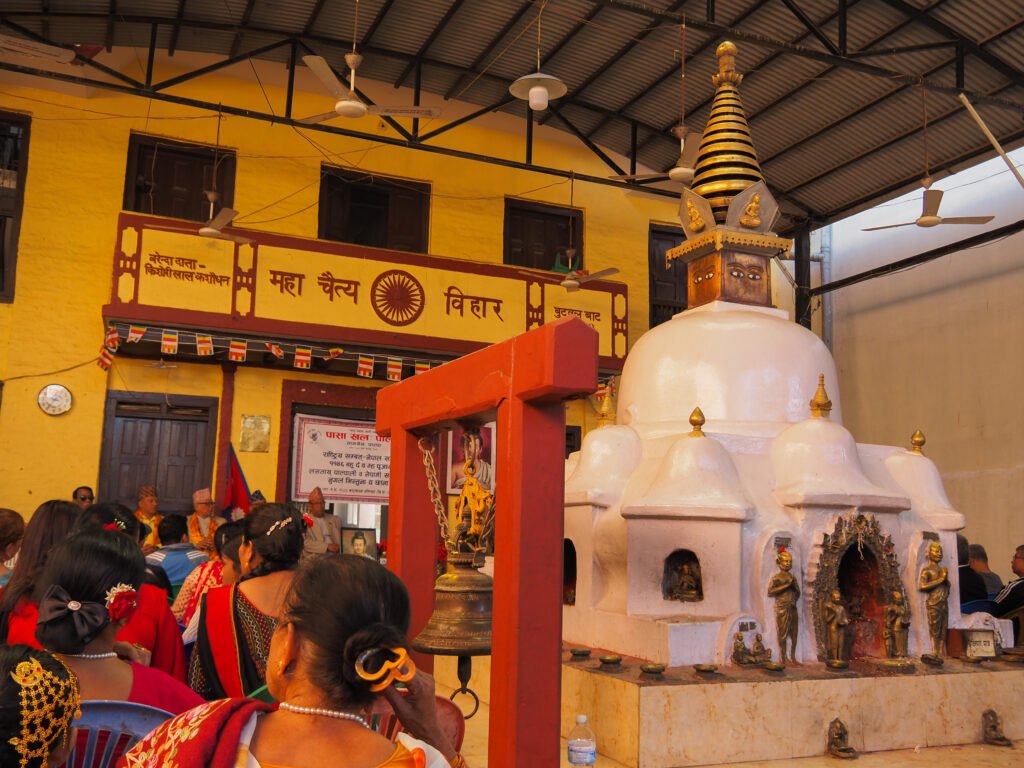
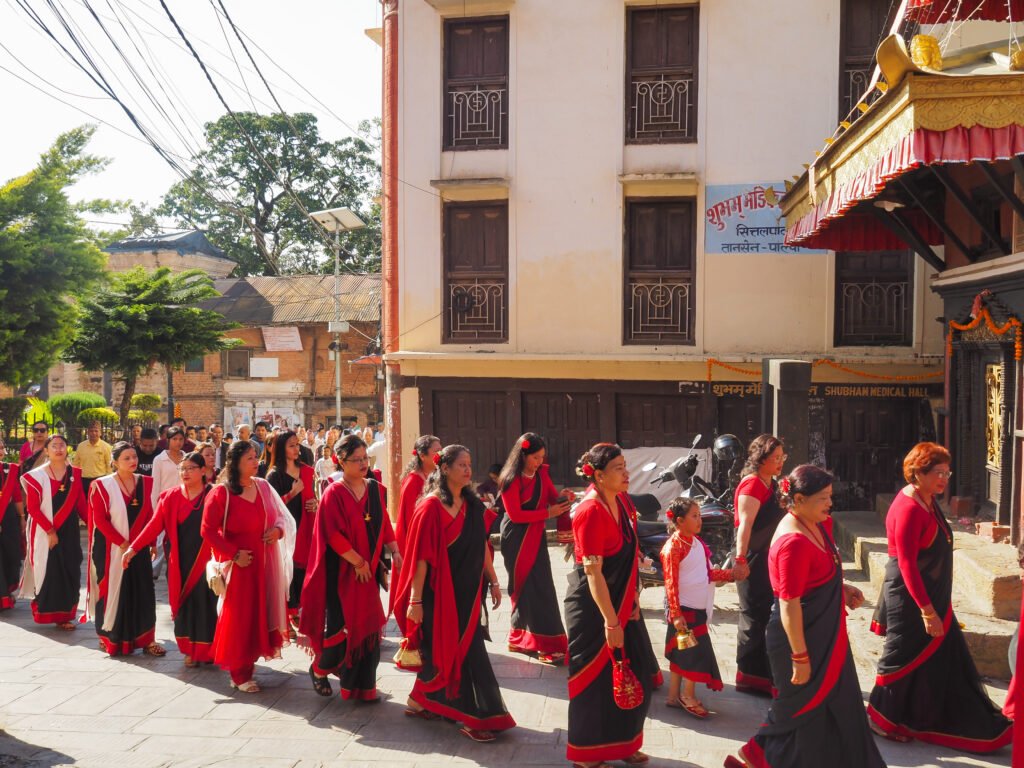
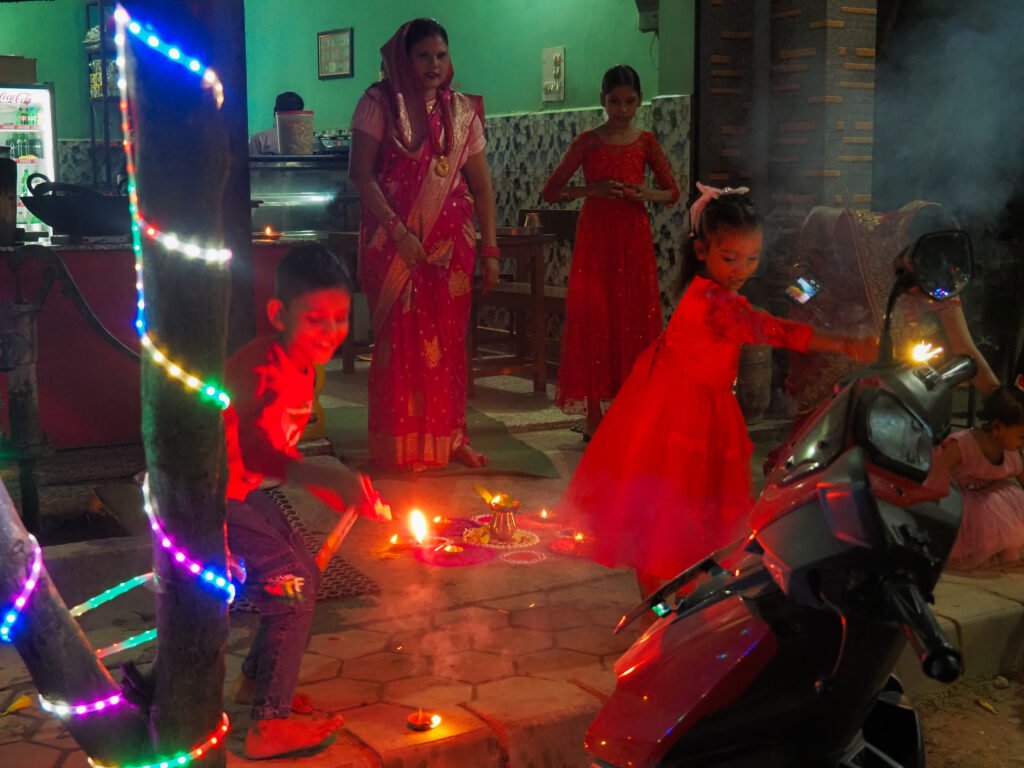
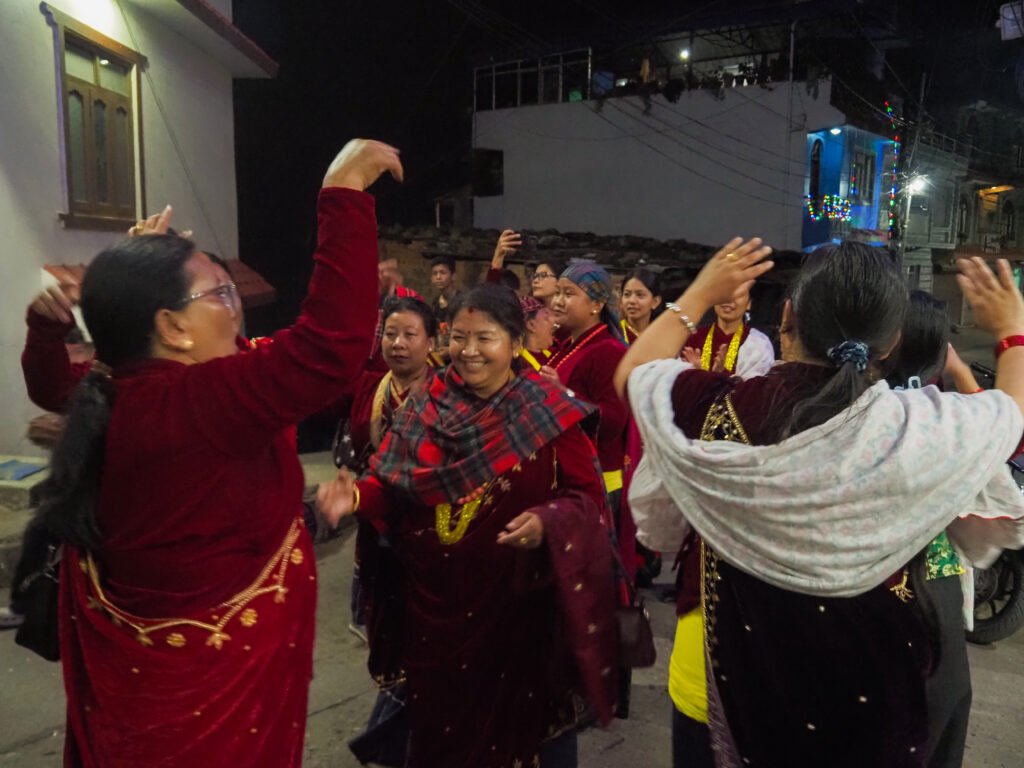
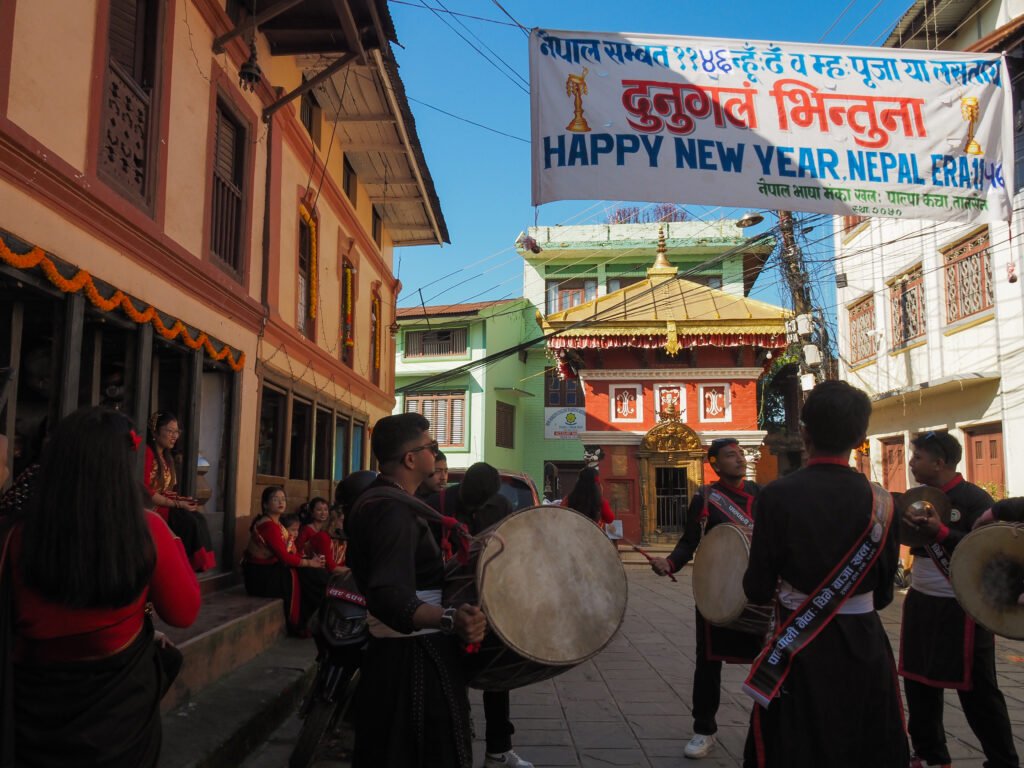
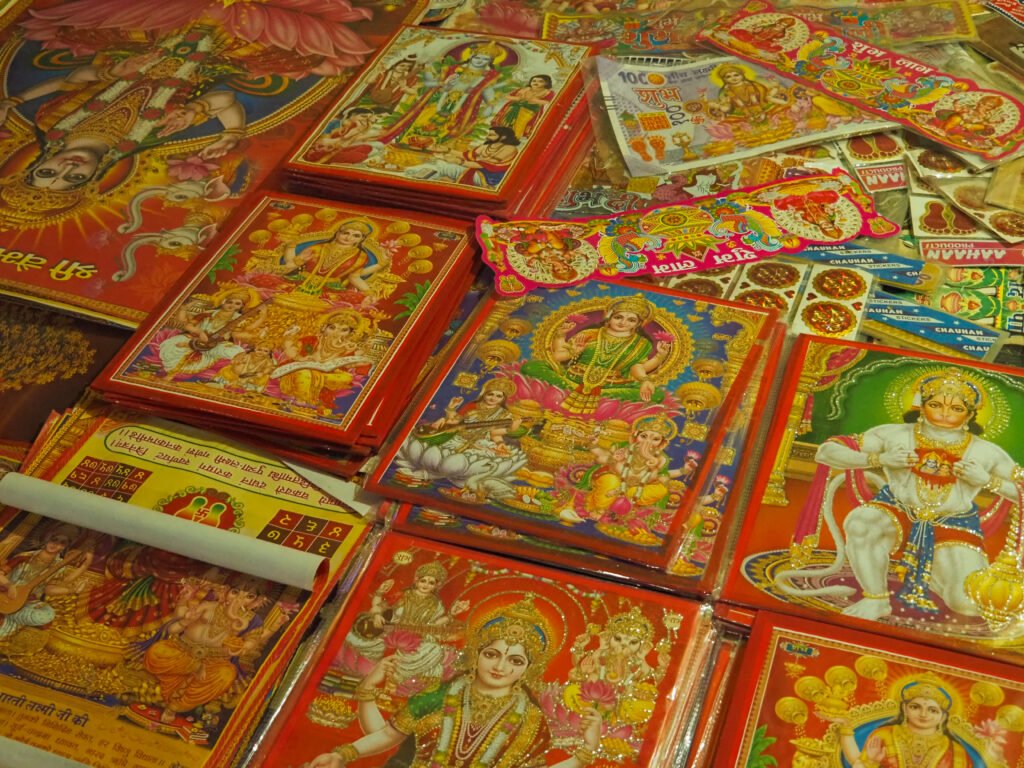
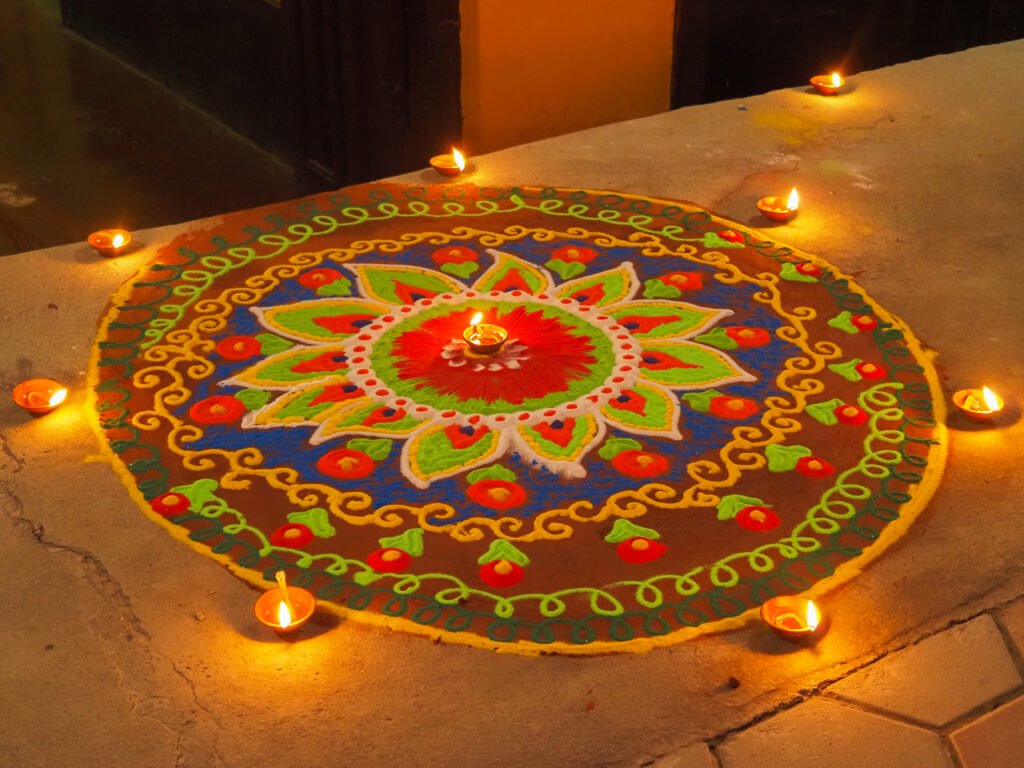
I decide to spend the festival of Tihar (Diwali) in Tansen, and every day of it feels like a blessing.
After dawn, the peaceful city comes alive to celebrate in an extraordinary burst of joy and enthusiasm. Everyone joins the streets singing and dancing to the rhythm of traditional songs, loud firecrackers are lit one after the other by the children and sometimes some colourful fireworks light up the dark sky. Every doorstep is decorated with beautiful round designs made with coloured powder for the visit of Lakshmi, the goodness of wealth and prosperity. People hang strings of coloured lights from their roofs and light up candles outside their home. Groups of young people roam the city carrying large loudspeakers playing traditional music. They stop every few hundreds meters to dance in beautiful traditional costumes, bringing energy and joy to the whole town.
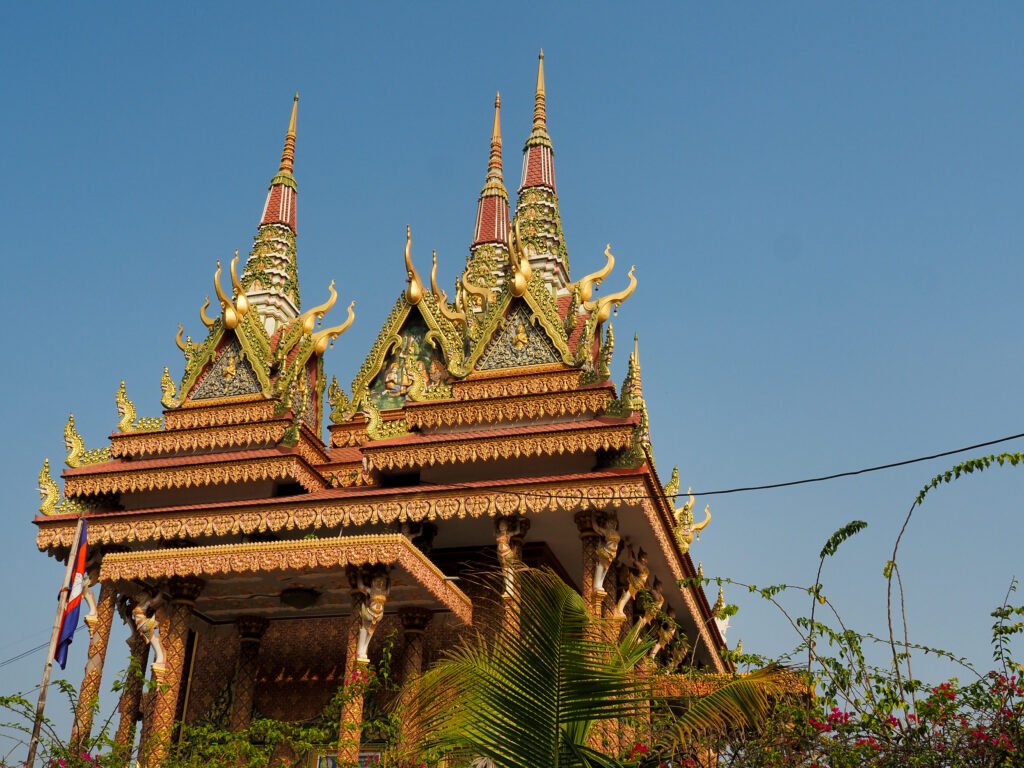
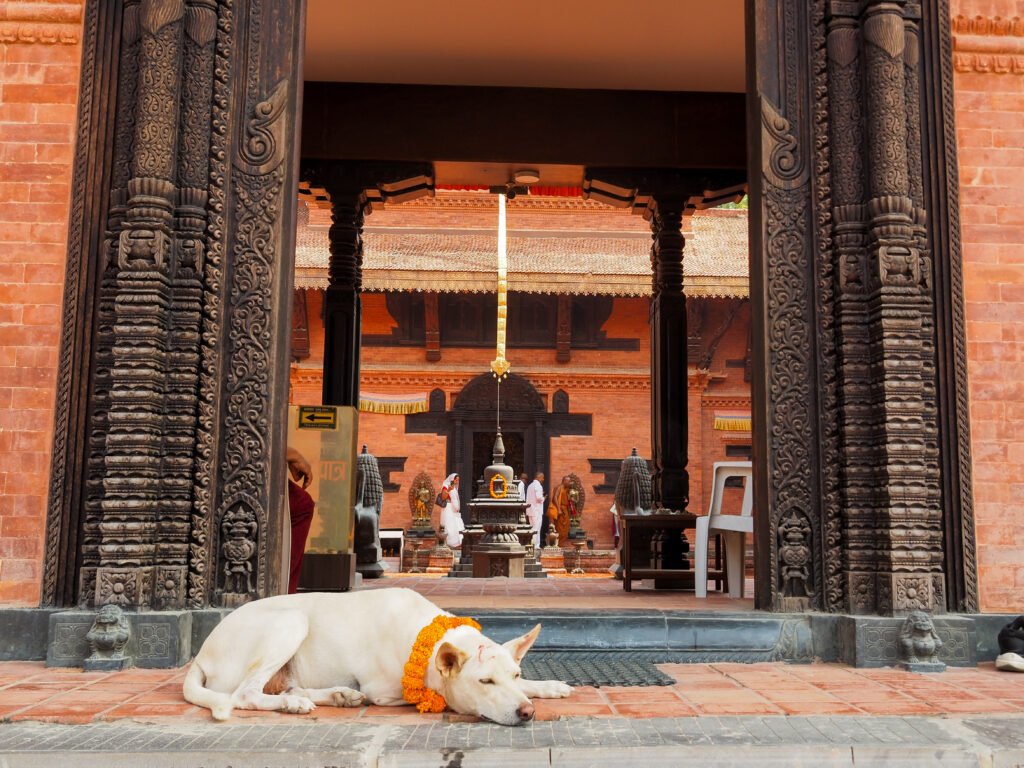
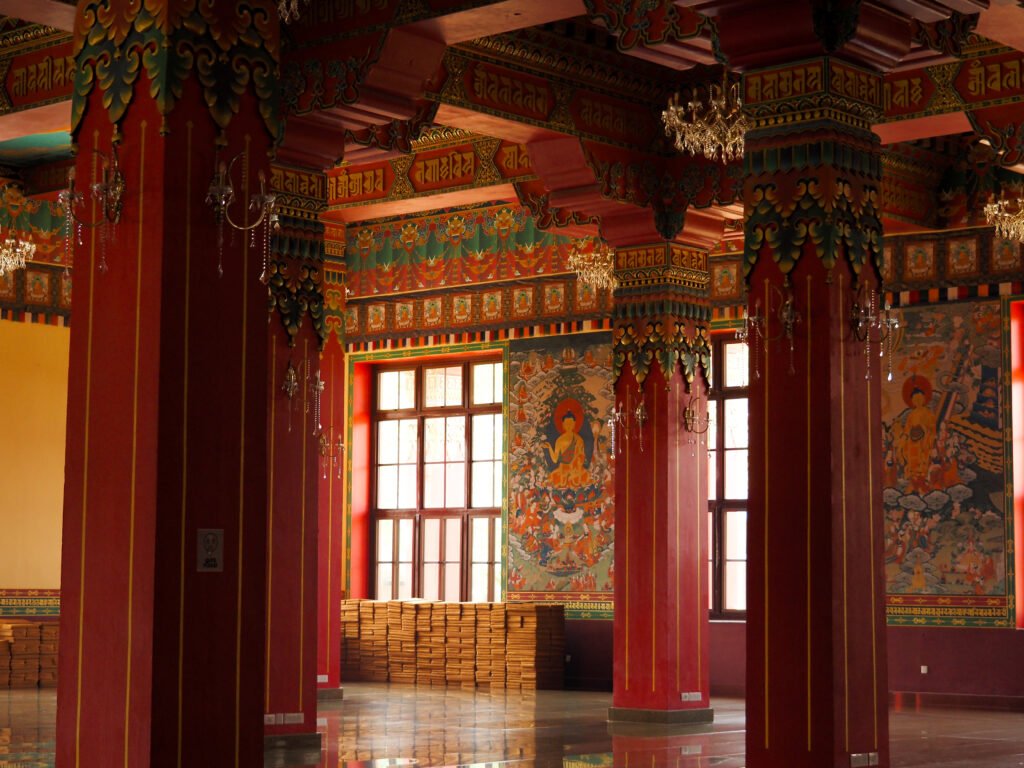
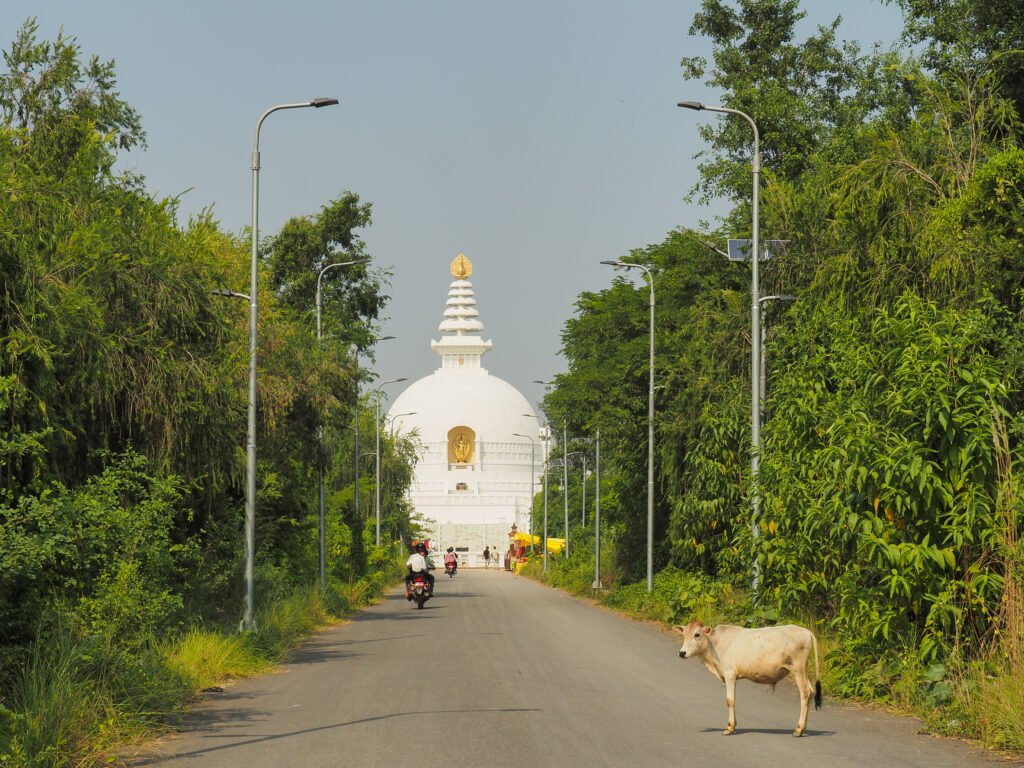
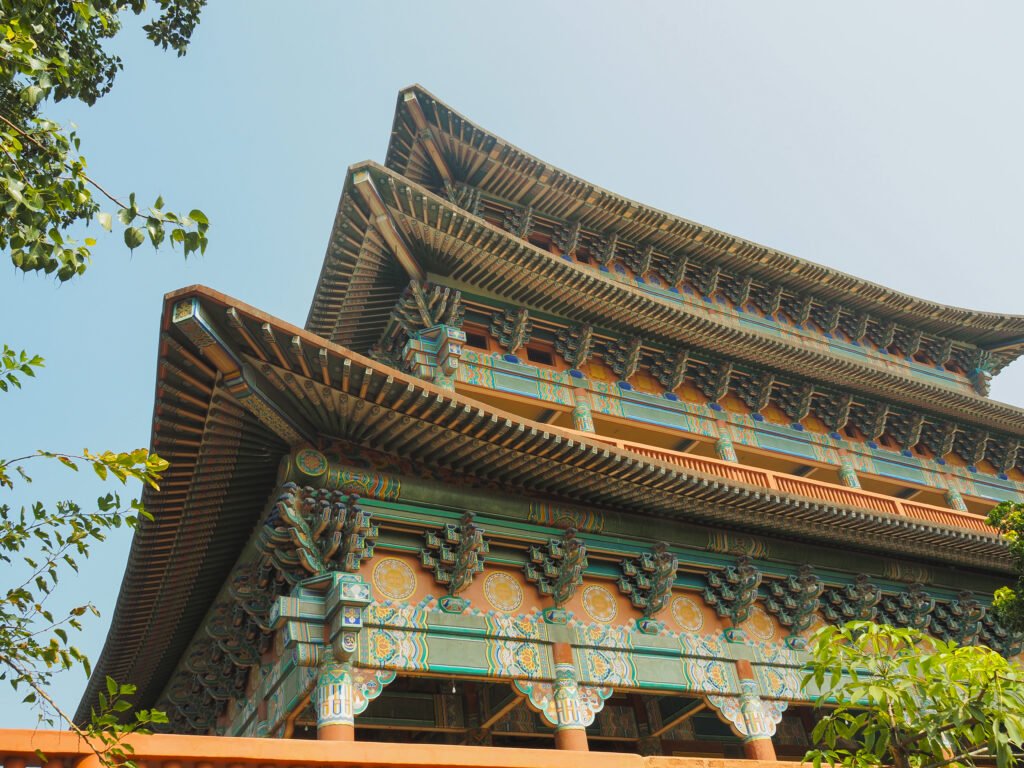
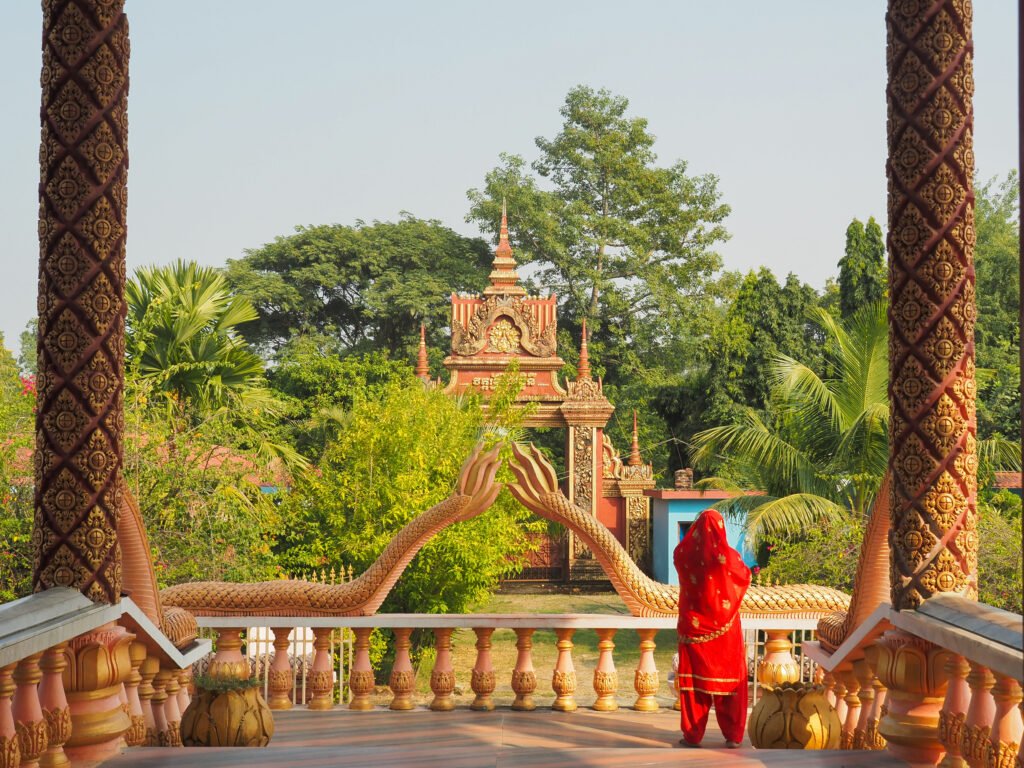
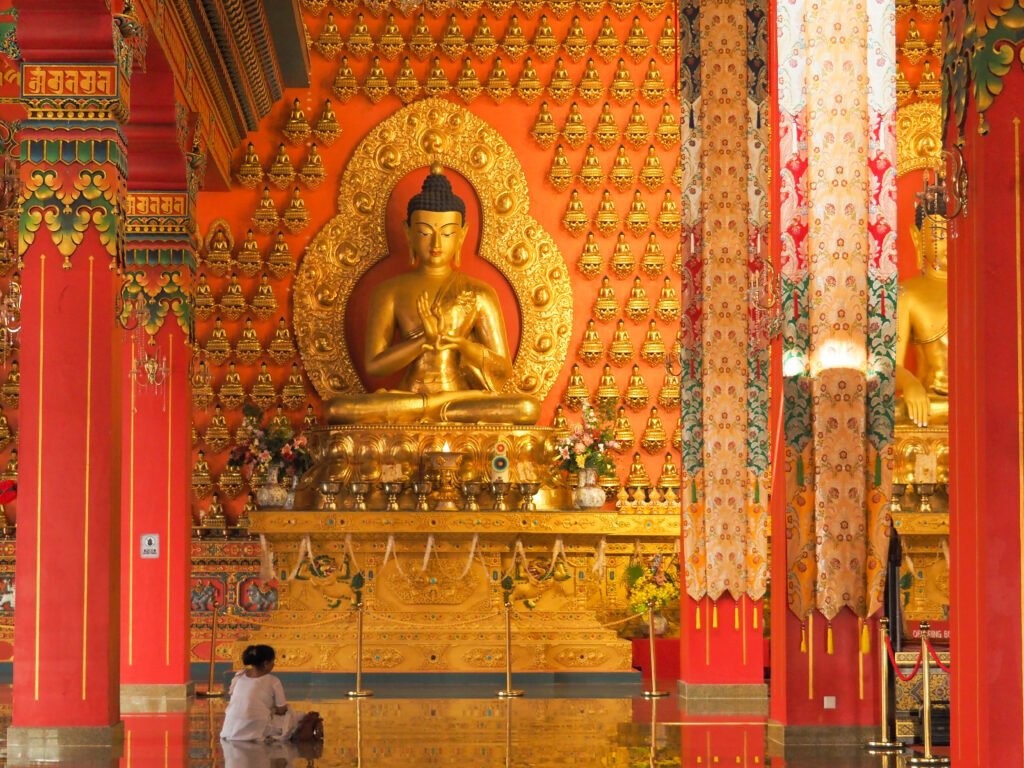
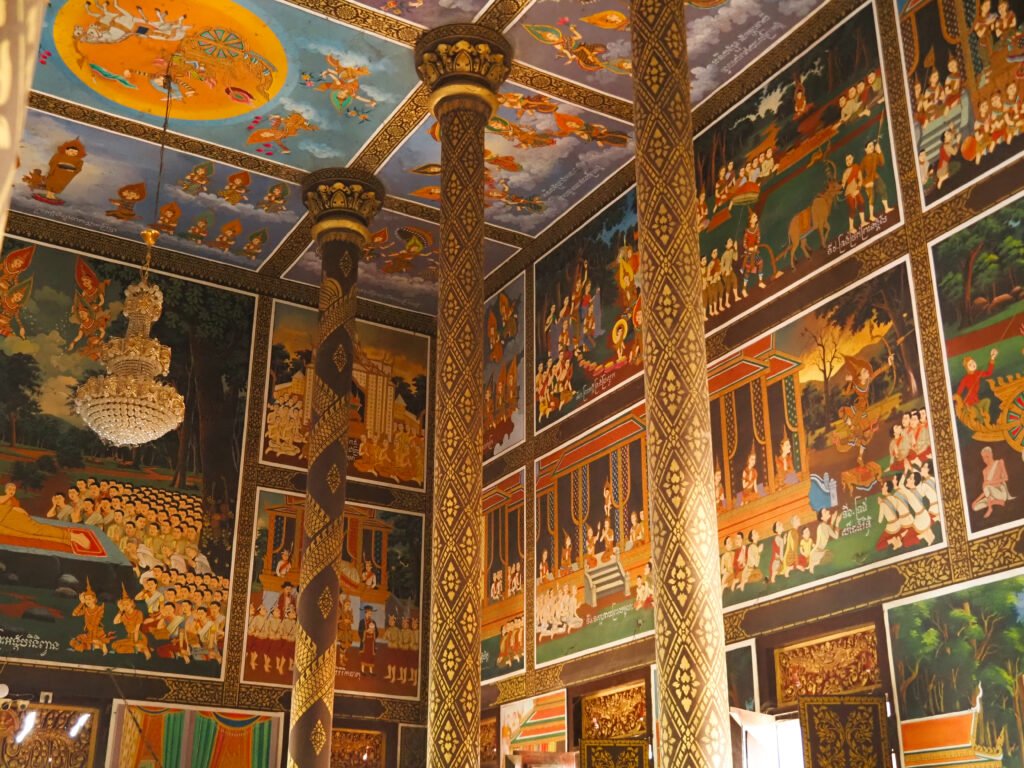
Sitting at the southern border of Nepal, Lumbini, or at least Lumbini Bazaar, consists of just a couple of busy streets that start from gate 4 and 5 of a big temple complex. Exploring the whole site can take up the whole day and renting a bicycle for it will make the adventure more fun (and more practical). With more than hundred Buddhist temples and monasteries, this is the true temple hopping experience. Each temple was erected by different Buddhist communities from every side of the globe and carries the architectural features of their respective country, making the exploration feel like a visit of different Buddhist embassies from all over the world. The ones that stood up the most for me were China, Myanmar, Cambodia, Korea and the one of Drigung Kagyud Dharmaraja Foundation, but to you the final judgment.
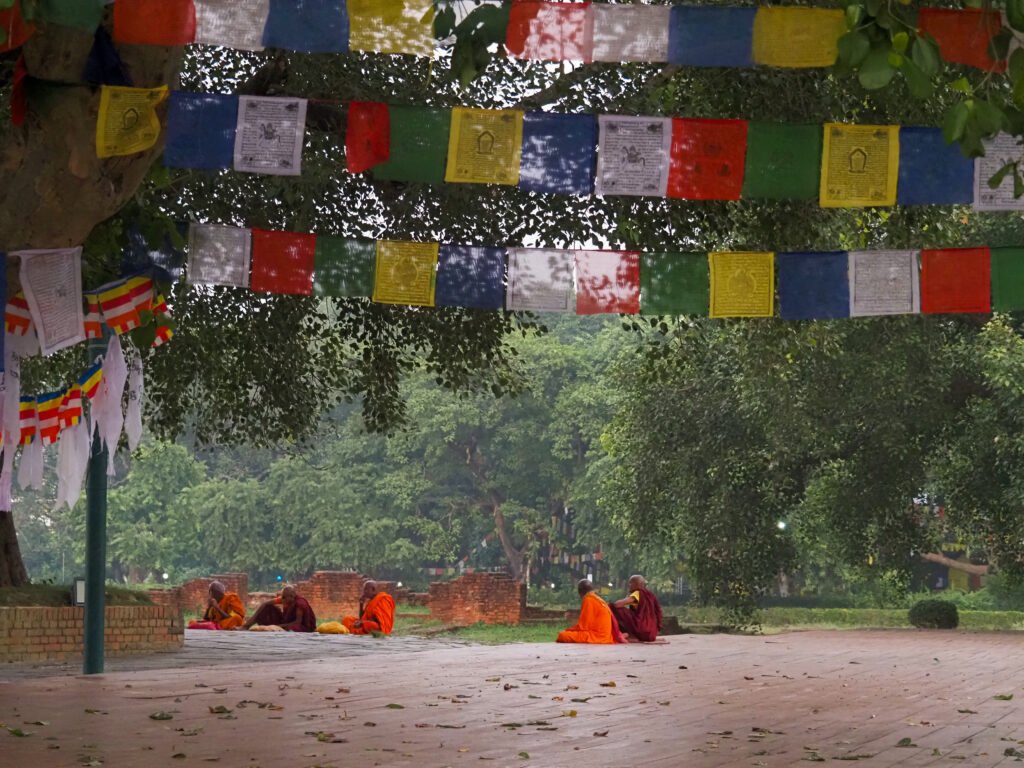
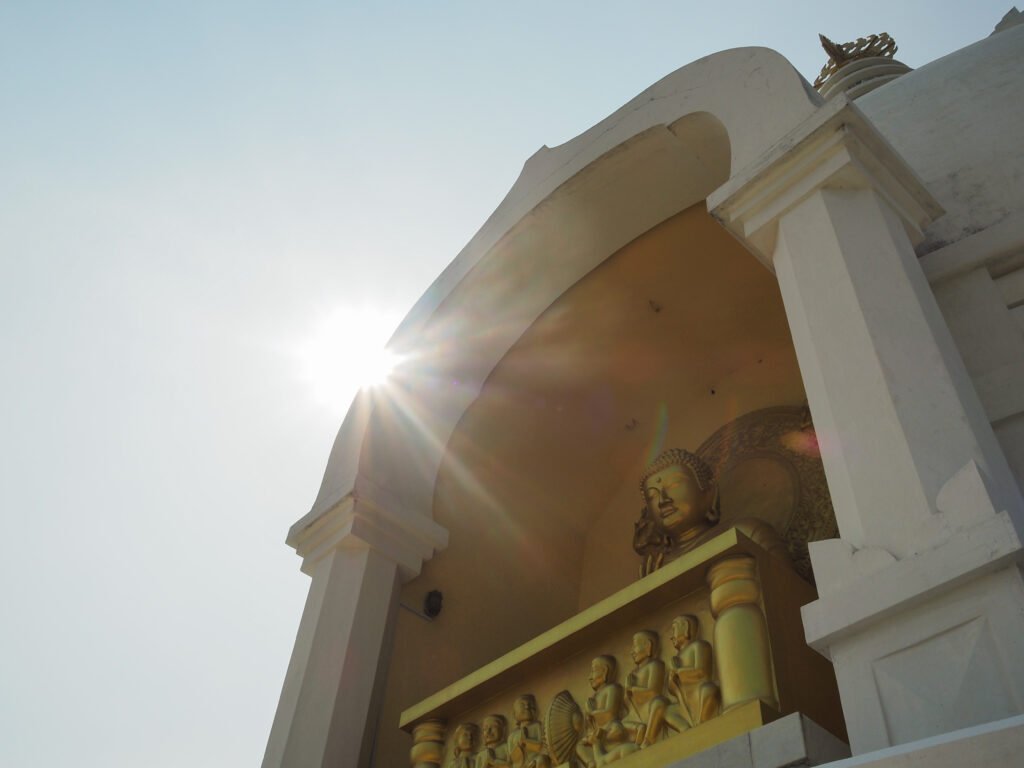
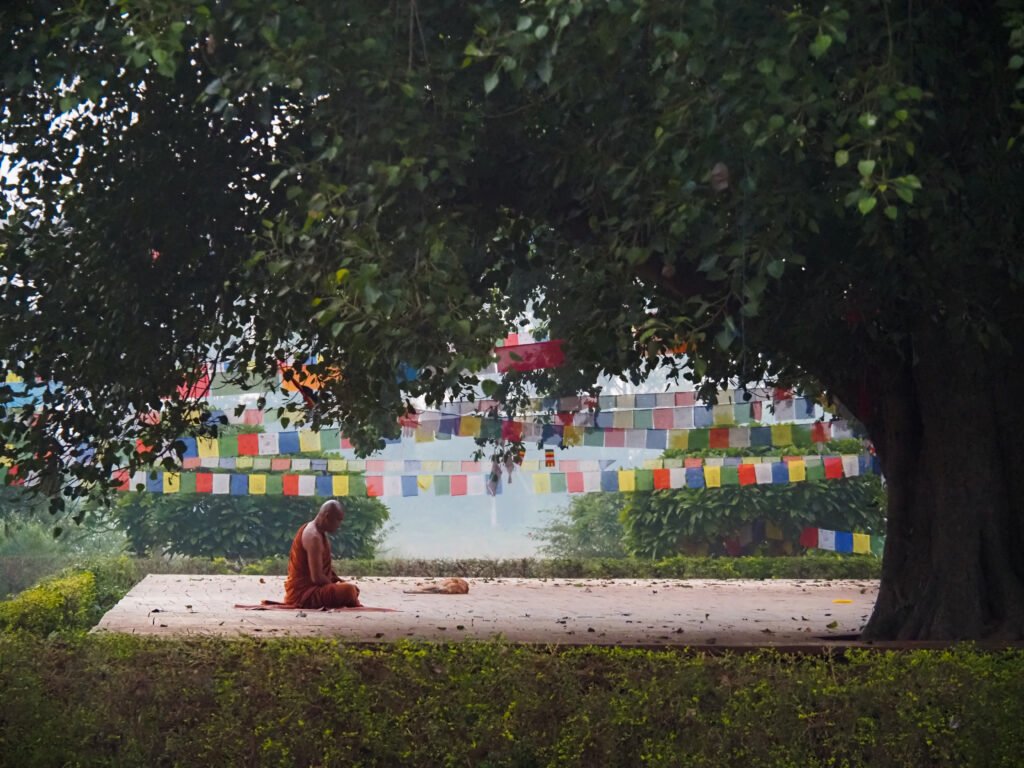
At the northern end of the park, the big white World Peace Pagoda oversees the whole site and guards the relics of the Buddha. And this is not even the most important highlight, Lumbini is world wide famous for being the birthplace of Buddha. The main attraction of the site is in fact the Maya Devi Temple. Here a memorial stone marks the exact spot where Queen Maya Devi gave birth to Siddharta Gautama in 623 BC, the man who became known as the Buddha. At dawn, groups of Buddhist devotes gather around the building to meditate, recite prayers, light up incense sticks and leave some offers. This place hosts a very strong sense of peace and spirituality. The sound of the mantras recited by the monks under big ancient trees, the scent of incense pervading the air; even for a non Buddhist person it is impossible to not embrace the strong energy of this religious site.
Some practical tips:
- Most of the temples close between 11:30/12:00 and 13:00/14:00, so this might not be the best time (or at least not the only time) to visit the site. Also, these are the warmest hours of the day and in Lumbini it can get really hot. Taking a lunch break in the shade of a tree in the garden of the World Peace Pagoda can be a good solution.
- The visit to the different temples and monasteries is free, the only one that will require payment is the Maya Devi Temple (700 Rupees). Make sure they don’t see any big camera on your neck or they will try to charge extra for it, once you are inside the site it will be fine (inside the building of the temple it is not allowed to take pictures anyway).
- Make sure you dress appropriately for the temples, shoulders and legs should be covered, and you will be required to take off your shoes at the entrance of every temple. Shoes that are easy to take off and put on again will save time and energy, but keep in mind the floor can be hot.
- Lumbini Village Lodge is a good option in terms of accommodation. The owner will be able to help you with any type of information you will need and they rent bikes for 500 rupees a day.
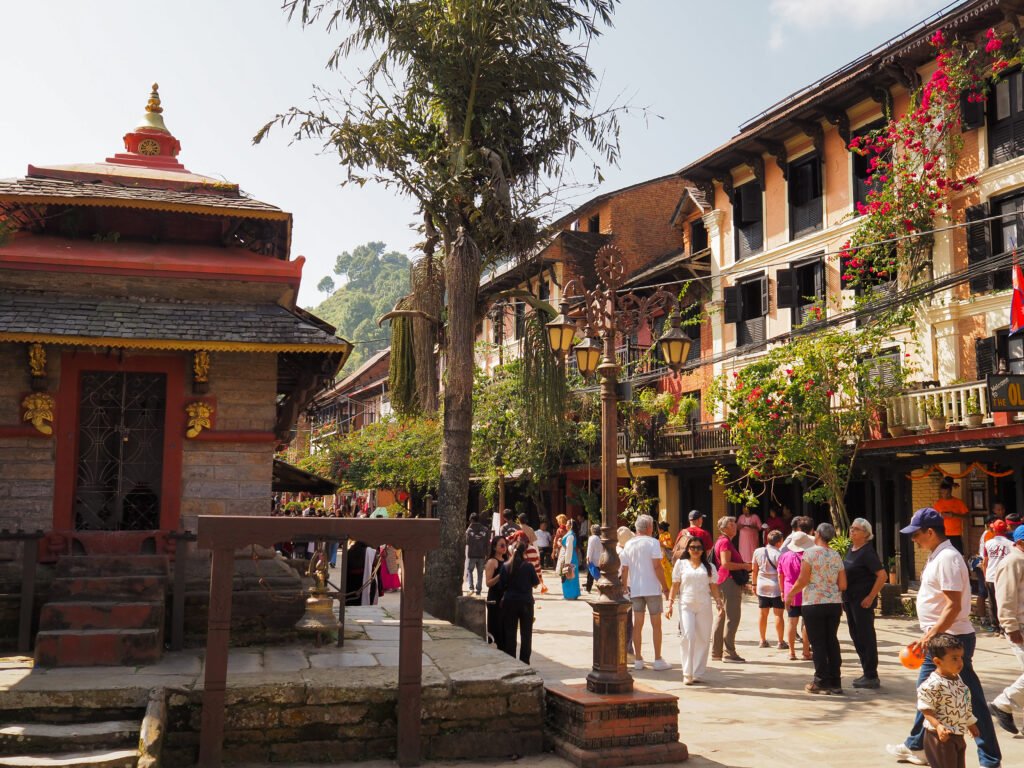
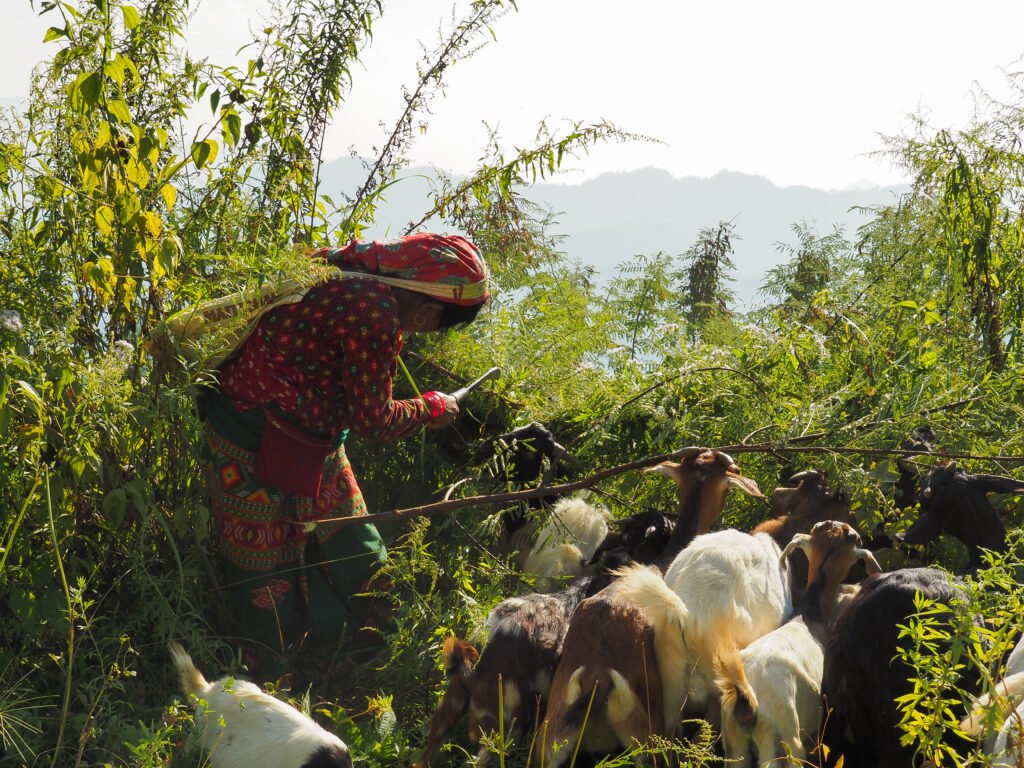
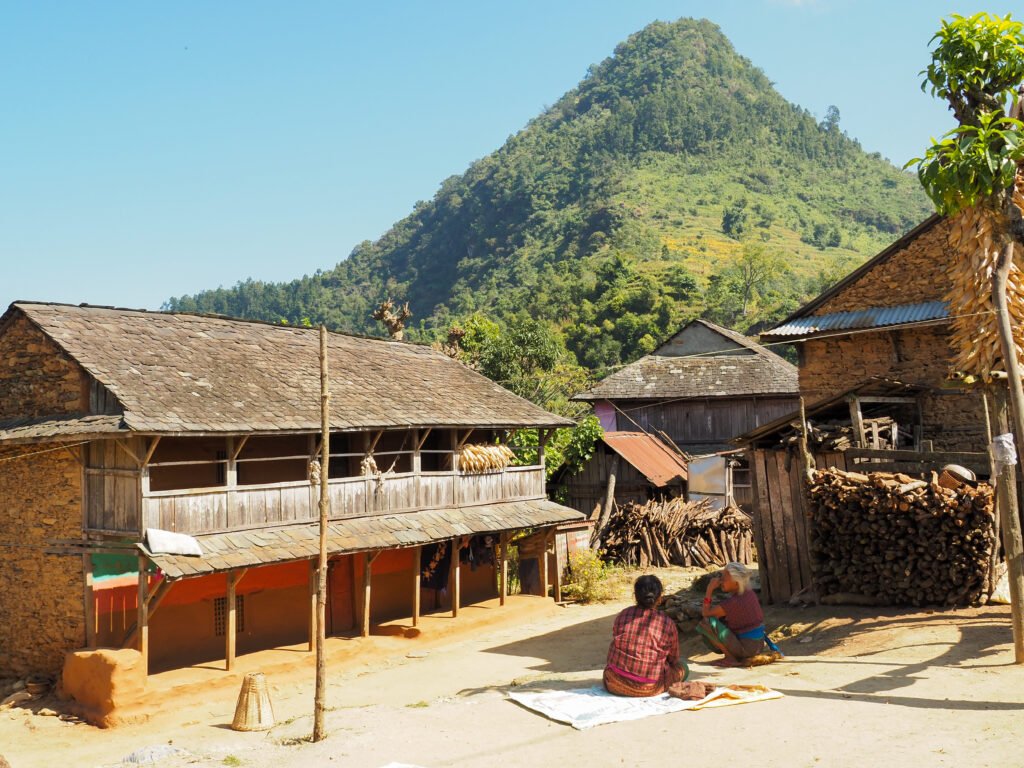
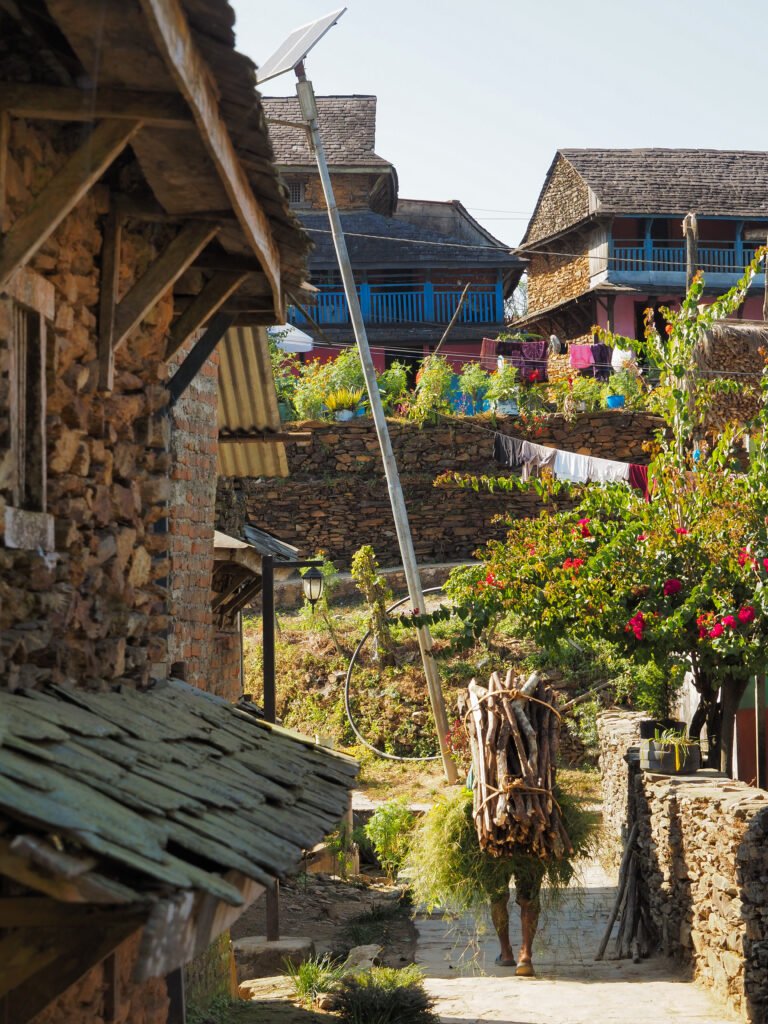
Bandipur is a lovely village sitting at the top of the of the mountain chain separating Pokhara from Kathmandu. Because of its strategic location, it is more visited than other similar villages in the area. On its cobbled main street, you will find mostly Nepalese visitors wearing rented traditional costumes and spending hours on photoshoots and Tik Toks. Despite its touristy character, the town managed to maintain an authentic charm. Most of its inhabitants are farmers or breeders, the locals sit outside playing chess, families tend to goats and buffaloes in their garden, children play in the side streets.
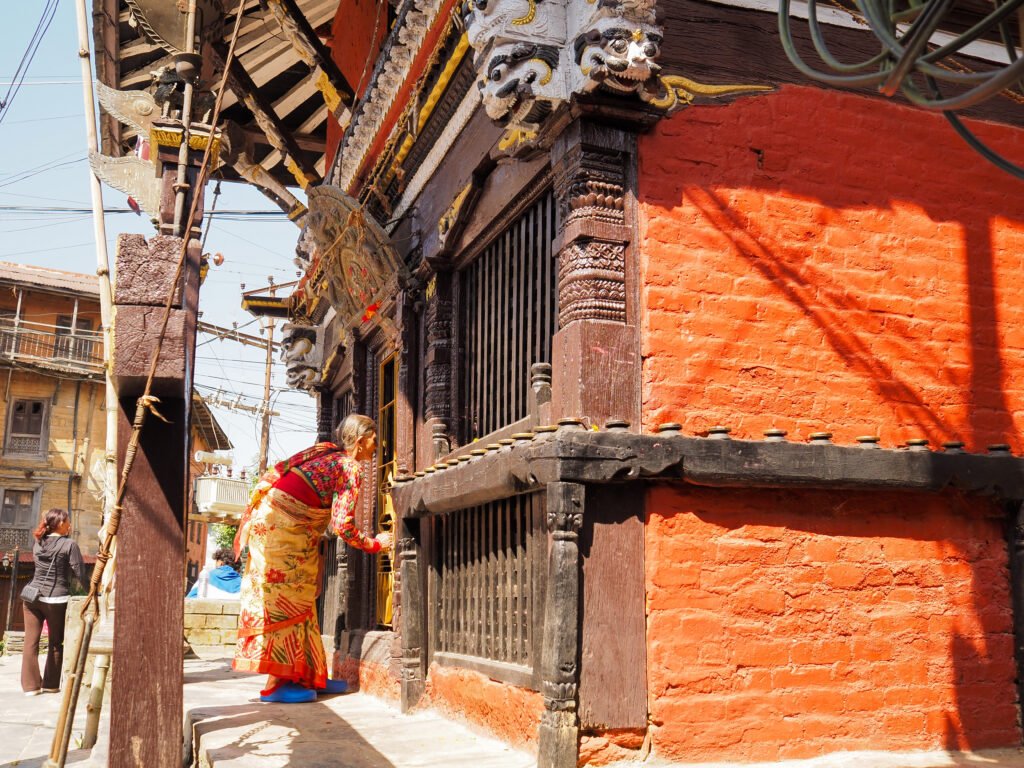
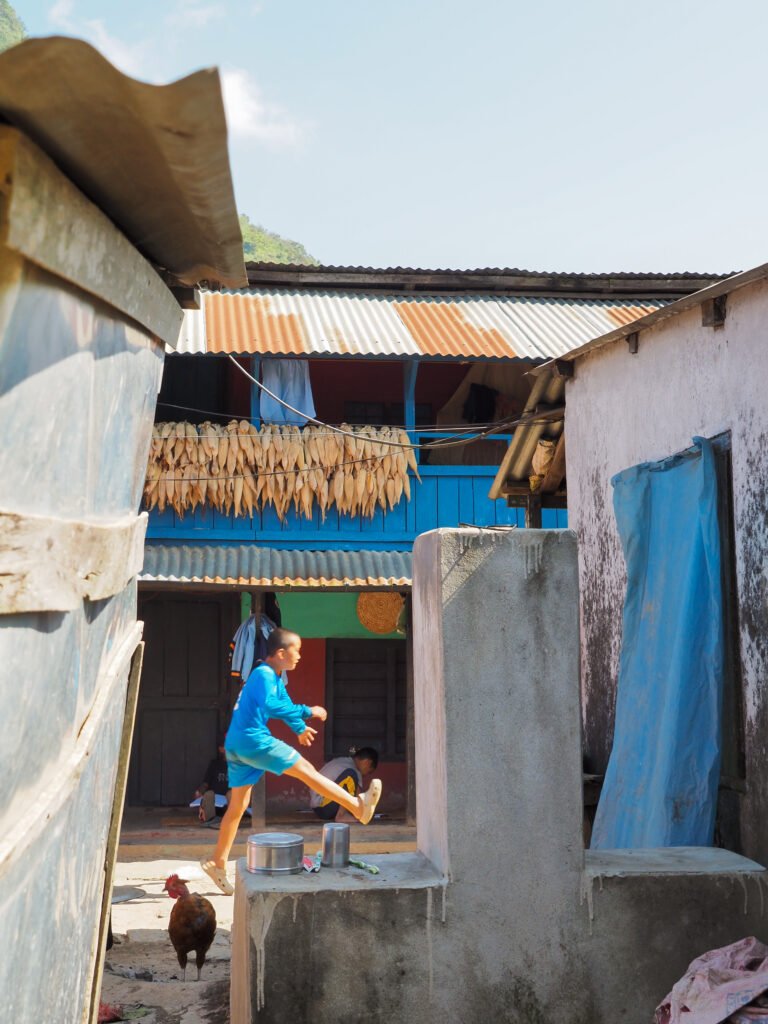
Bandipur certainly stands out for its architecture: on the main street, centuries-old traditional buildings have been converted into bars, cafés, restaurants and small guesthouses with a somewhat Western atmosphere. Here you will find beautiful looking cappuccinos and delicious mango lassis that you can drink while observing the chaotic hustle and bustle on the bazaar street.
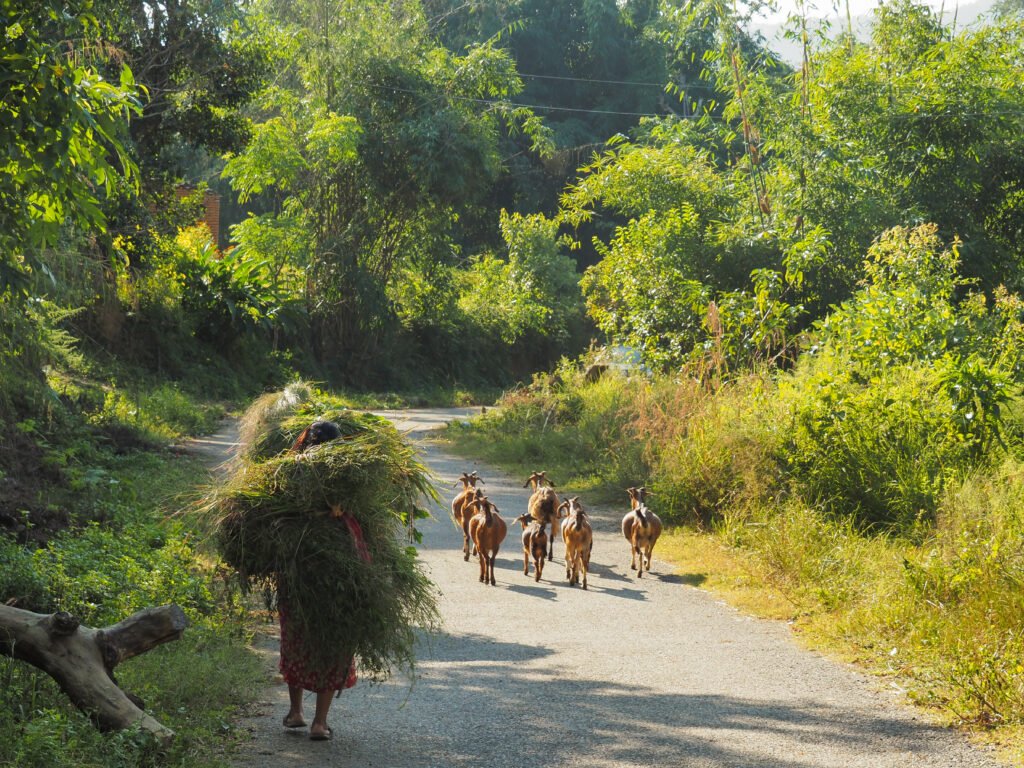
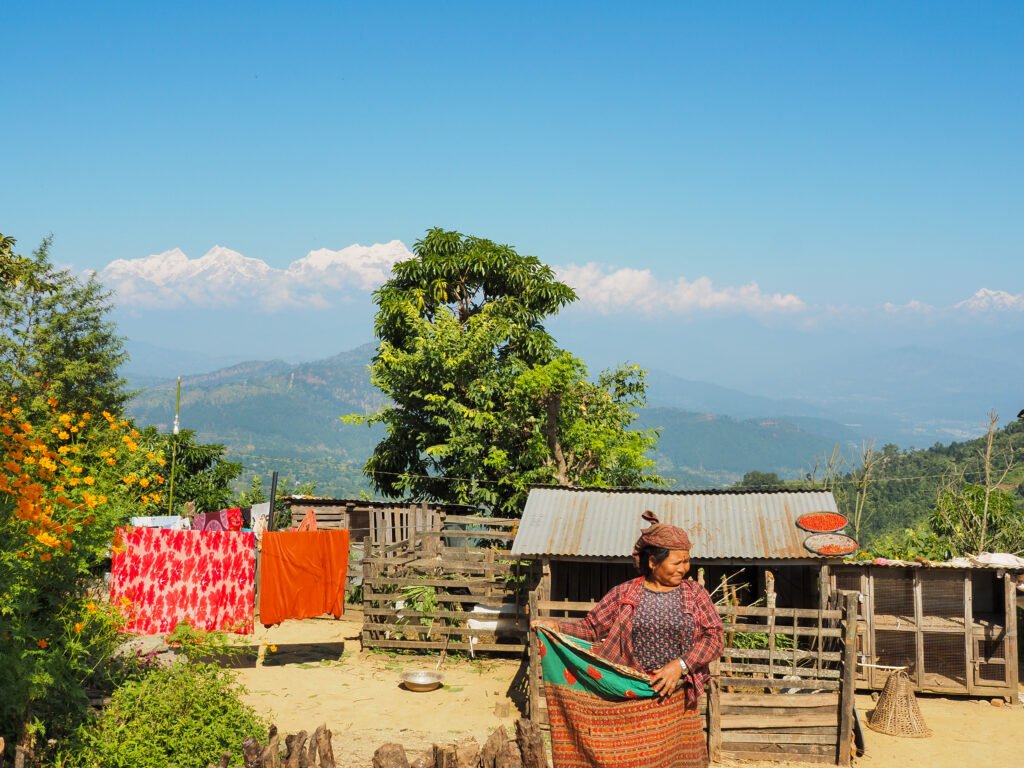
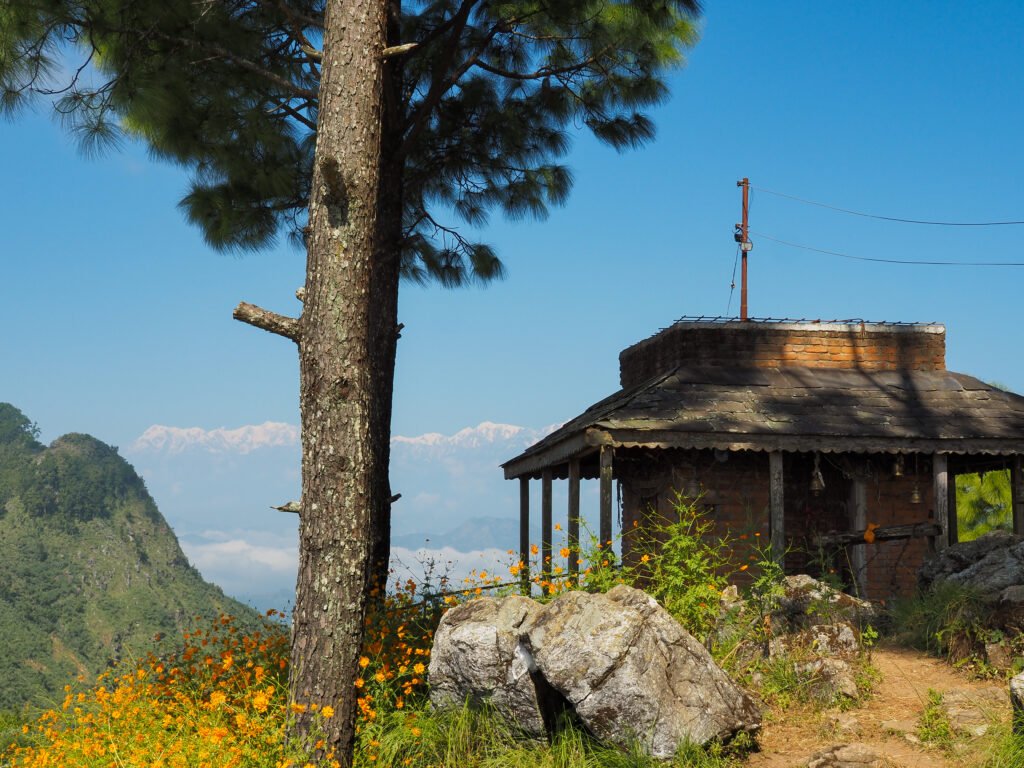
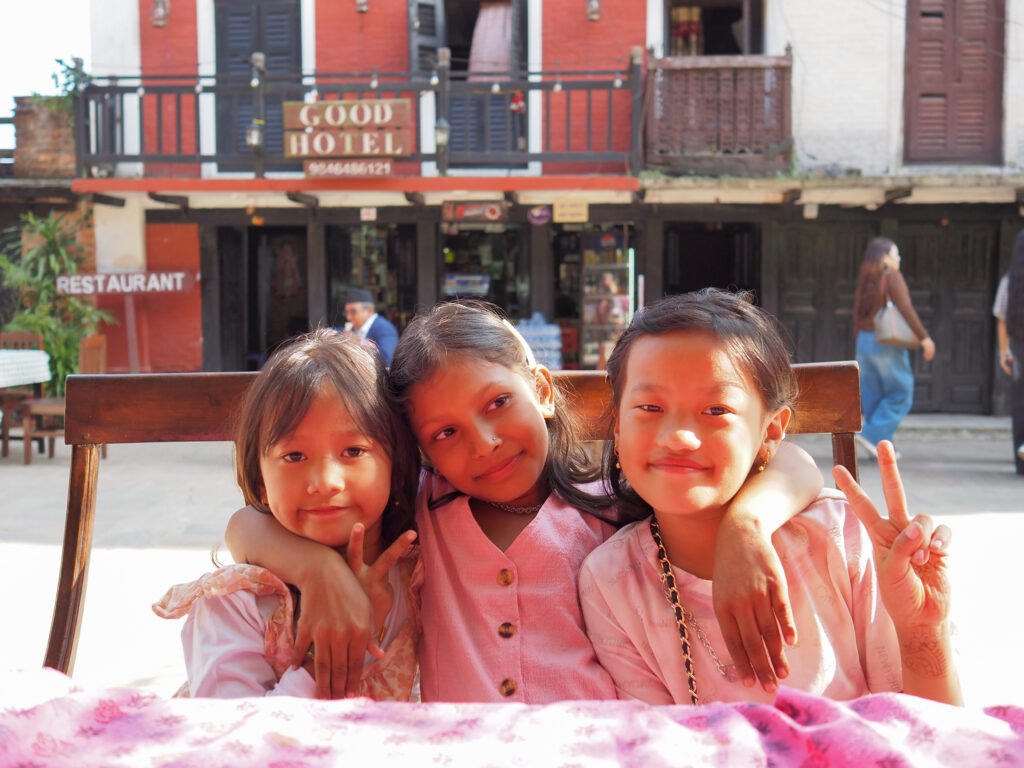
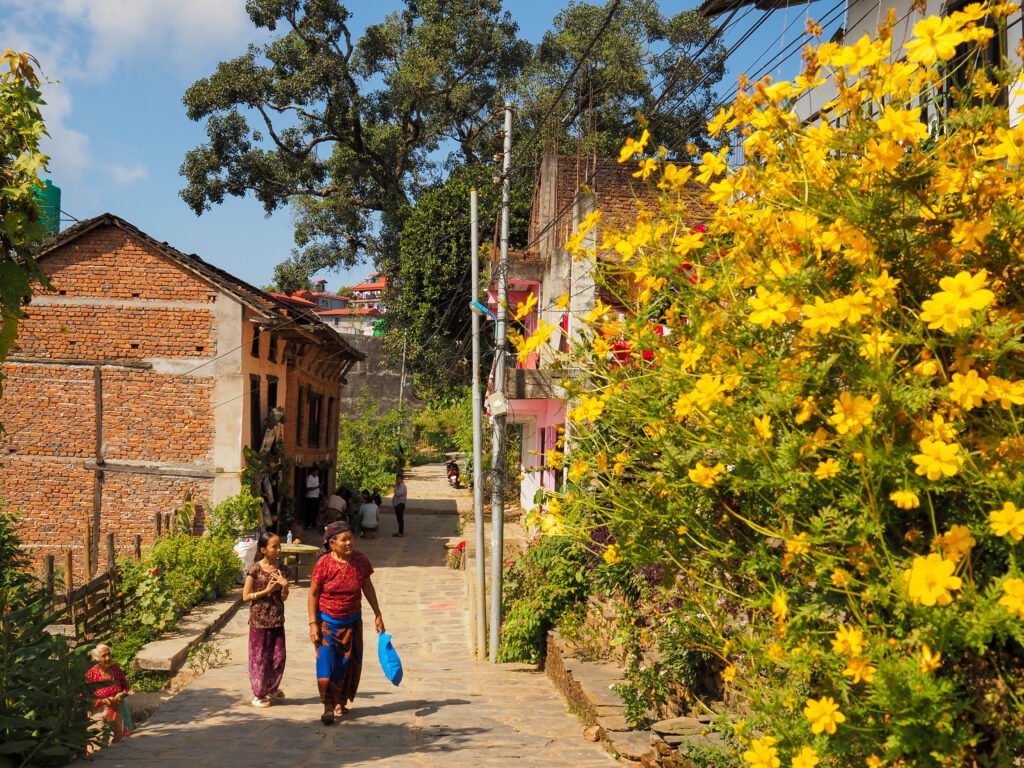
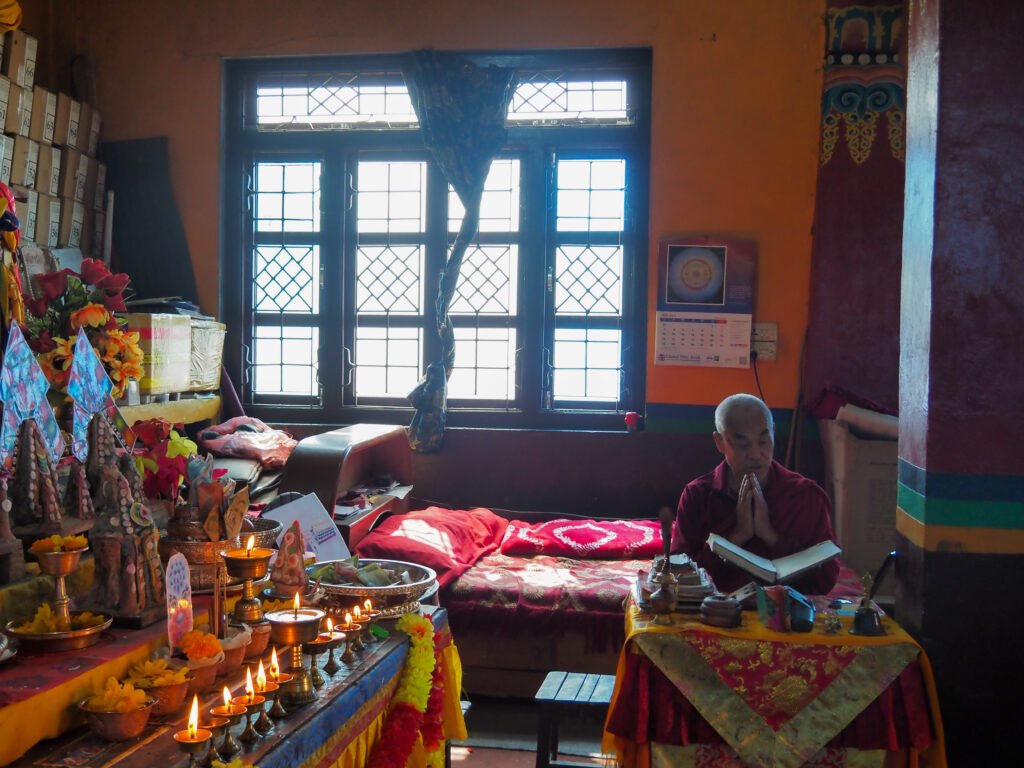
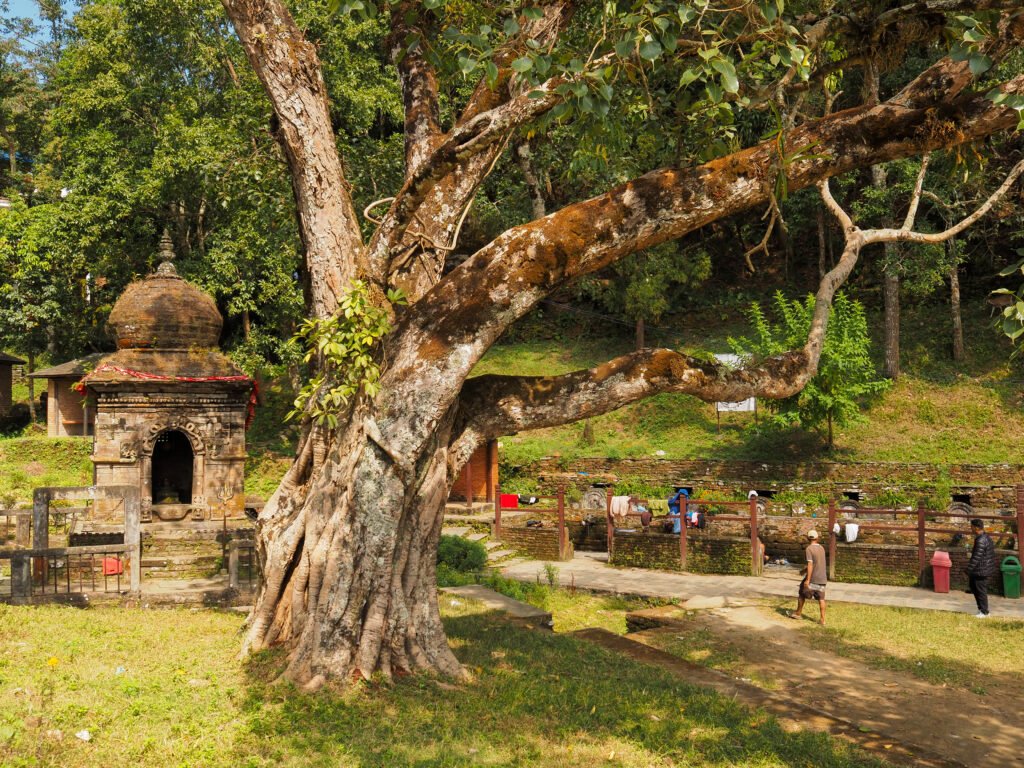
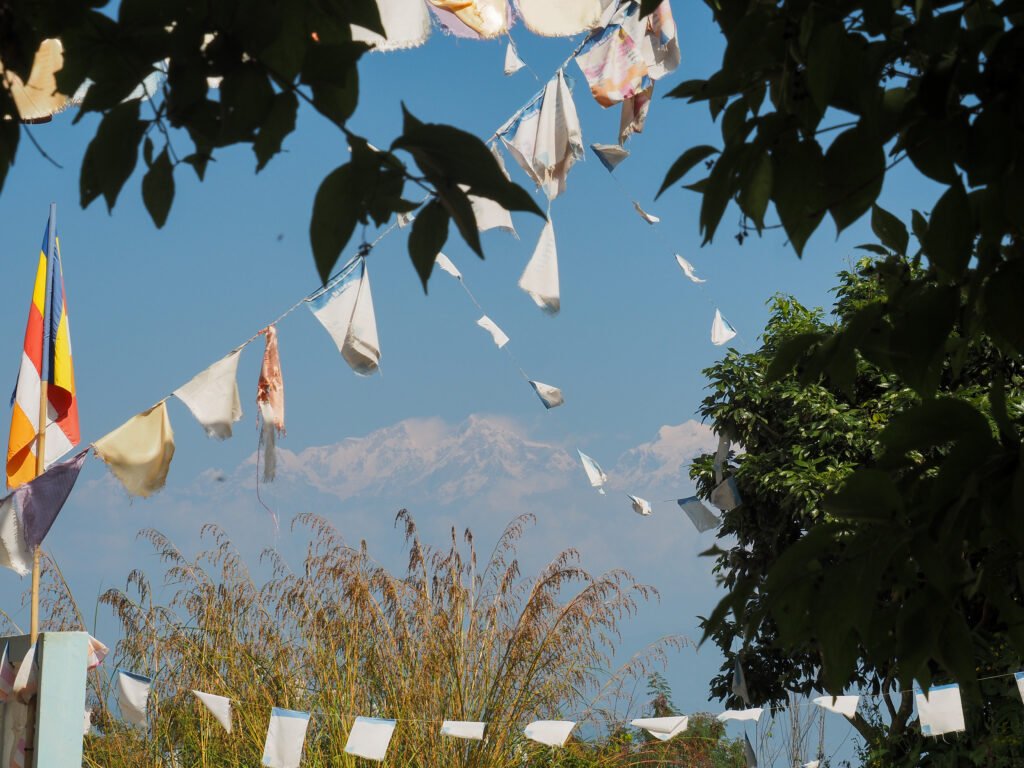
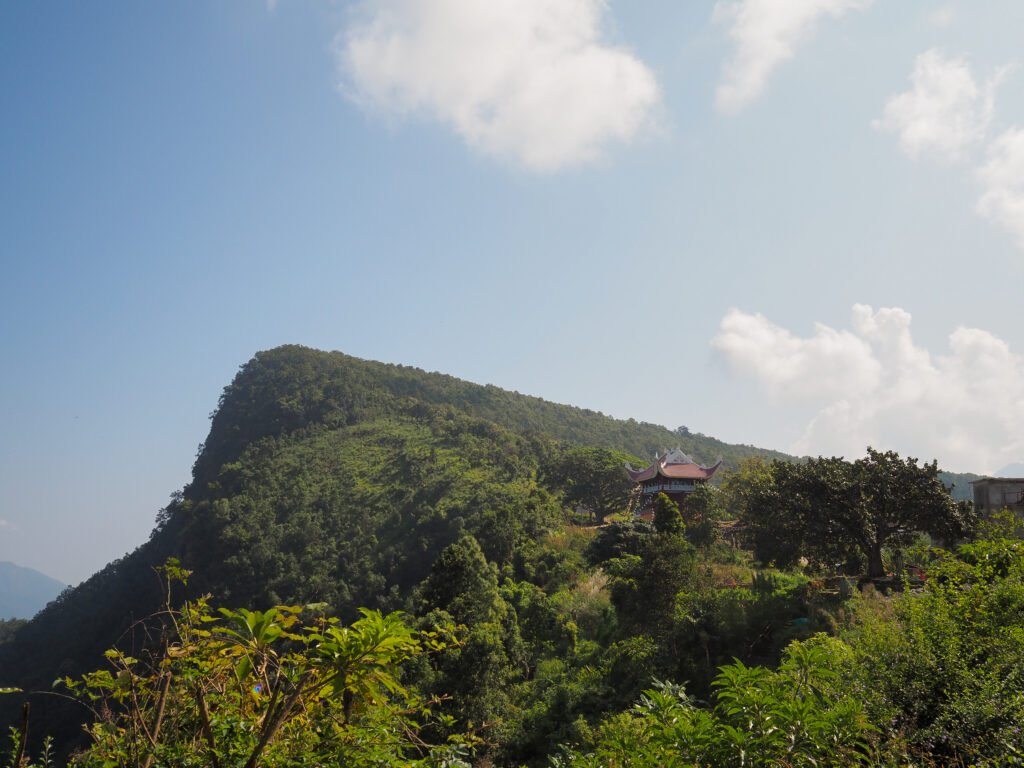
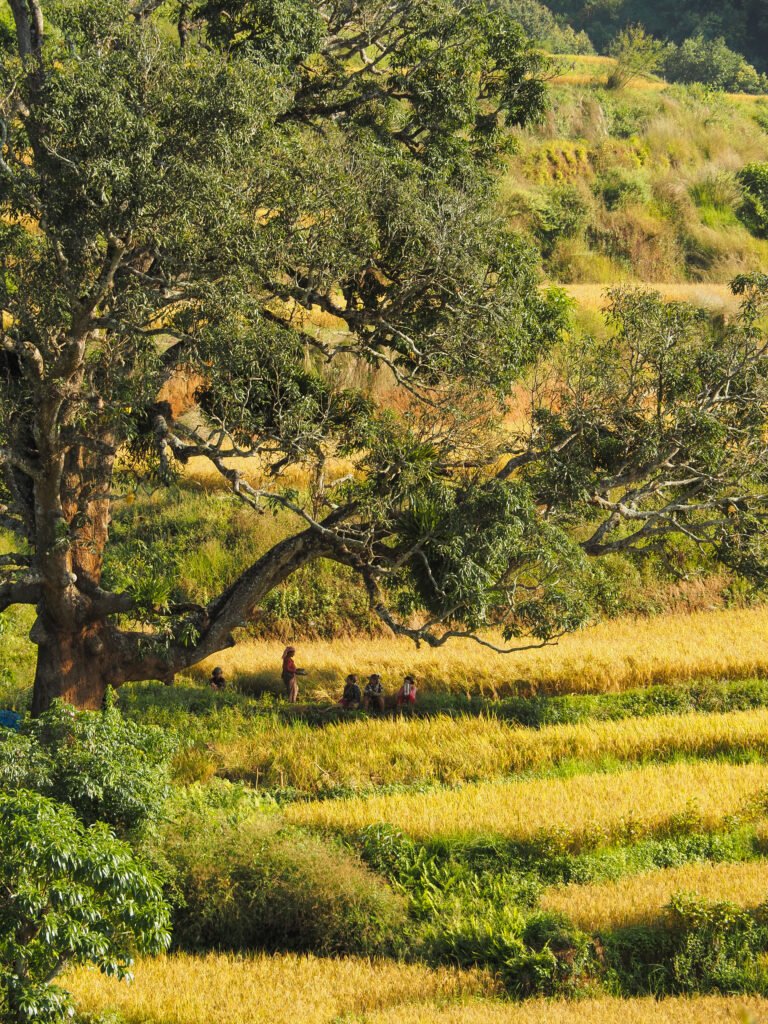
Around the town there are few interesting monasteries and temples and beautiful viewpoints on the Himalayas. At the foot of Bandipur’s hill, green and yellow fields of rice, corn and wheat bright up the valleys. One can spend days taking walks in and around the town, exploring the remote small villages sitting at the top of the surrounding peaks (Ramkot village is a must), visiting their favourite cafe for a daily coffee or chai, chatting with the locals and the playful children visiting the town with their families or classmates, enjoying the sunset view from Tundikhel viewpoint, trying out a different place for dinner every night.