India
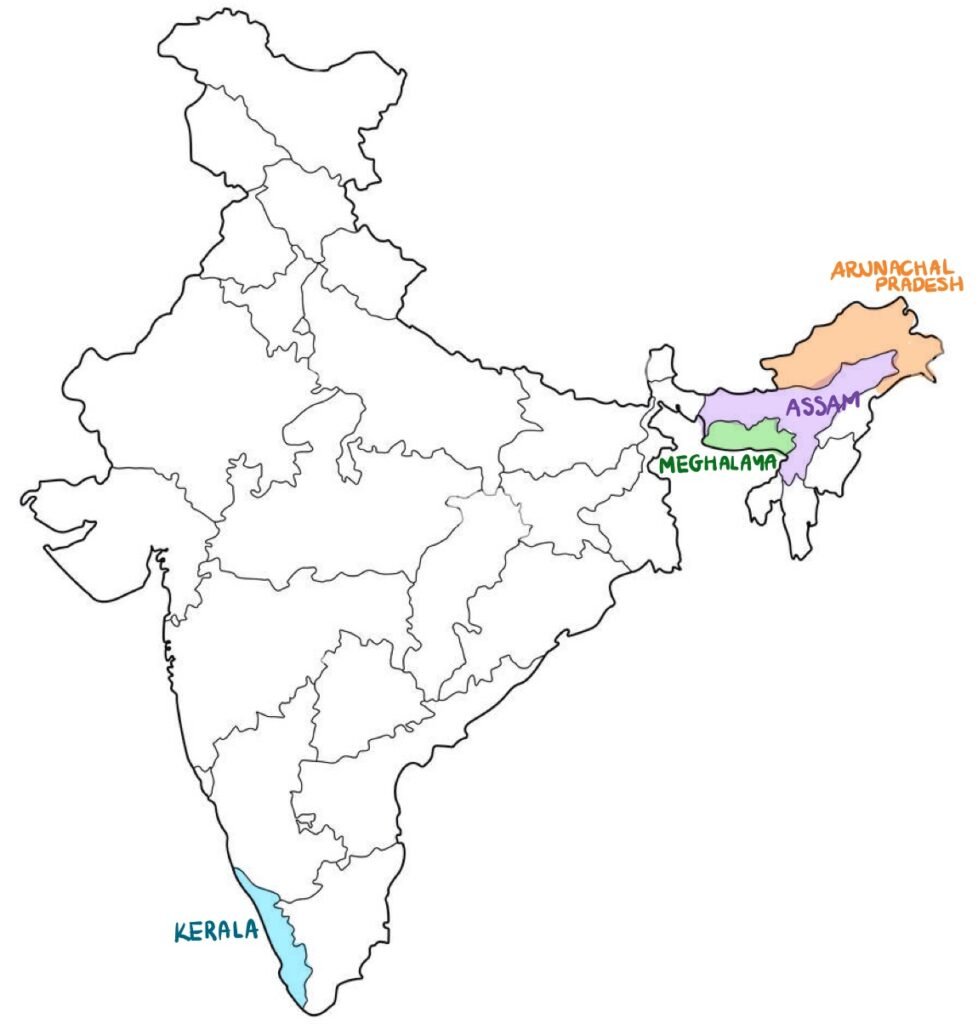
ASSAM - ARUNACHAL PRADESH - MEGHALAYA - KERALA
India is such a huge and internally diverse country that “travelling to India” can mean so many different things at the same time. It extends from cold towering mountain ranges in the north to tropical coastlines in the south. In the north, the sharp mustard oil taste dominates the traditional dishes, while the south sweetens its cuisine with the tropical coconut oil. The look of the people changes from state to state, as well as their language and traditions.
Despite this exceptional internal diversity, India still retains something unique and distinctive, something of its own and common to everywhere in the country. It’s the extraordinary warmth of its people, and the deeply rooted culture that permeates the everyday life. Indian people have a special way to make you feel welcomed in their country, a warmth that is strong and bright, genuine, sweet and truly caring. In a similar way, Indian culture plays a special role, different according to the geographical area, but remarkably rich and strong everywhere. The delicious cuisine with its bold flavours, the authentic spirituality and religion, the colors of the clothes and the intricate details of the jewelry, the chai sipped by the roadside, the rhythmic language and spontaneuos conversations in the street.
All of this speaks loudly and unmistakably of India and its marvellous culture, and makes India a truly special travel destination. A place you’ll want to return to as soon as you’ve left it, eager to explore further, to discover a new side of India, safe in the knowledge that there you’ll find, just as you did last time, those same distinctive traits that make you feel at home wherever you travel in this vast and extraordinary country.
COUNTRY OVERVIEW
CURRENCY
Indian Rupee (= 0,0090 Eur as of Sept. 2026)
LANGUAGES
Hindi and English as official languages, plus hundreds of distinct regional languages
TIME ZONE
GMT +5:30
PAYMENTS
Generally possible with credit and debit cards, banks in every main city to withdraw and exchange money
PHONE
Local SIMs available and cheap, but connection and electricity availability depend on the region
WEATHER
Varies according to the region, Southwest Monsoon (Jun - Sep), severe winter (Dec - Jan) in the northern regions
ASSAM: Majuli Island
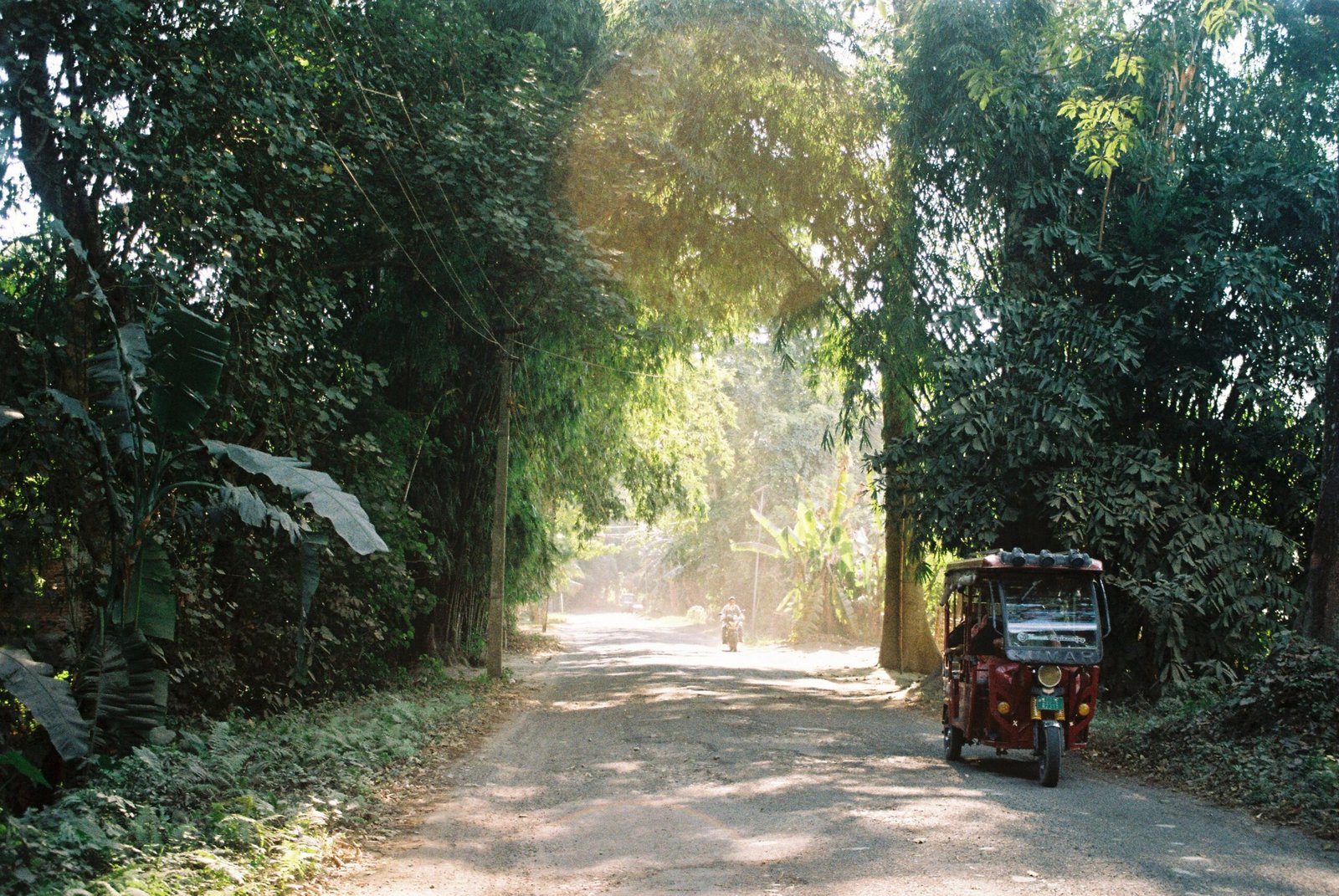
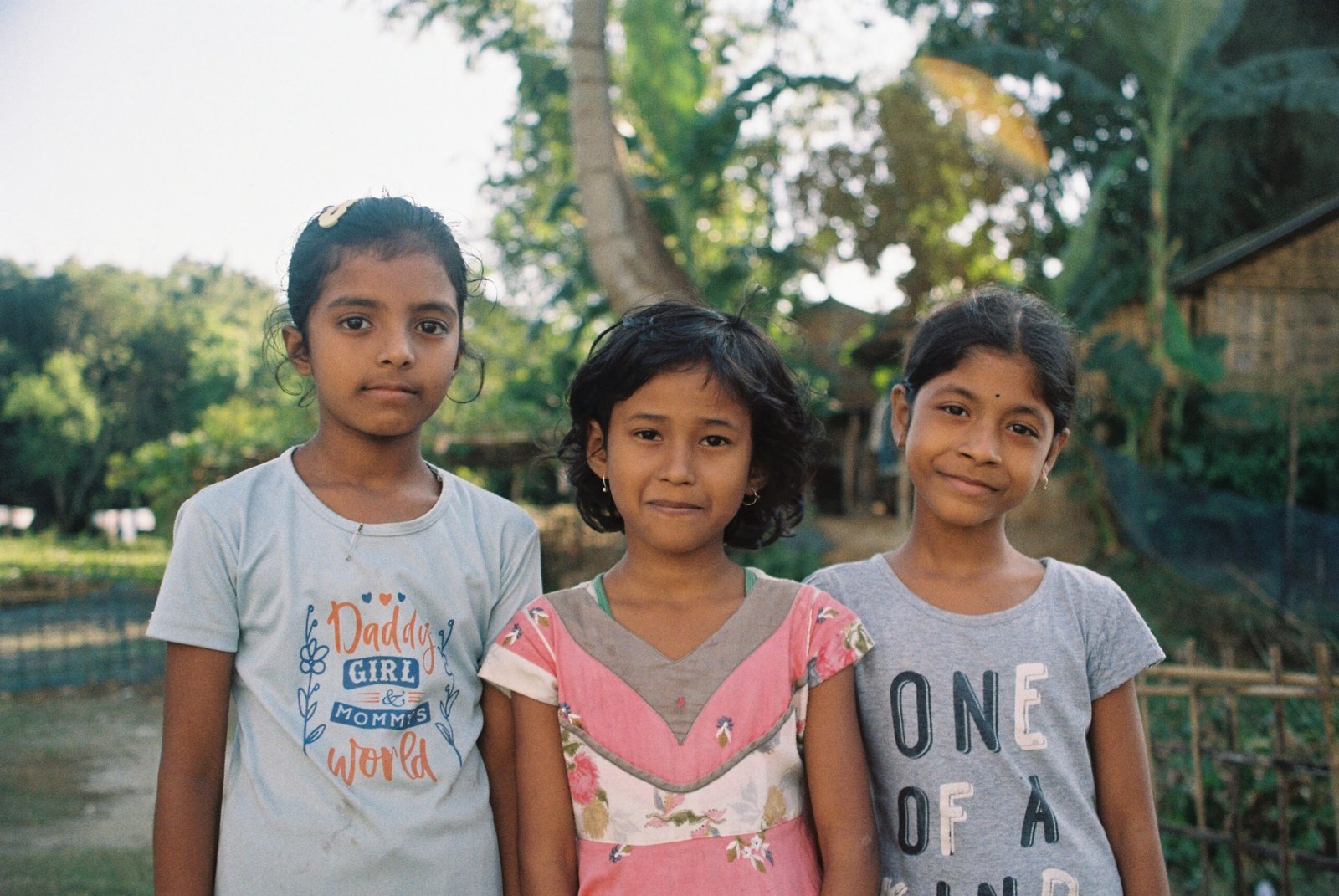
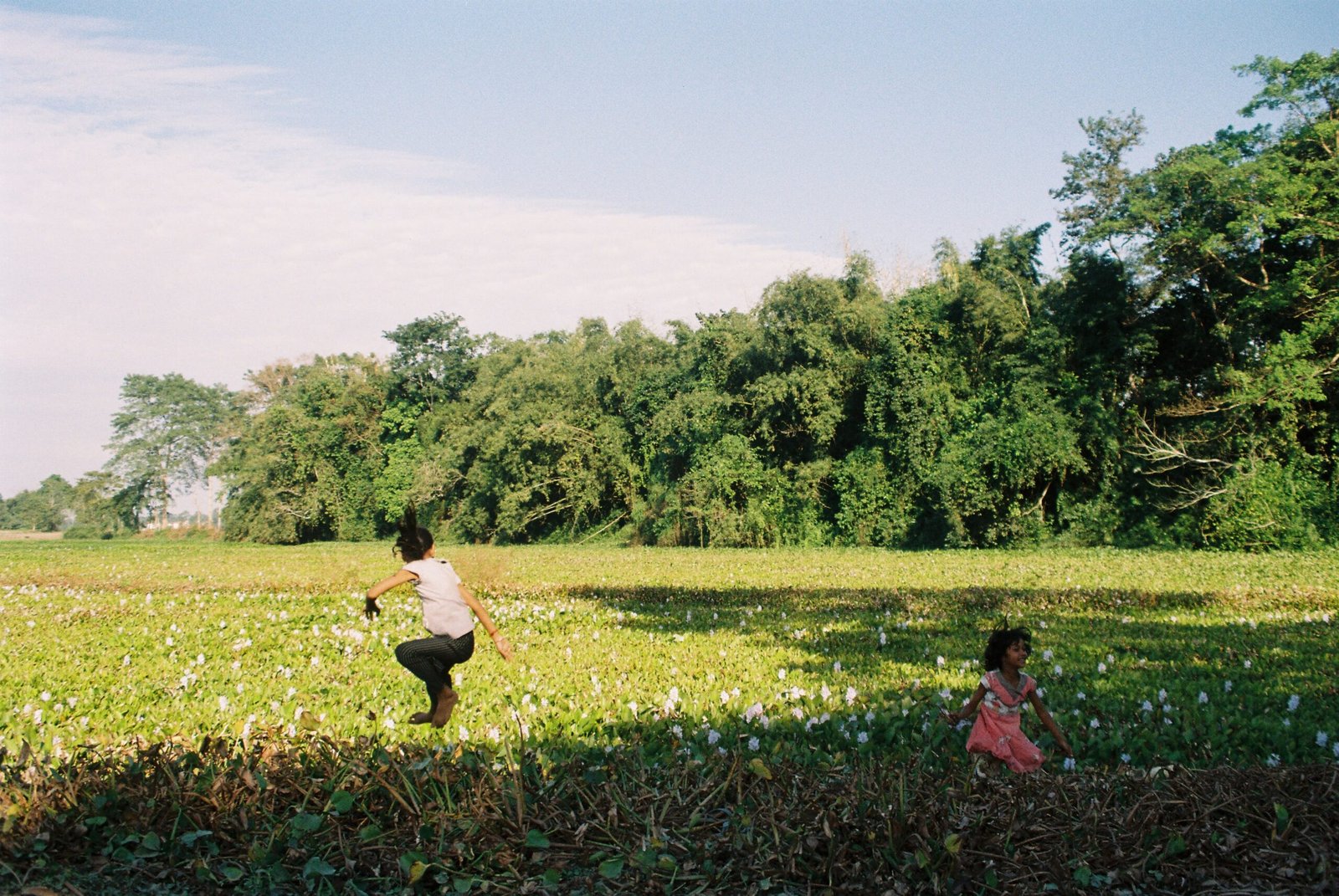
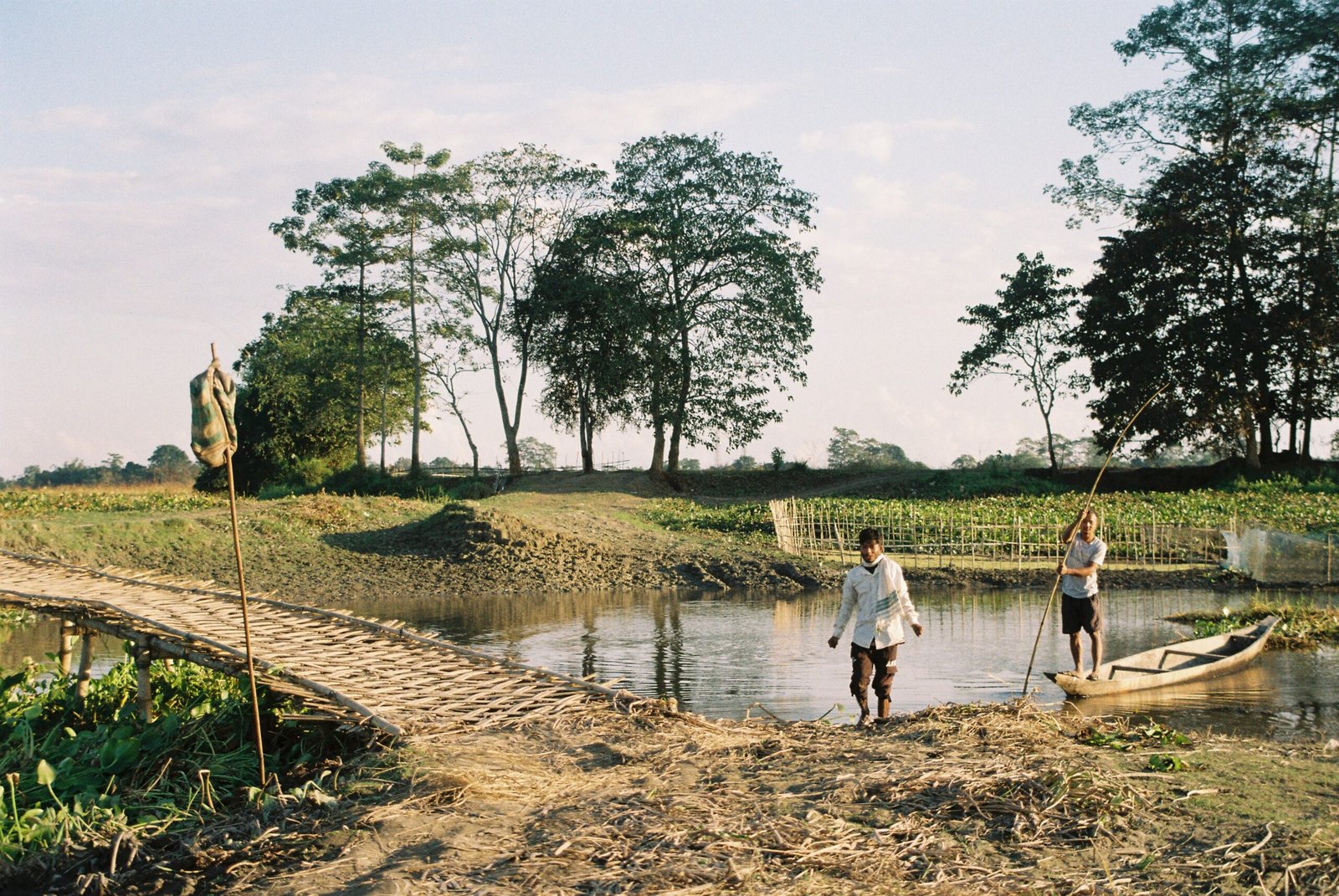
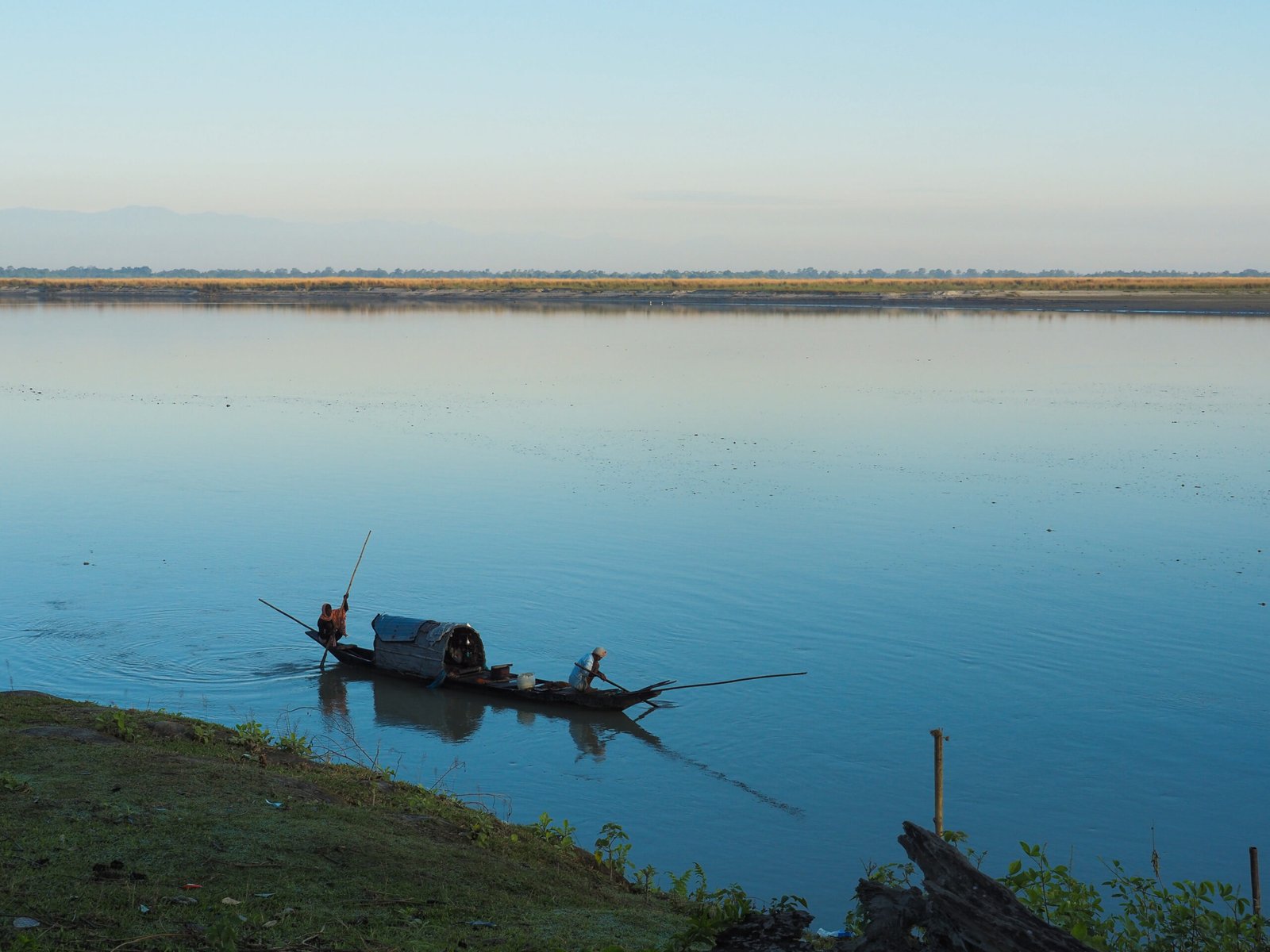
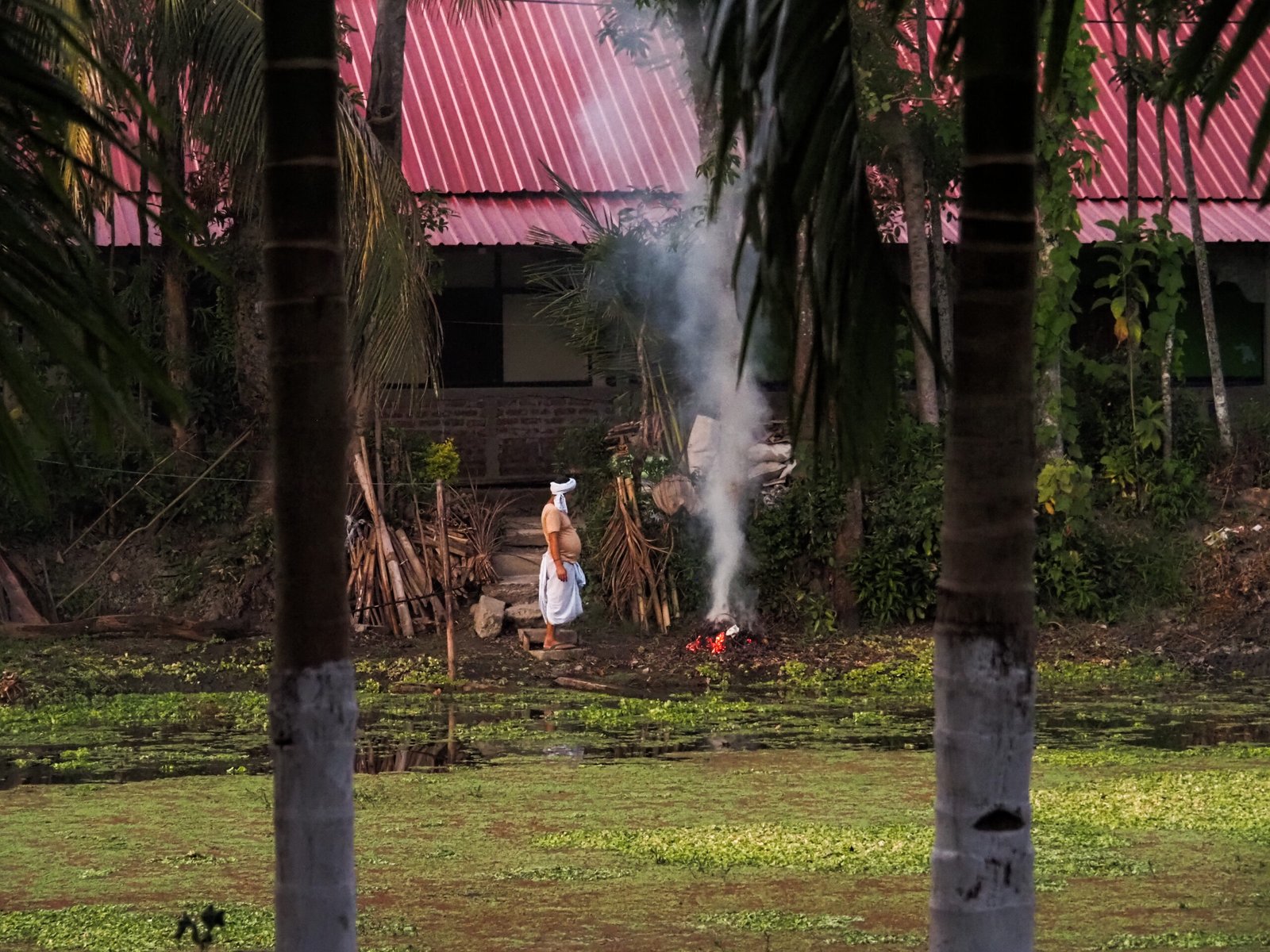
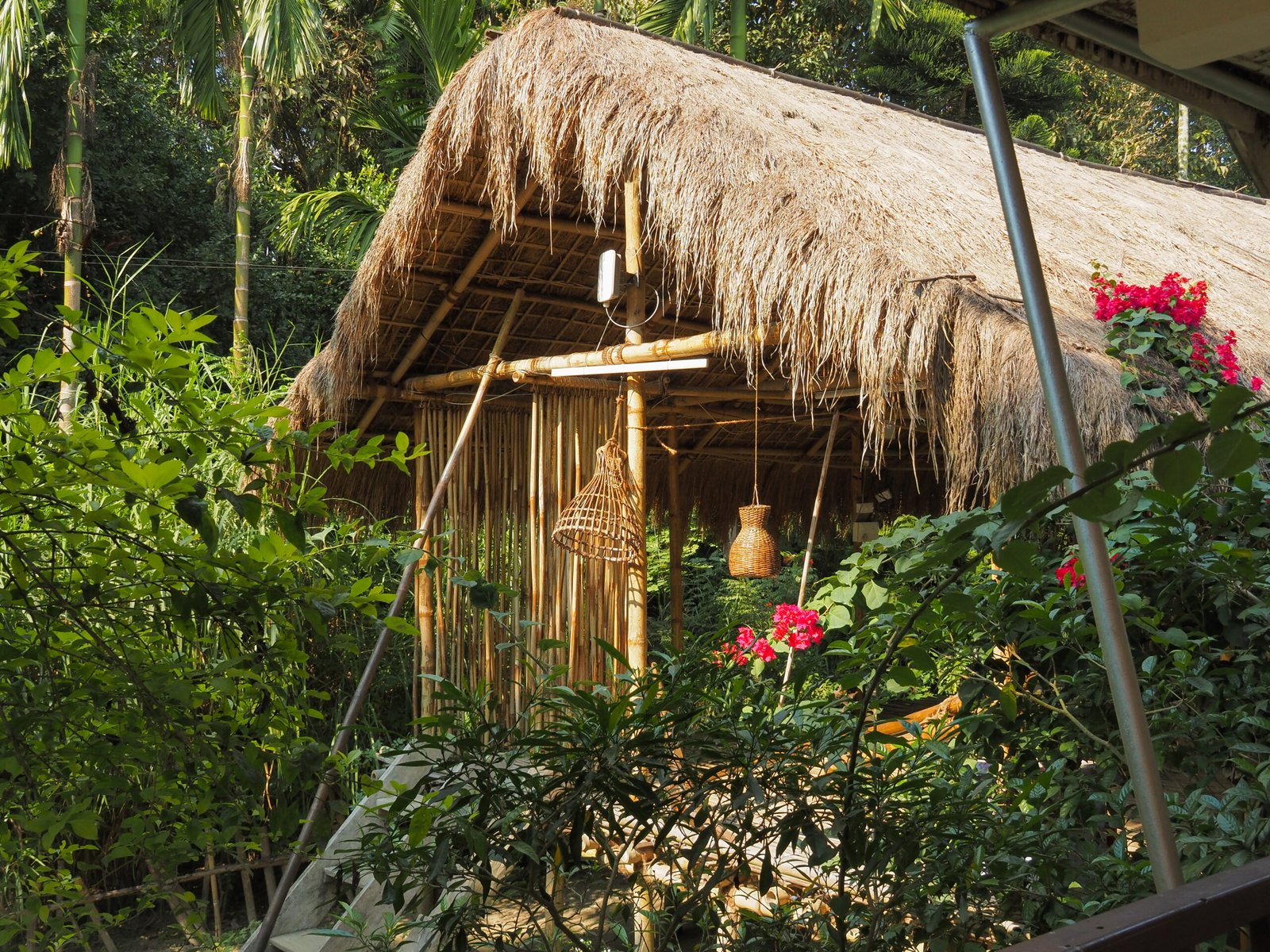
Majuli island is the largest river island in the world. It is a place where the sunsets remind of the ones of wild Africa, where every child goes to school by bicycle, where the lush green bamboo jungle meets the peaceful water of the Brahmaputra river, where dogs and calves play in the middle of quite streets, where the night sky looks brighter than daytime and where the air feels tropical.
Life here is simple and peaceful, people live in beautifully constructed bamboo houses, have chickens and cows, work in the field until sunset and cook homegrown food with their extended family every night. The landscape of the island changes so drastically during the monsoon season that most houses are built on tall wooden poles to avoid flooding from heavy rain and river overflowing.
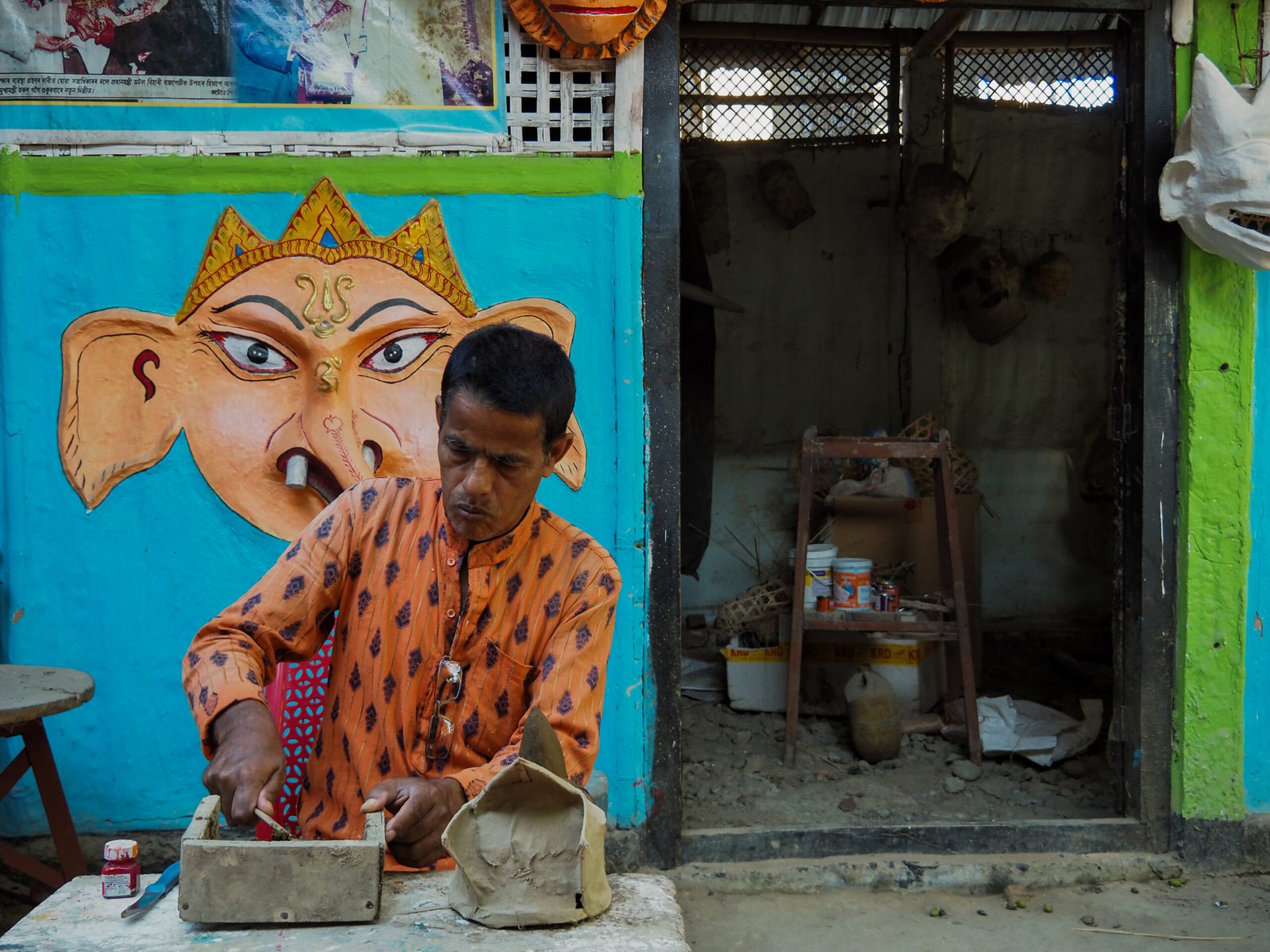
A distinctive feature of the island is its satras. These are Hindu monasteries where lord Vishnu is exclusively worshipped. They serve as centres for unique Assamese arts like mask-masking (Samaguri), religious dances (Apsara), music and drama. They are also the home of Hindu monks who silently roam around the site wearing white ropes wrapped around their waist and legs. Like its people, Majuli satras are simple and welcoming, they don’t excel in details, they are peaceful, full of greenery, and imbued with spirituality.
There is no better way to explore the island than on a scooter and there is no time limit as to how long to stay here, as it is impossible to get bored of this island’s dreamy energy. You can simply spend your days driving aimlessly along the island’s narrow roads, taking in all the greenery around you, do some satra-hopping (they are all unique in their simplicity, visiting one at sunset is a special experience), learn about the tradition of mask making at the Mask Making Temple and Centre, and stop off spontaneously to chat with the locals, you will receive the most genuine and heartfelt welcome.
Type of accommodation: independent cottages on stilts, made of bamboo and/or concrete and a newer concrete block with smaller but comfortable AC rooms
Food: restaurant offering a wide selection of dishes and home-style cooking
Price: cottages around 15€ per night
This is a beautiful and peaceful gem located on a quite secondary road, in a strategic location for exploring the island. Here you will find authentic stilt cottages made of bamboo and/or concrete, warm and freindly hospitality and a convenient restaurant serving home-style food.
Risong Family Guest house / La Maison de Ananda, Garamur
ARUNACHAL PRADESH: Ziro Valley, Aalo, Menchuka, Anini
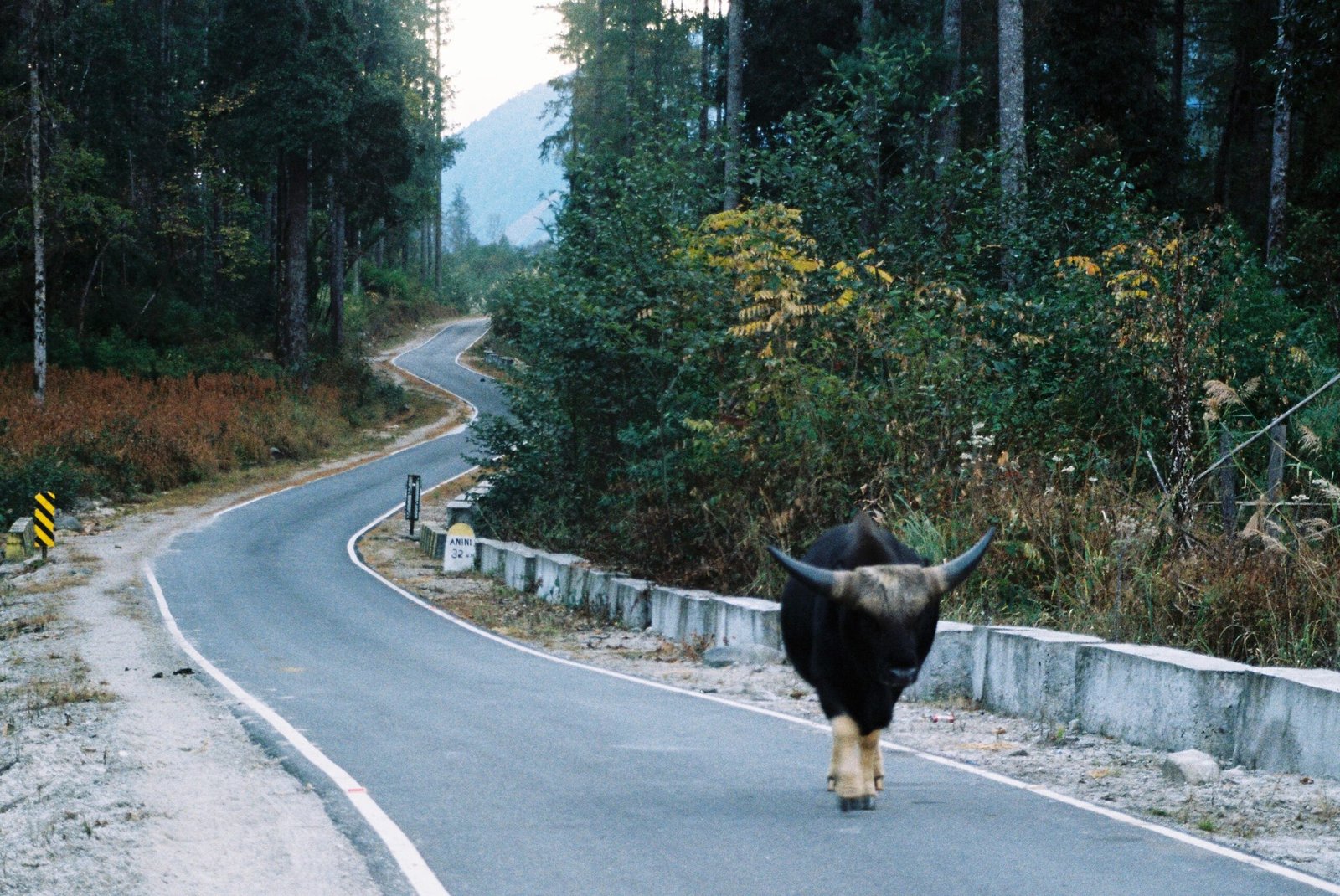
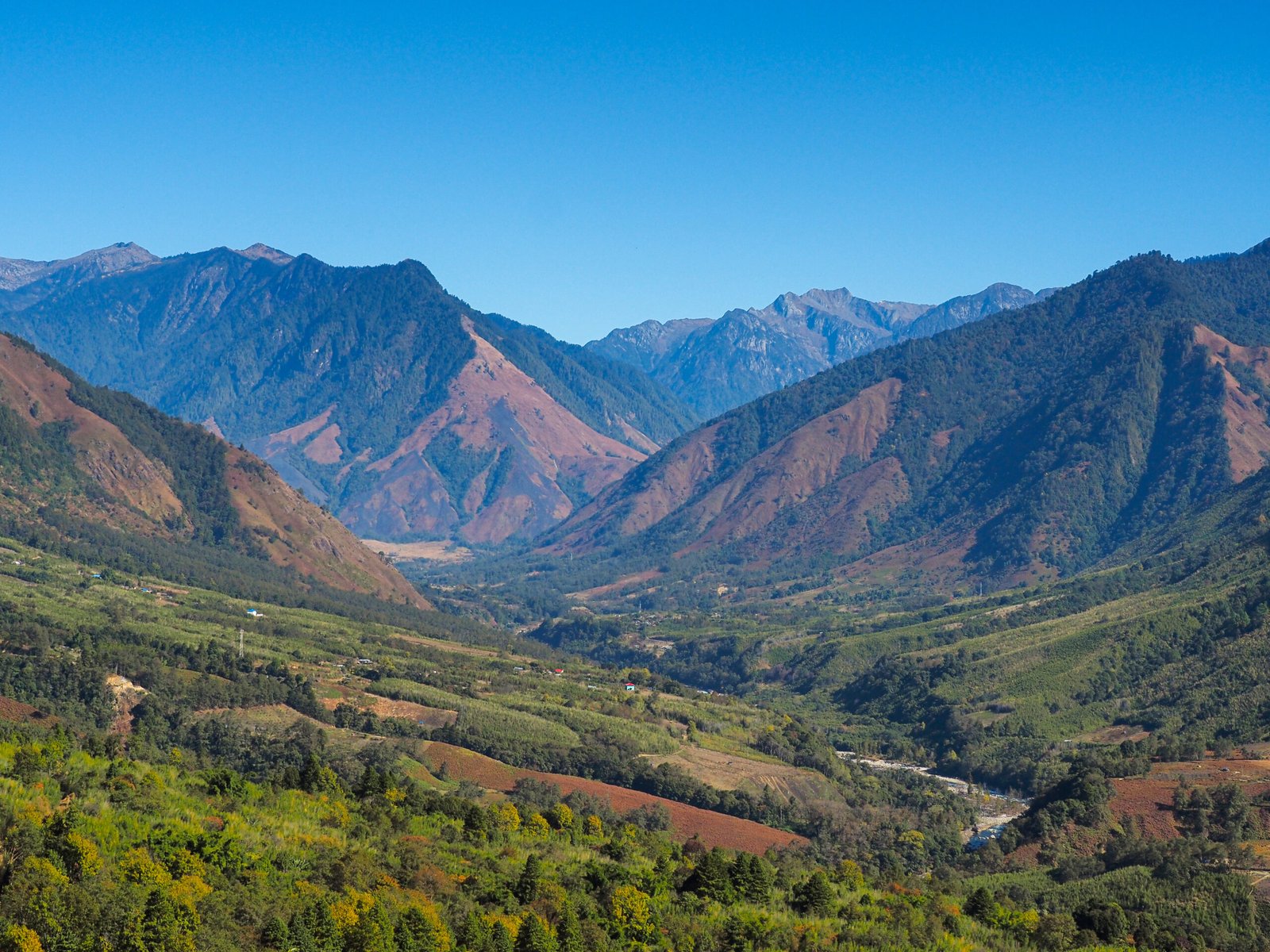
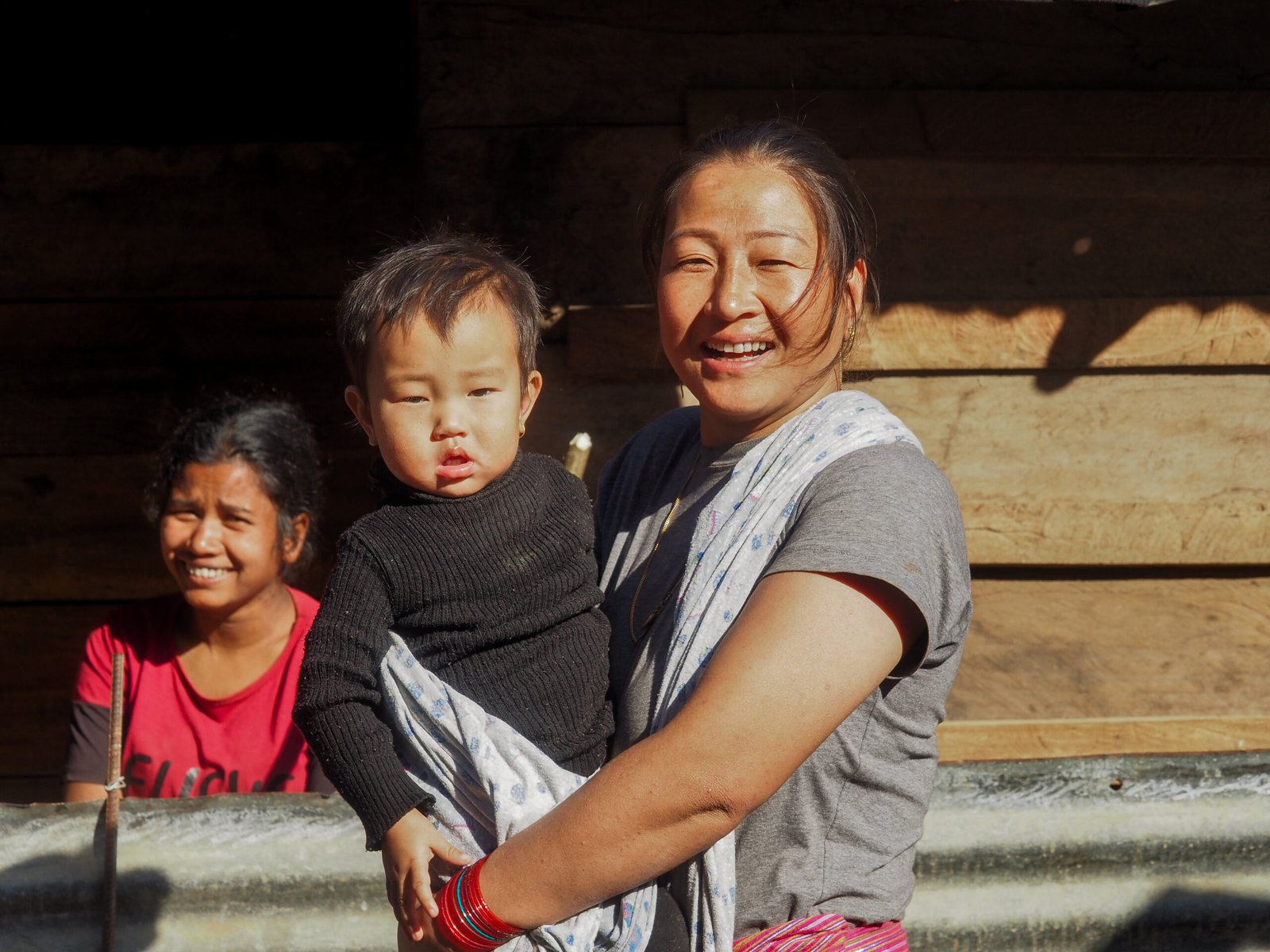
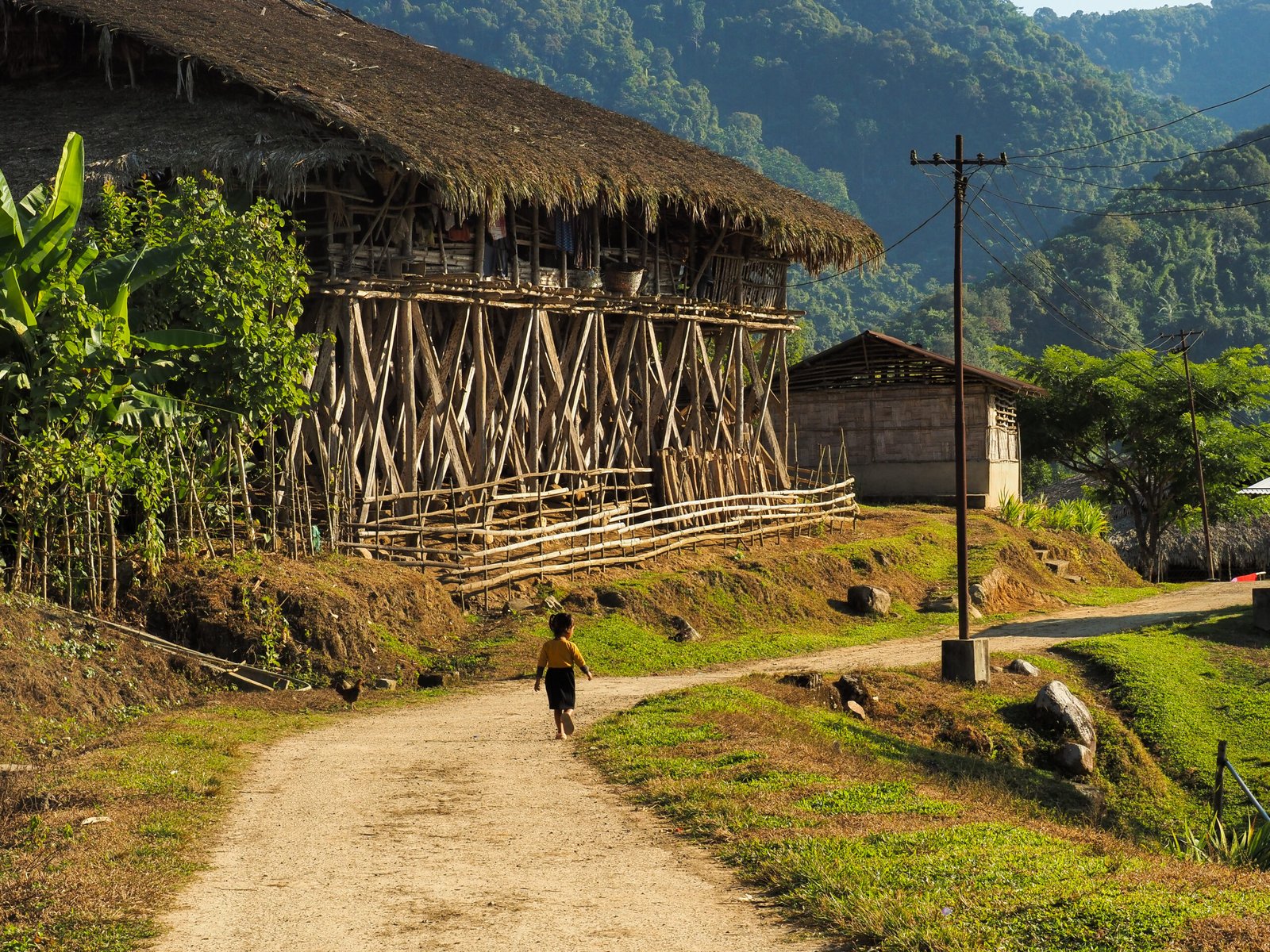
Located in the far north-eastern corner of India, Arunachal Pradesh is probably the most remote region of the whole country.
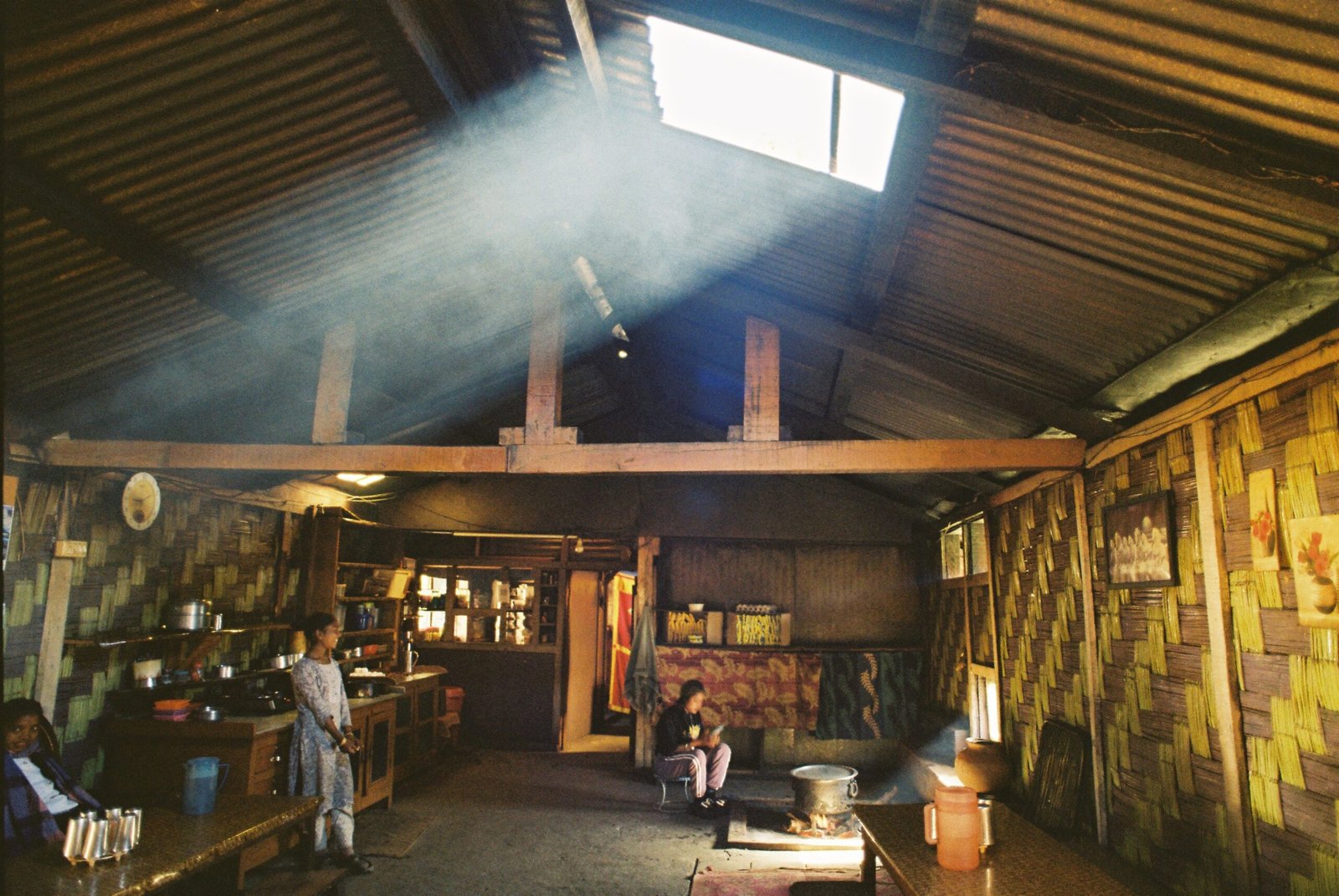
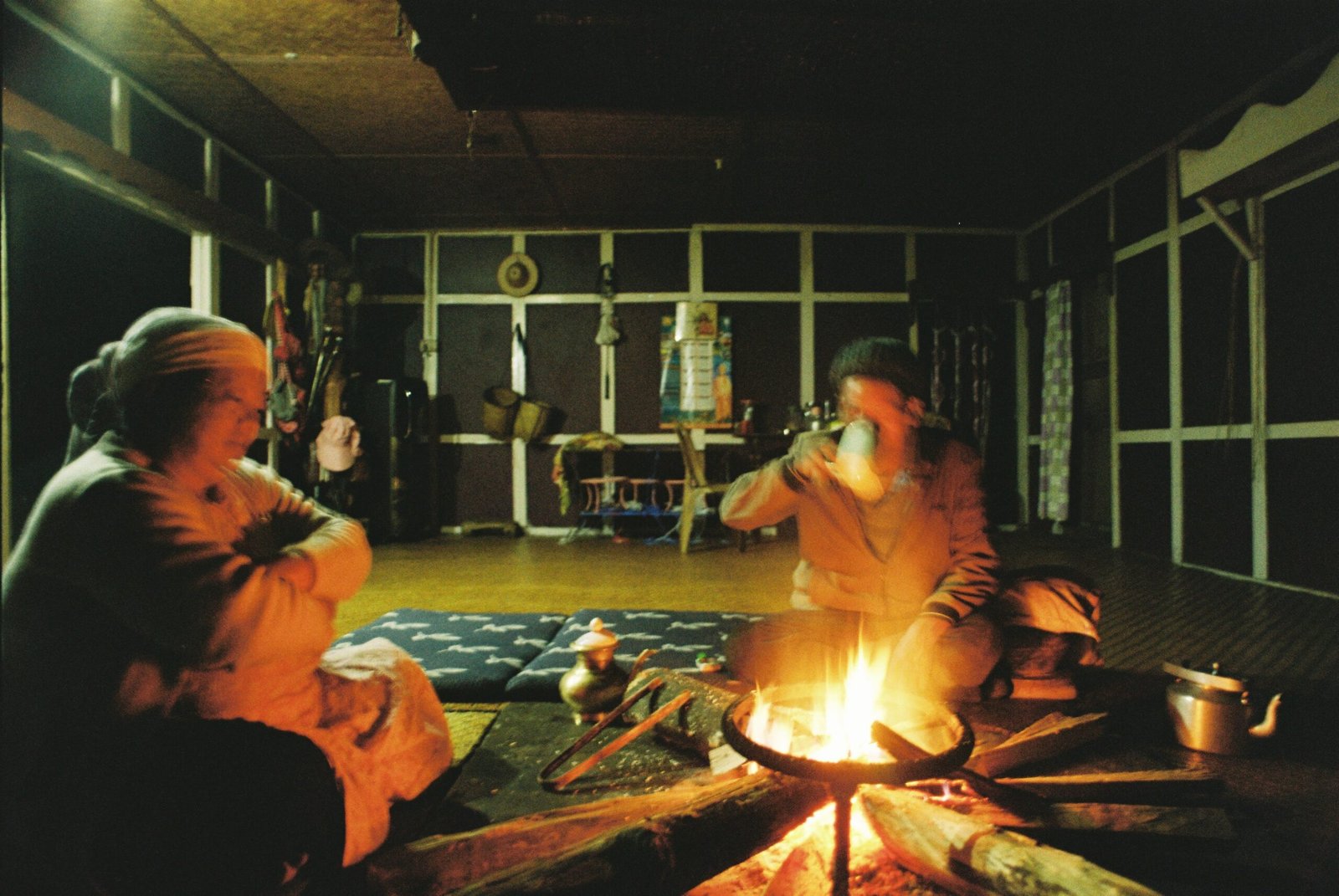
It is the first Indian state to see the sunrise and to that it owes its name Arunachal Pradesh “the region that carries the sun”. This is a truly special region to explore, a region for the most part still very isolated from the outside world thanks to the remoteness of its villages and the narrow, winding mountain roads leading to them. A region where the mithun, a rare and sacred animal found only in Arunachal Pradesh and in the surrounding regions, roams freely through the jungle and greet visitors warmly from the roadside. A region with exceptionally abundant biodiversity and home to rare wild animals like tigers, leopards and red pandas. A region where people live in traditional bamboo or wood houses and sit all together around the wood-burning stove placed at the centre of the main room to cook and keep warm in the coldest nights. A region where ancient indigenous spirituality (Donyi Polo and shamanism) prevails, rooted in the natural elements that still surround everything and everyone, in animal sacrifices, and in ancient and incredibly precious artifacts such as the traditional dao (sword) and jewelry. Also thanks to its isolation and remoteness, the region retains an exceptionally precious and strong tribal culture, with 26 main tribes and 106 minor tribes, each one with its own language, look and traditions. Travelling from one village to the other means learning a completely new way of living, of communicating and of believing.
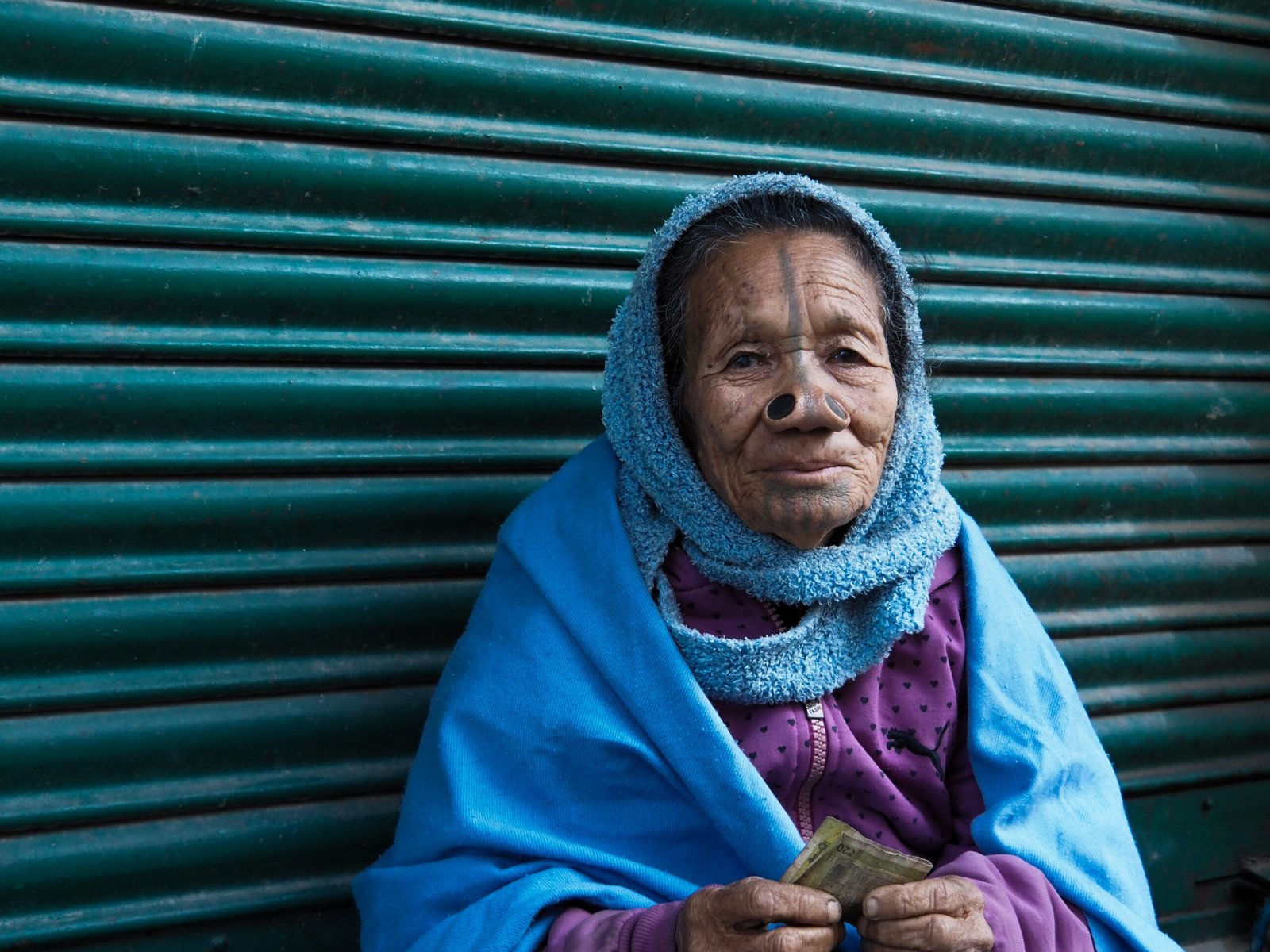
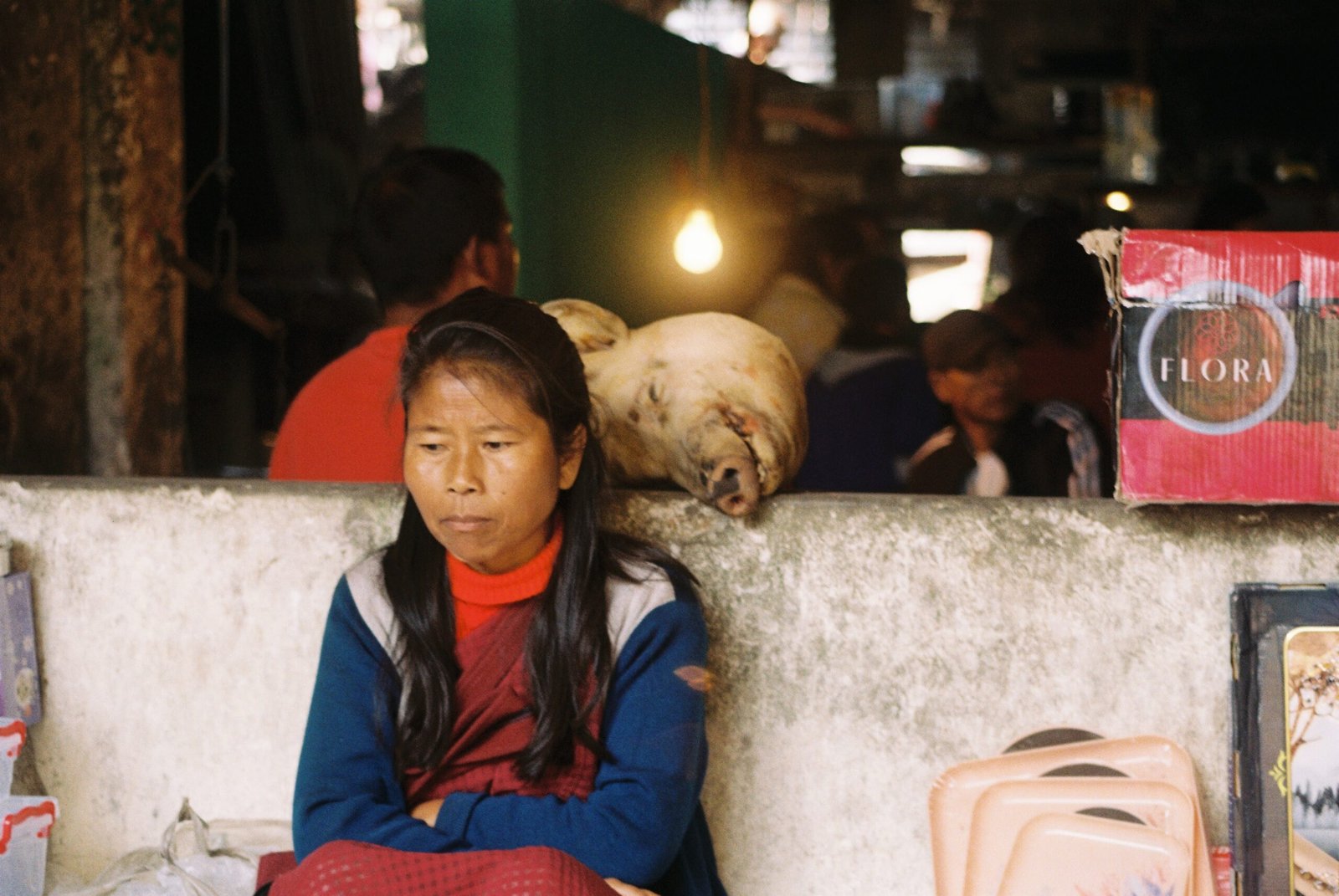
Painted beige by the millet fields, the broad valley of Ziro is home of the Apatani tribe, whose women traditionally wear big round wooden piercings on their nose and distinctive facial tribal tattoos. In almost every traditional Apatani kitchen, a big piece of meat hangs on the side of the wood stove for months and even years. It gets eaten only on special occasions, like weddings, and, because of its high value, it can also be sold by the family during financially challenging times.
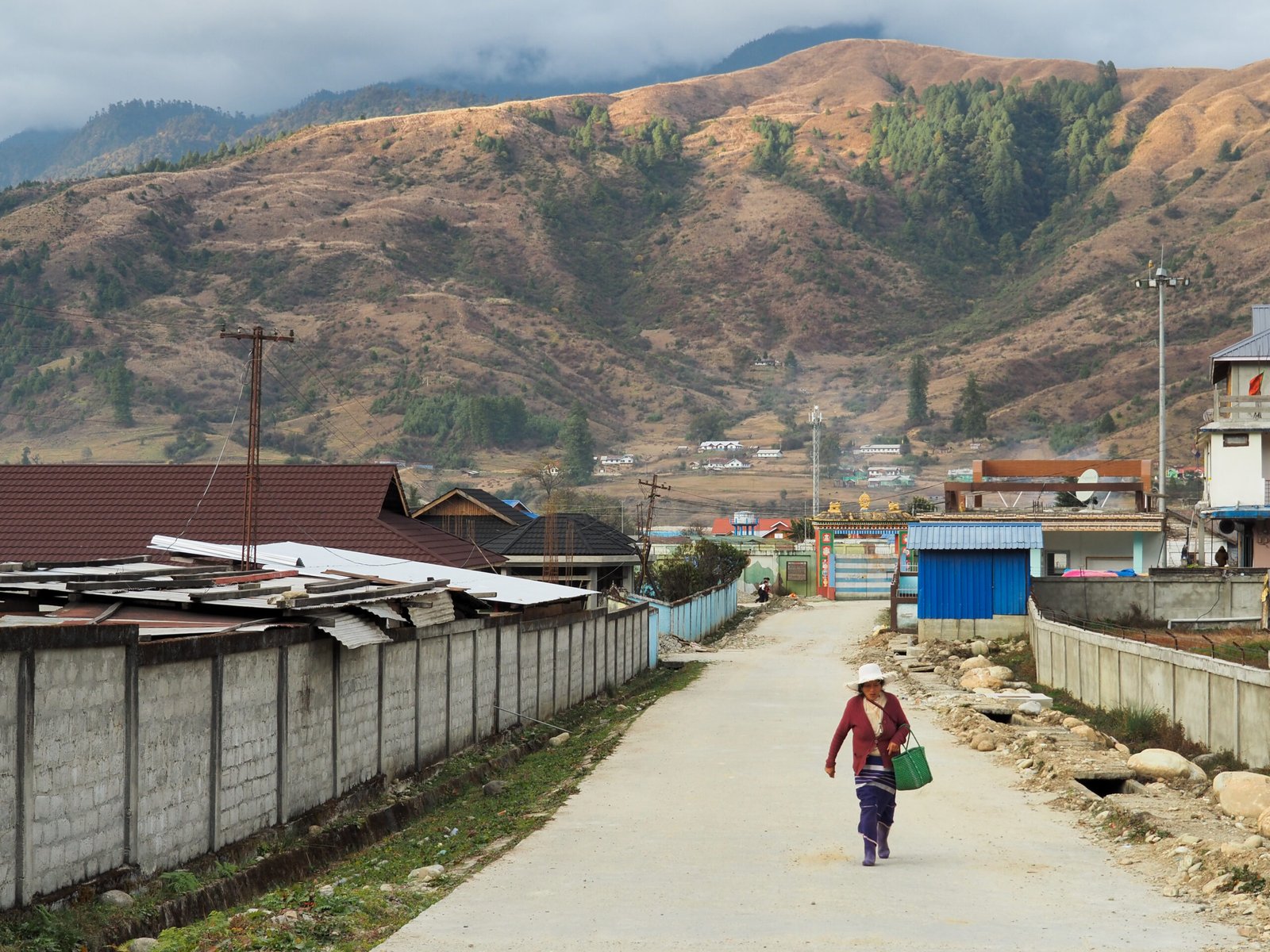
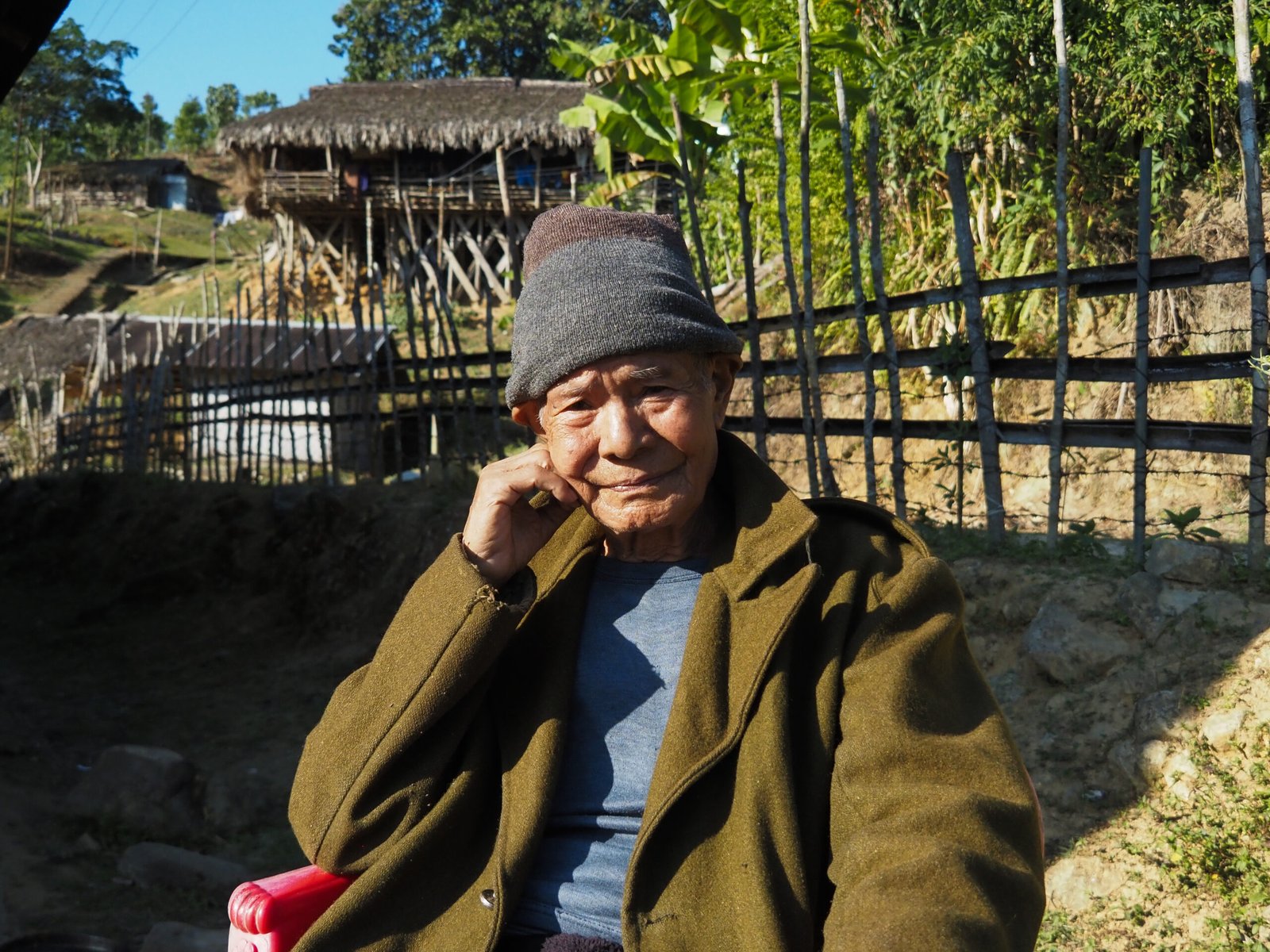
Around the bustling and central town of Aalo, well hidden in the endless jungle-green valleys, lie quiet little villages where time seems to have stood still for decades. Gallo people here live in big traditional houses made entirely of wood and standing on big poles. Kids and stray dogs play peacefully on the main small dirt road surrounded by orange, grapefruit and banana trees. The great majority of the inhabitants of these villages don’t speak any English nor Hindi, and have never seen a tourist walking their streets, but despite the language barrier, they will always manage to make you feel truly welcome.
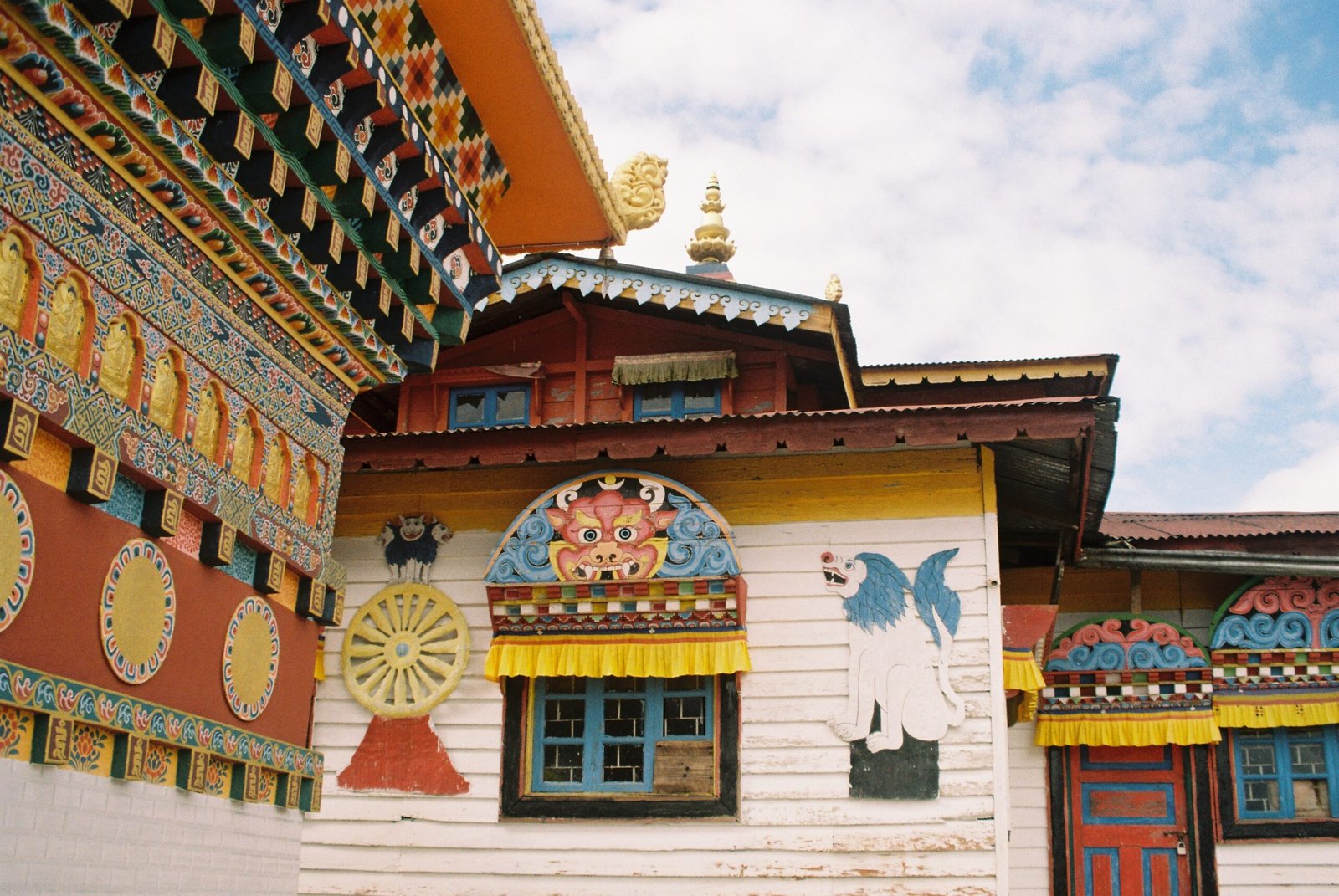
Menchuka sits only 29 km from the border with Tibet, because of its remoteness and the bumping, winding road isolating it from the rest of the region, it is often referred to as the “Forgotten Valley“. At 2000 masl, the air smells of fresh mountain breeze and the scenery is wild and extraordinary. Thanks to the proximity to the border, the local Memba tribe holds a strong Buddhist spiritual heritage, and beautiful ancient monasteries, like the 400-year-old Samten Yongcha, sit on top of the hills overseeing the whole valley. For the same geographical reason, Menchuka is also a very active military zone, with almost half of the region’s total population consisting of army soldiers.
Overlooking the tall, verdant mountains of the Dibang Valley, Anini is a remote little town that has never seen a foreign tourist before. From here, two beautiful valleys branch off and make their way towards the border with Tibet. On the left, the Emuli valley with its vast lush grasslands, on the right waterfall after waterfall, each more breathtaking than the last, will guide you towards Acheso. The only worshipped entity by the Idu Mishmi tribe is Mother Nature, Nani Itaya. People pray to the sun, the moon, the river and the mountains. They consider tigers and the other animals roaming the forests around the village as their brothers and sisters. Their spiritual leaders are shamans, people who look ordinary but have spiritual powers, a direct connection with Nani Itaya.
If you want to learn more about the culture of Arunachal Pradesh, visit the Blog Arunachal Pradesh: India’s wildest gem
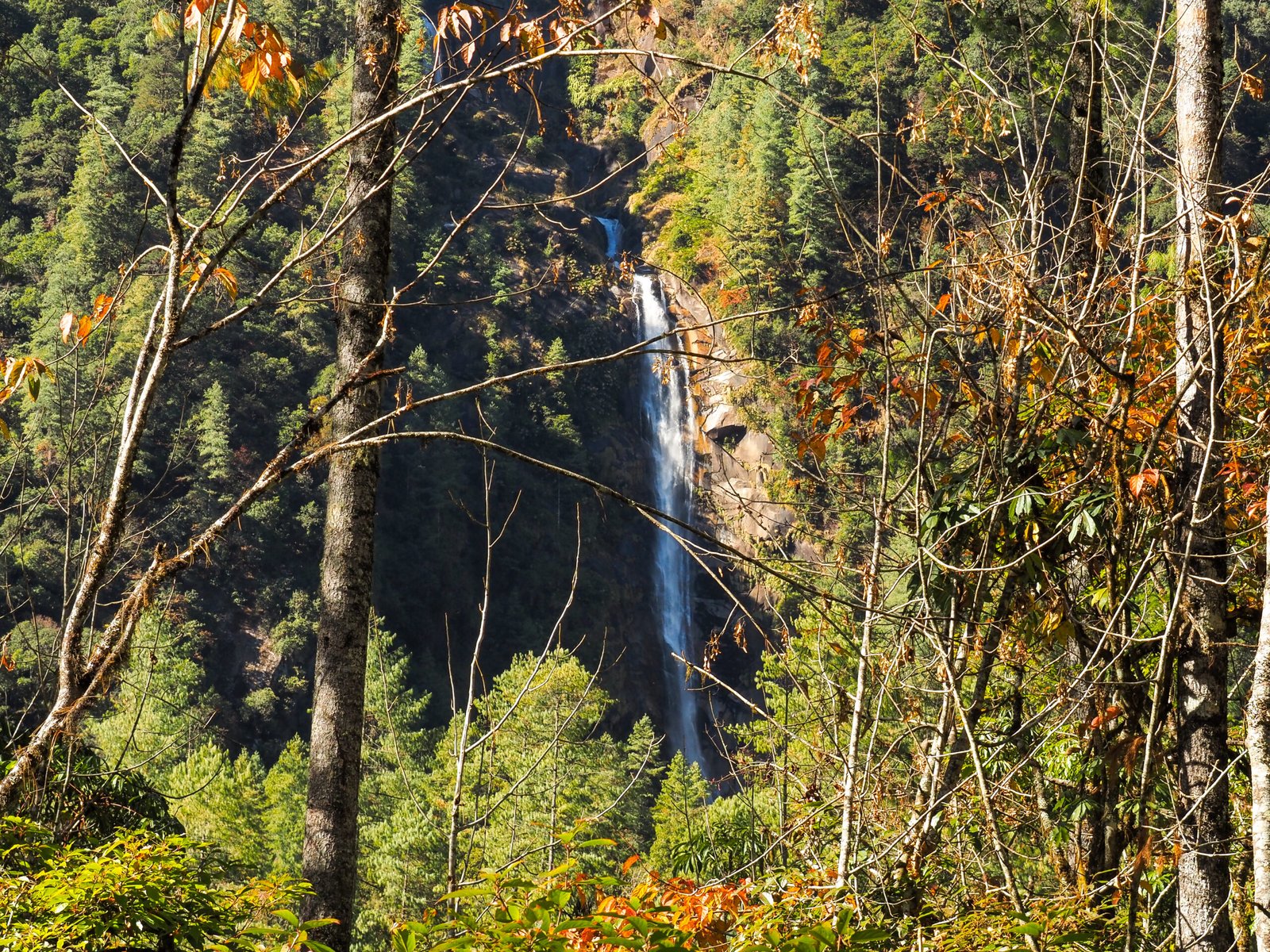
- everyone is required an entry permit to visit Arunachal Pradesh. For Indian citizens it is called Inner Line Permit (ILP), it can be applied for directly online via the portal, whereas foreign tourists should arrange the Protected Area Permit (PAP) via registered tour operators. Ask your host in Assam for guidance, they might know someone who can help with the process. The price for the PAP is around 40-50 €, depending on how much the tour operator charges, and can take up to a week to be released. Make several paper copies, as you’ll be asked for them by all the accommodation providers you stay with in the region and, sometimes, even by the police and local people you meet along the way.
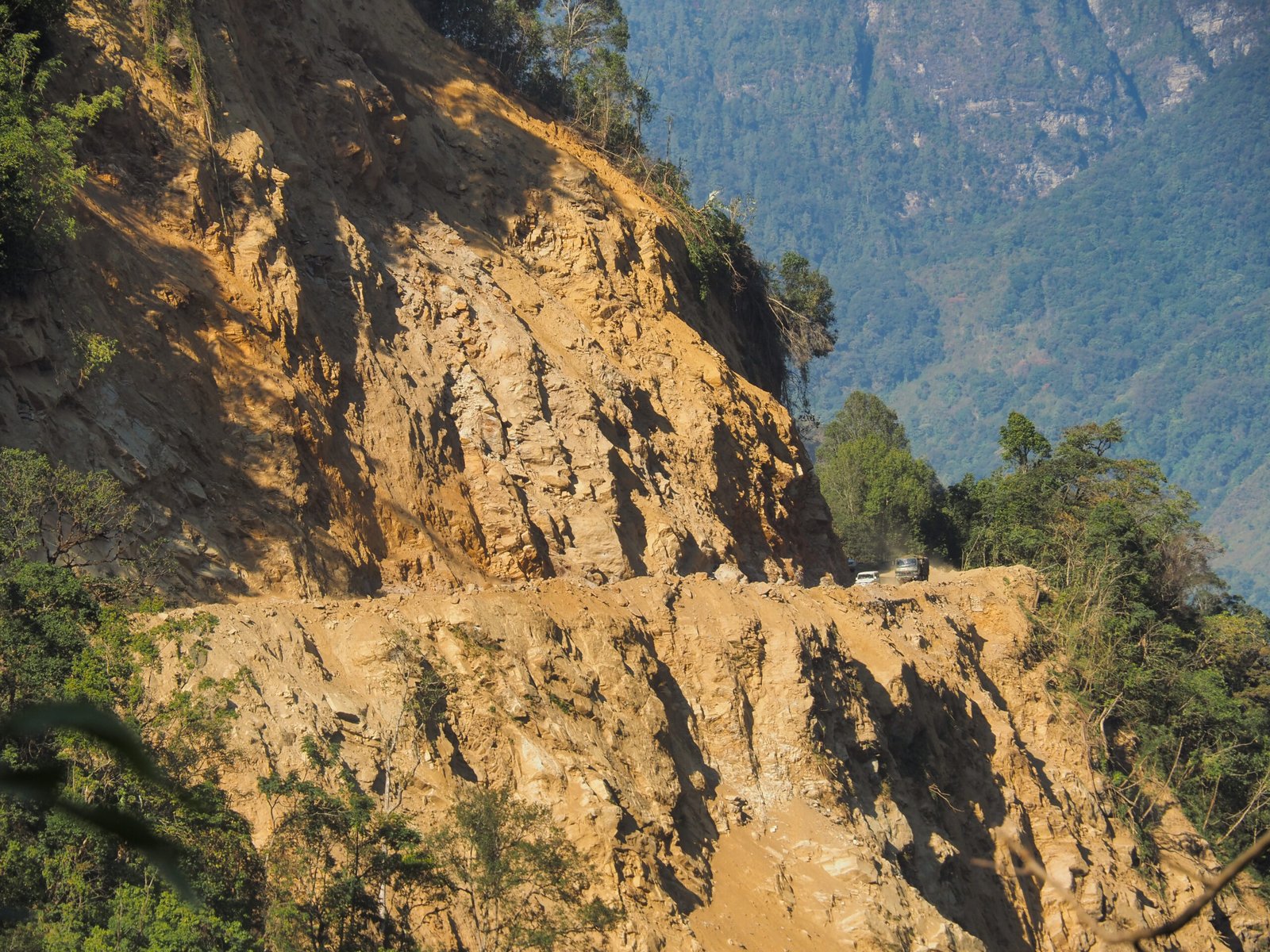
- the only means of transport I can recommend for Arunachal Pradesh is a hire car. If you rent the car with a driver, the price will obviously be much higher, whereas driving it yourself allows to cut the costs and enjoy the freedom of moving around alone, but be ready to drive on challenging roads. Especially the roads towards Menchuka and Anini are narrow, unpaved roads and very exposed on high mountainsides, with roadworks constantly underway and plenty of obstructions and potholes. It is not impossible, but it takes plenty of time and some driving experience (and no vertigos!). Finding a rental car in Arunachal Pradesh (including the bigger city of Itanagar), can be difficult. The easier alternative is to rent it from Assam, like Guwahati, and pay extra to have the car delivered to Itanagar.
- electricity, phone connection and even water are not a given in Arunachal Pradesh, especially as you venture into the mountains to the north. The town of Menchuka receives electricity for just a couple of hours throughout the day, for the rest of it people rely on generators for basic needs. Phones get service maybe one hour per day and the connection is very unreliable. Fundamentals things you should have with you are a good portable charger, warm clothes and a thermos flask for the hot water.
- for the same reason, you should not rely on atms nor banks to withdraw or change money. Make sure you have more than enough cash in local currency with you before setting off for Arunachal Pradesh. Aalo is the best town in the region to withdraw additional cash or change it.
- looking for a place to stay in the region without mobile service or internet can be tricky. For bigger towns like Aalo and Ziro you can try Google Maps to look for accommodation, call the hosts and inquire about availability and price. Make sure you look for guesthouses and homestays rather than hotels or resorts, as this is really the way to learn about the extremely rich culture of the place and to easily immerse yourself in it. In the most remote places, the only, and indeed the best, way is simply to drive round the village and ask the locals: that way, you might find some truly amazing and special hosts. For Ziro I can strongly recommend Ziro Putu Homestay: warm hospitality, beautiful rooms with a view on the millet fields, traditional kitchen and food, and a host eager to show and explain the local culture.
Travelling to and around Arunachal Pradesh
MEGHALAYA: around Cherapunji and Mawlynnong
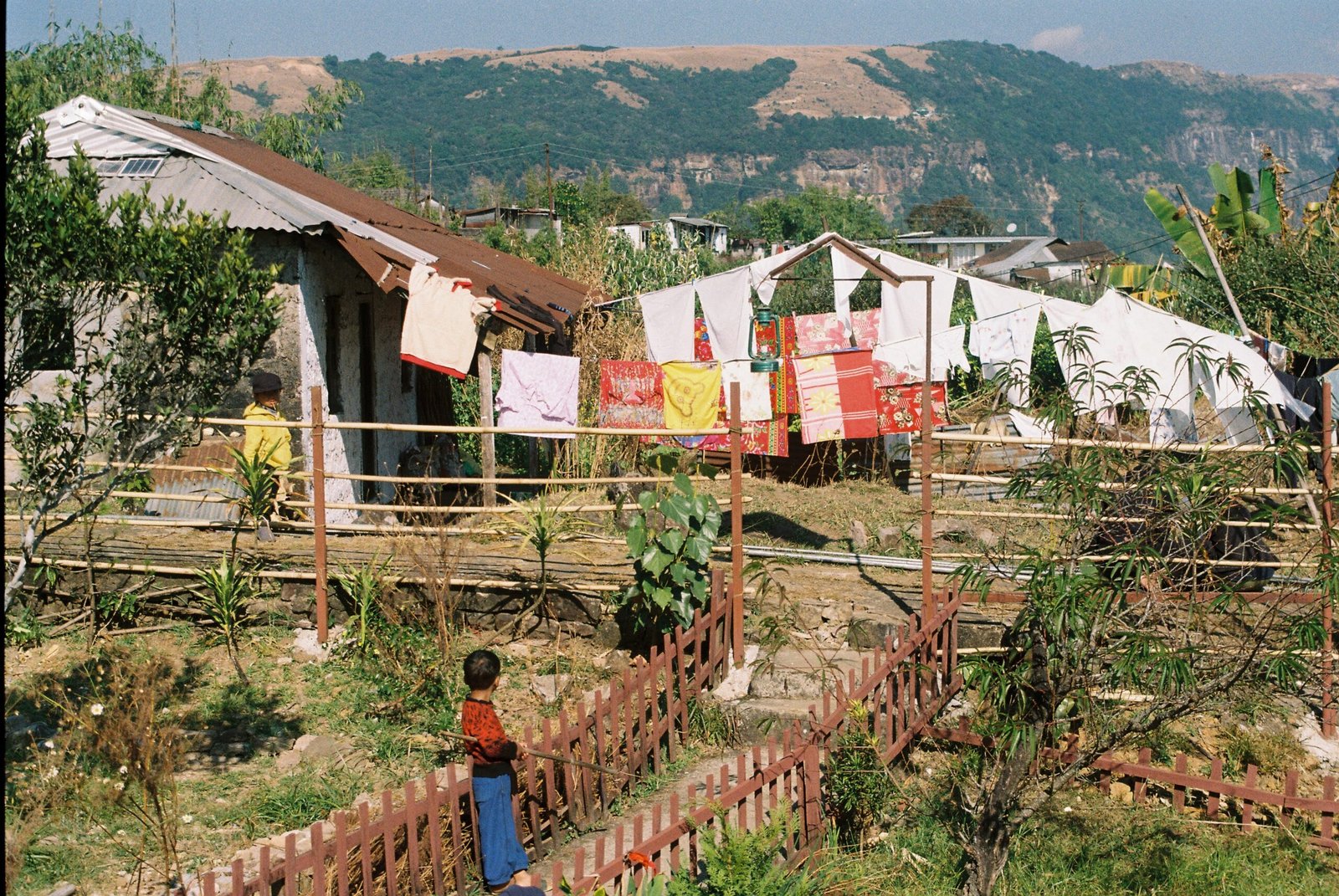
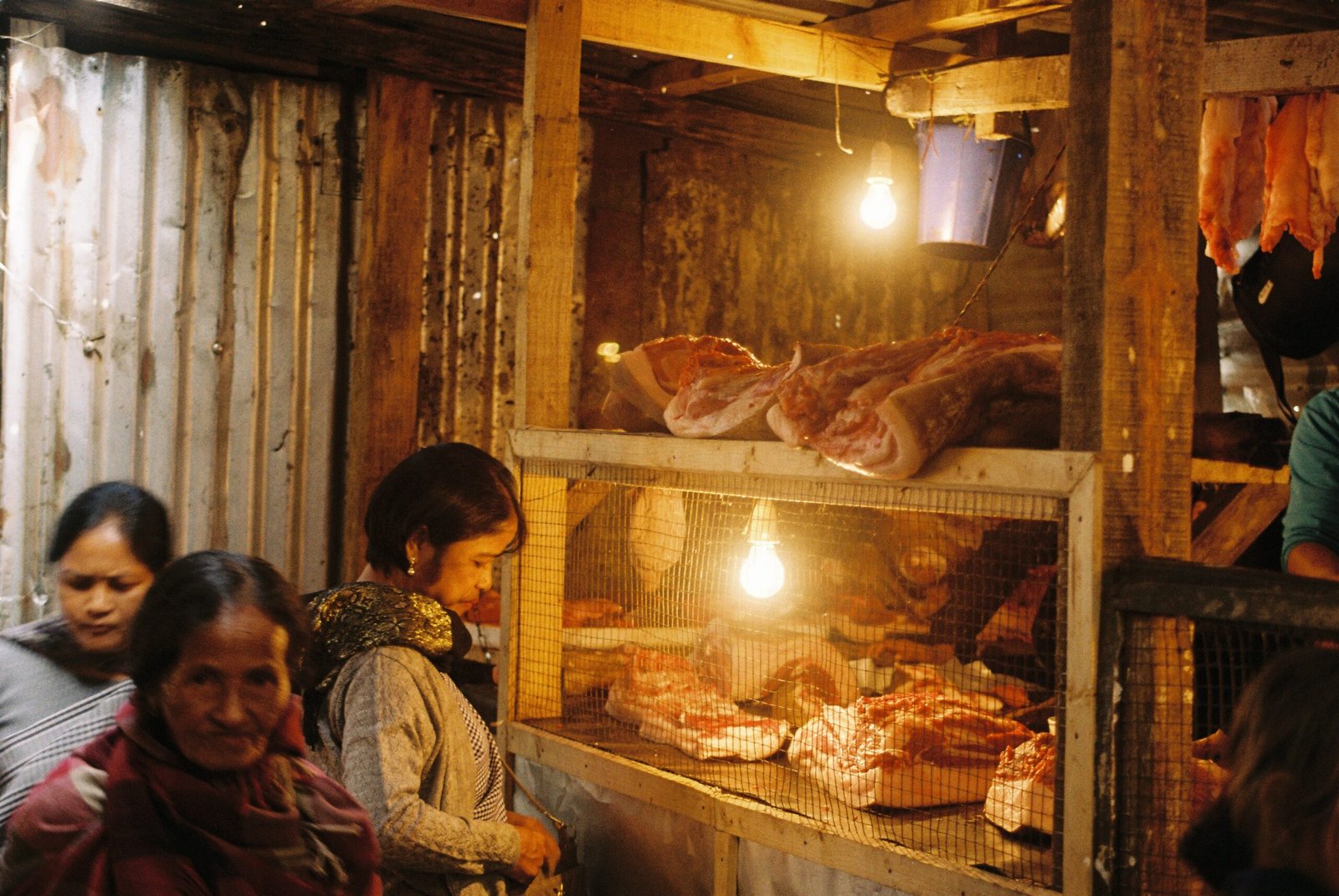
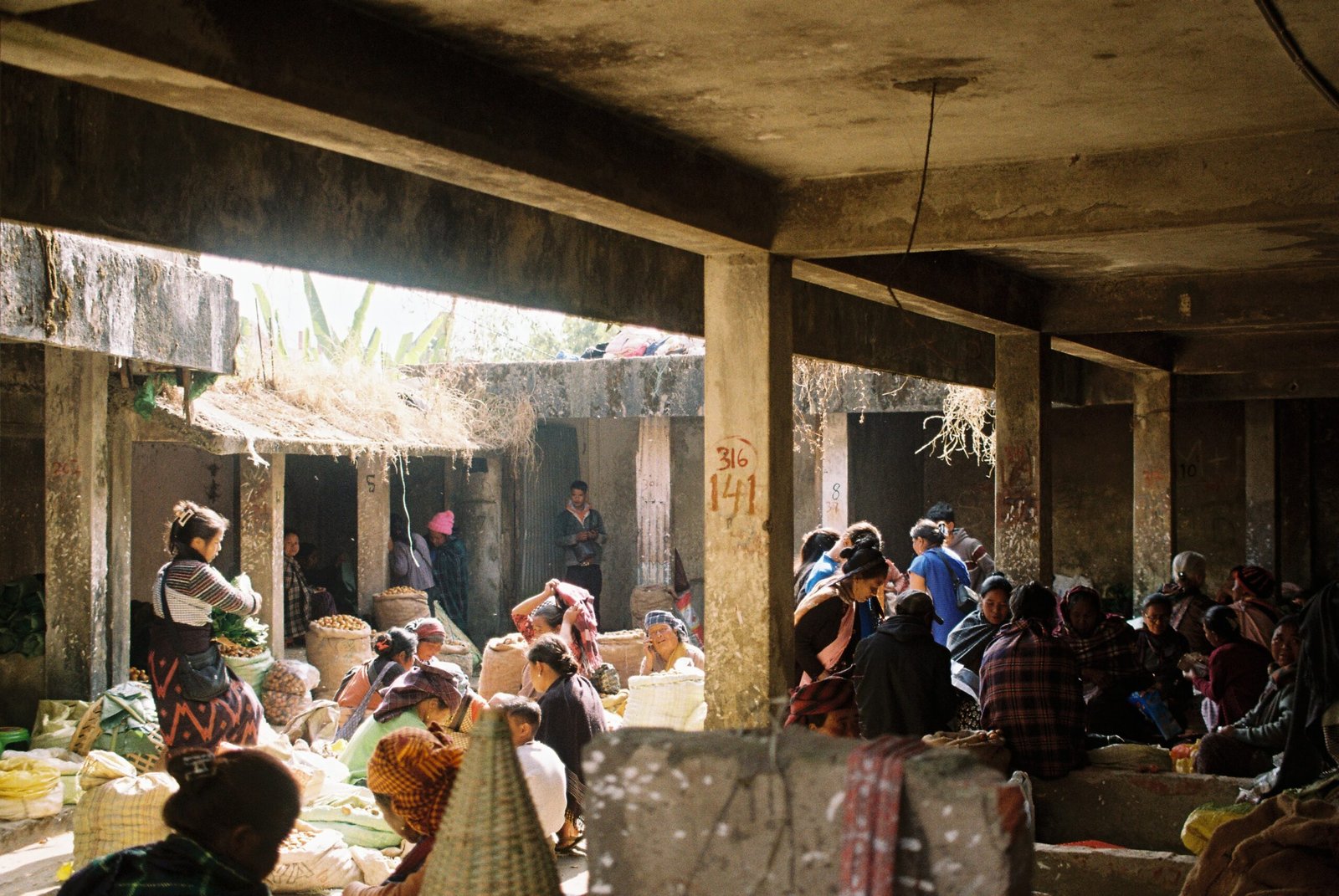
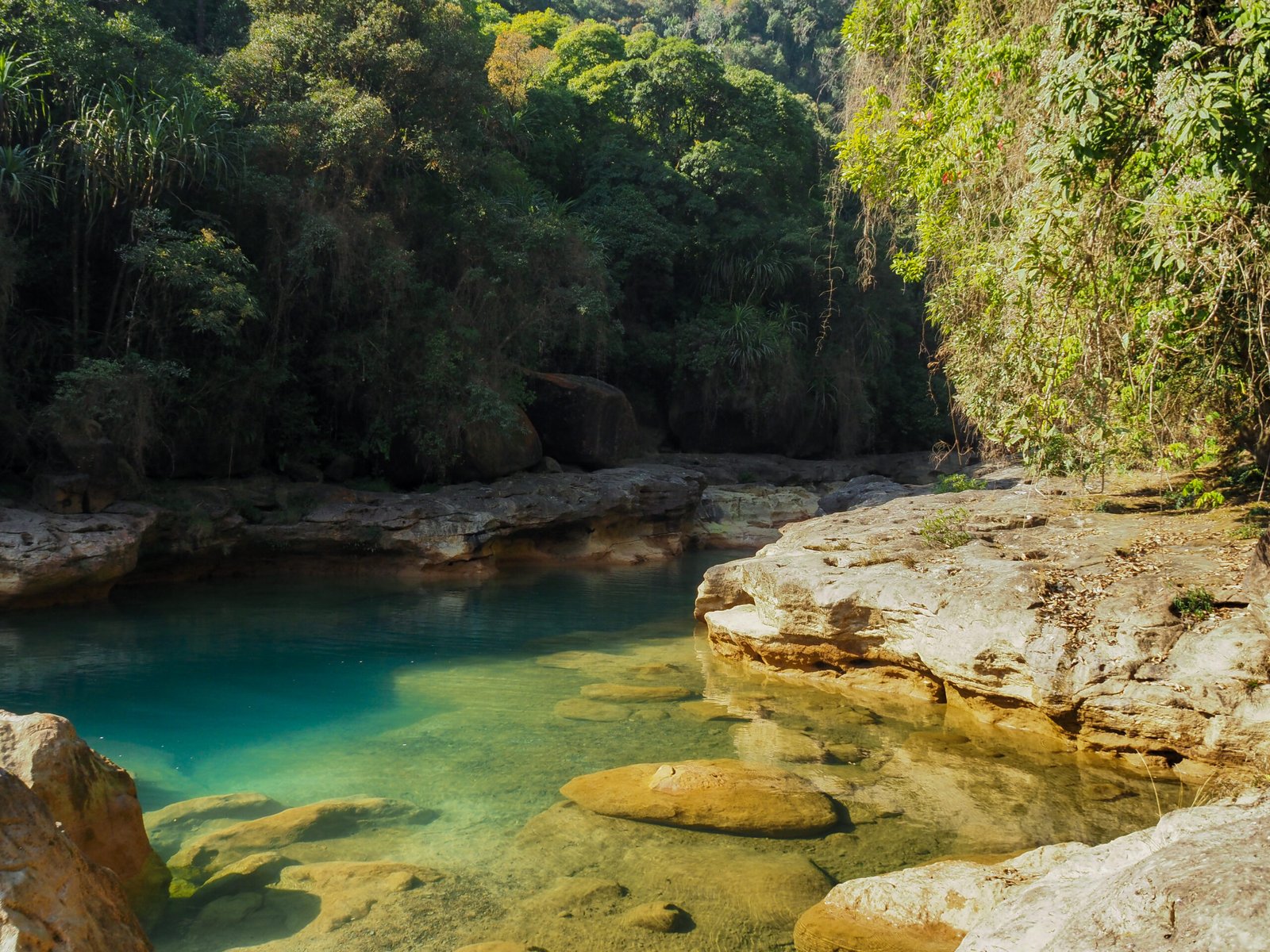
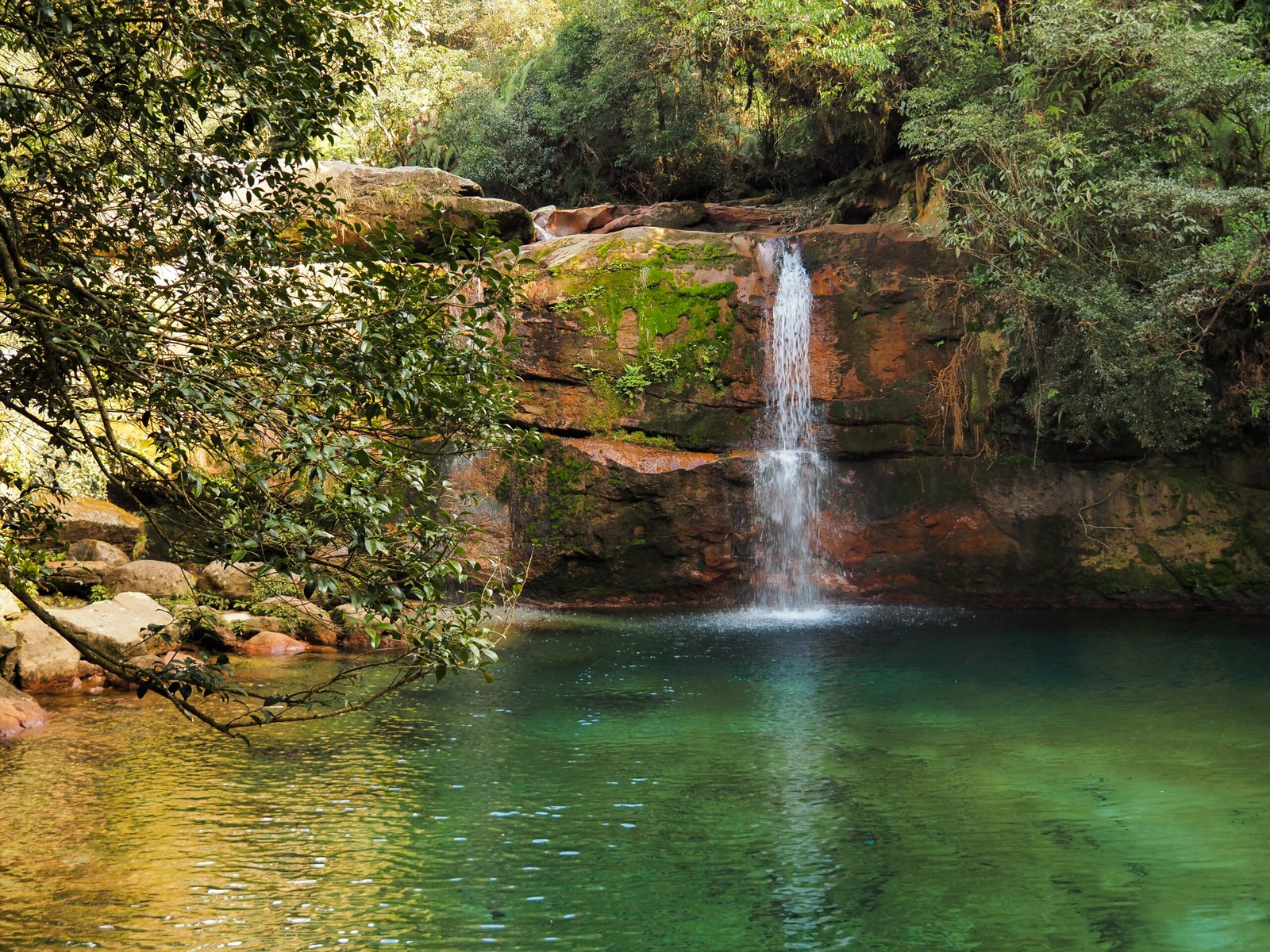
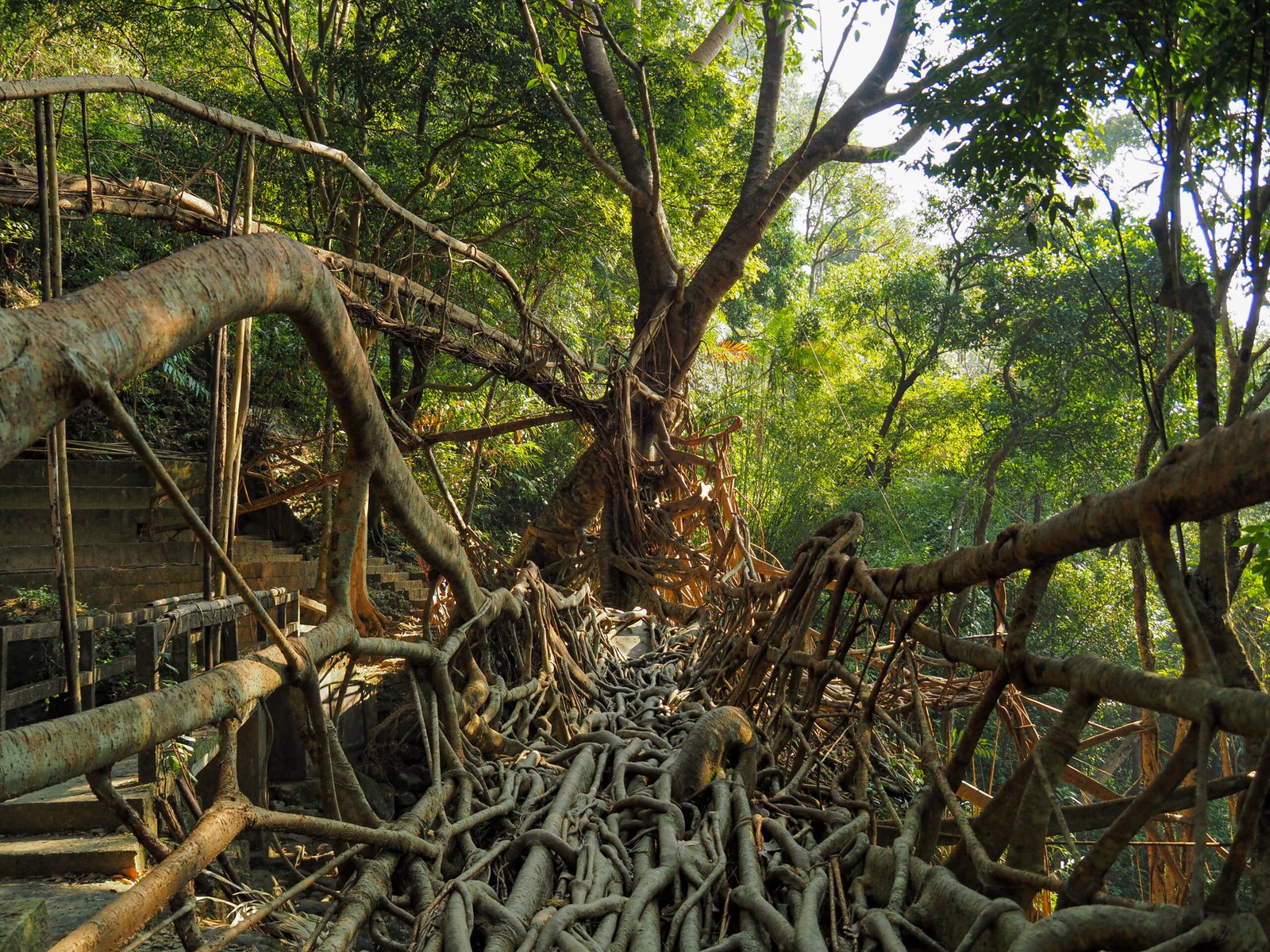
Traveling to Meghalaya feels like stepping into the natural scenery of a movie or fairytale. The region is teeming with breathtaking waterfalls, peaceful forest clearings, tall and skinny betel nut trees, dense jungle, crystal clear streams and extravagant rock formations. Exploring the region is a reminder of how nature is the ultimate queen of art and wonder, and here she has truly indulged herself.
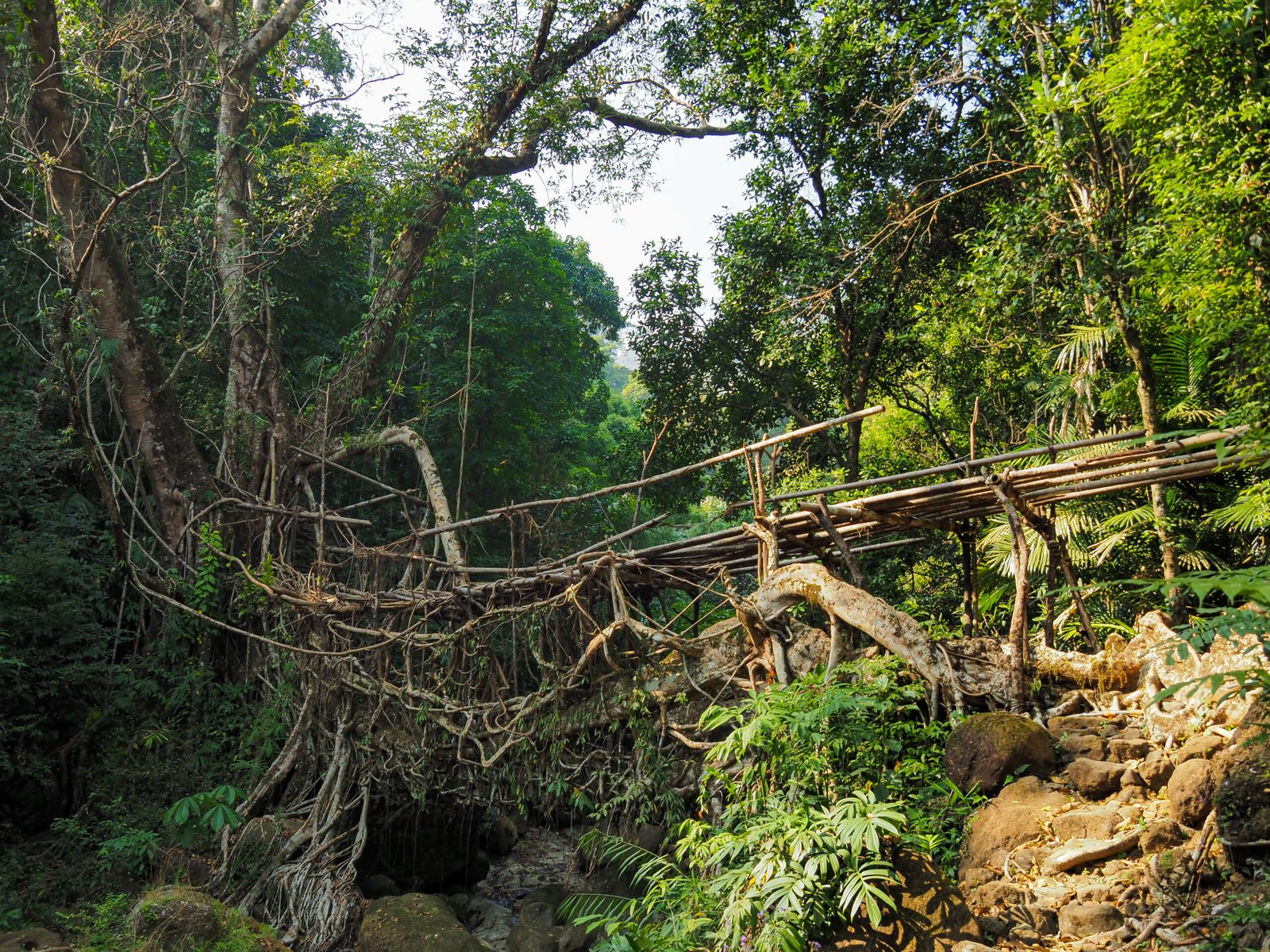
Something that cannot be missed when traveling to Meghalaya are its root bridges, breathtaking testaments of indigenous bio-engineering. They are built by Khasi and Jaintia tribes by guiding the trees’ long aerial roots across the river and making them intertwine to form extraordinarily sturdy bridges. Meghalaya hosts more than hundred root bridges, visiting some of them is a truly magical experience. Umkar and Ummunoi living root bridges allow to enjoy the visit without fighting the crowd of tourists, especially if you go early in the morning. Take your time to observe their breathtaking intricate beauty, walk on their sturdy and reliable structure and feel the knobbly and intertwined roots with your hands.
Cherrapunji is probably the best base from which to explore the region. The quite town sits on a mountain plateau overlooking a vast canyon, the people are warm and welcoming and the view is simply breathtaking. From here, numerous natural attractions are easily reached by car, and accommodation options are plentiful. There is a small local market which, on Sundays, turns into a bustling and busy space where clothes, meat, fish, fruit and vegetables are sold. The region has a majority Christian population, there are numerous small and big churches around town and during Christmas there’s a cozy, festive atmosphere, while the region is bustling with tourists who come here for the celebrations.
The region is truly blessed with many stunning waterfalls and rivers:
Waterfalls:
- NohKaLikai Falls: with their 340 meters plunge, these falls are truly breathtaking, in the rainy season especially, when you can admire their majestic beauty from the viewpoint. In winter you can explore the riverbed and even reach the very top point of the waterfall to enjoy the breathtaking view and the fresh breeze.
- Wei Sawdong Falls: quite touristic thanks to their relatively easy access via a steep bamboo staircase, but still beautiful, especially for their unique three-tiered structure and the blue-green-orange colour of their natural pools.
- Rangsohkham Falls: for the good things you have to work a bit, and these falls are a good example of this. Hidden out of the beaten way, the Rangsohkham falls offer a most likely private experience of the Meghalaya wilderness. A twenty-minute walk leads up the river, where locals gather to wash their clothes and cars, and into the dense forest. The jungle opens up to a crystal clear pool of freezing cold water, make sure you get there early in the morning, when the sun filters through the branches of the tall trees and glistens on the pool at the foot of the waterfall.
Rivers:
- NohKaLikai top riverbed: during the dry season, the low water level allows access to the riverbed with its smooth large pavement and artistic rock formations and to enjoy the crystal clear (and freezing) water of its stream surrounded by the dense green forest.
- Mawrynkhong Shella River: unstable looking bambù bridges laying on big round and smooth rocks join parts of this big river at the border with Bangladesh. The water is blue, clear and rejuvenating. Explore the riverside to find the right spot for you, in the most popular ones women are not allowed to swim in bikinis.
- Shnongpdeng Dawki River: probably the most popular river spot in Meghalaya, it’s supposed to have the clearest water of all and for that reason hundreds if not thousands of tourists come here to rent a canoe, paddle on its waters and then camp in one of the many busy campings on either side of the river. If the weather is cloudy, the water will be as good, if not less, than many other spots in the region, and the overwhelming crowd and extremely busy traffic to reach Shnongpdeng will feel like a big waste of time.
Type of accommodation: beautiful double rooms with private bathroom and breathtaking views
Food: delicious home-cooked meals, breakfast included
Price: around 20€
“Nest” is really the perfect word to describe this homestay. It is composed of only three rooms owned and managed by a lovely family who makes you feel at home right from the start. The father is a local guide and is always on hand to provide tips and arrangements to explore the natural attractions of the surrounding area, the mother is an excellent cook and looks after the house, while their three children help out with the family business and lend a hand with the housework. Another highlight of the place is its rooms, with stunning views over the valley and of the sunrise in the mornings.
Softender Nest, Cherrapunji
Type of accommodation: Big, clean and beautiful rooms
Food: Breakfast included. Delightful, freshly prepared and generous dinner every evening
Price: Around 25€
Located south-west of Cherrapunji, surrounded by tall betel nut trees and facing the vast green plains of Bangladesh, this homestay offers a remote retreat back into nature. It is within walking distance of the Umkar and Ummunoi living root bridges, offering an easy access and the chance to avoid the crowds by exploring early in the morning. The owner is very friendly and responsive, not to mention the sweet aunty who looks after the place with her large and kind family.
Ha La iing, Siej
KERALA: Kochi, Munnar, Kollam, Varkala
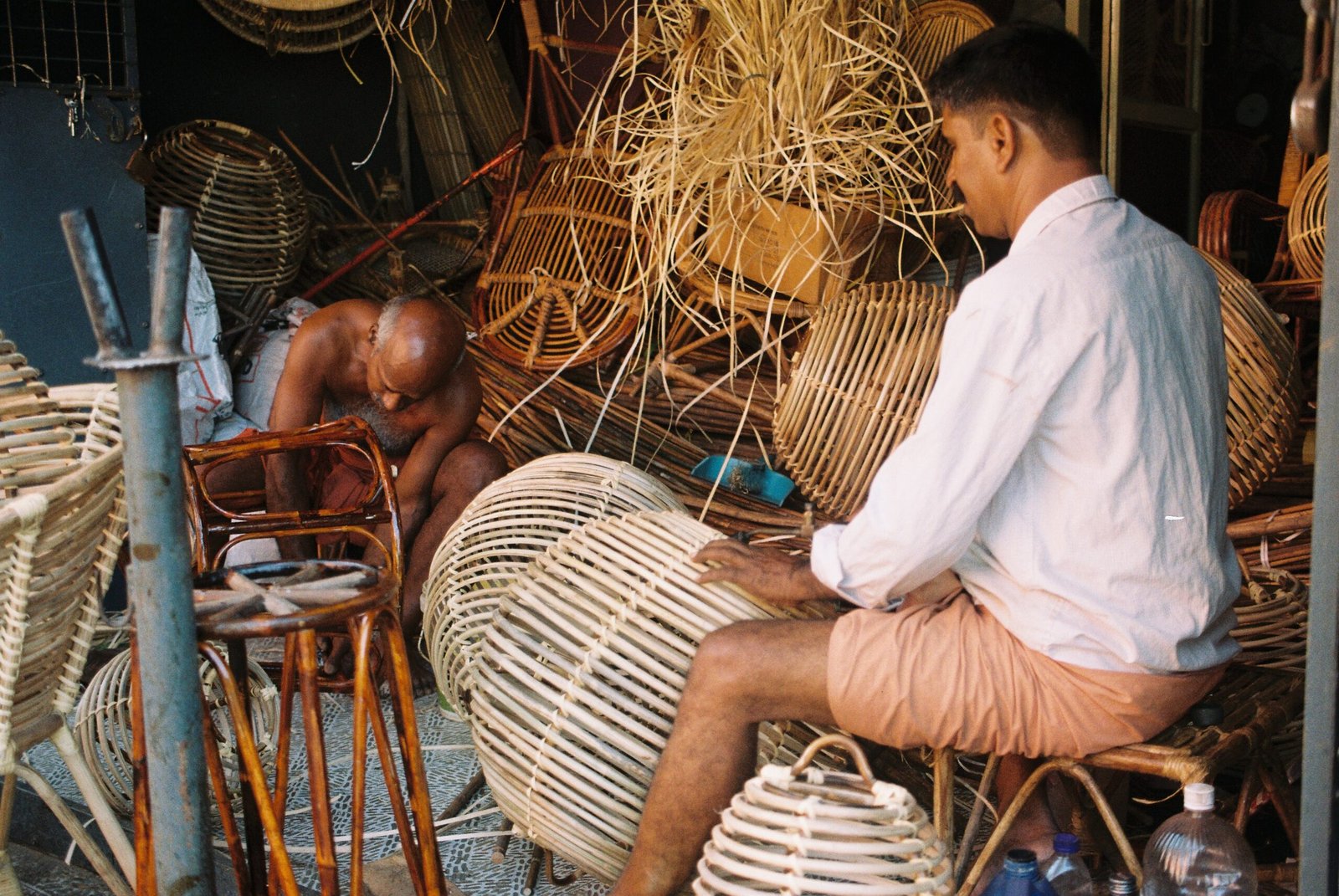
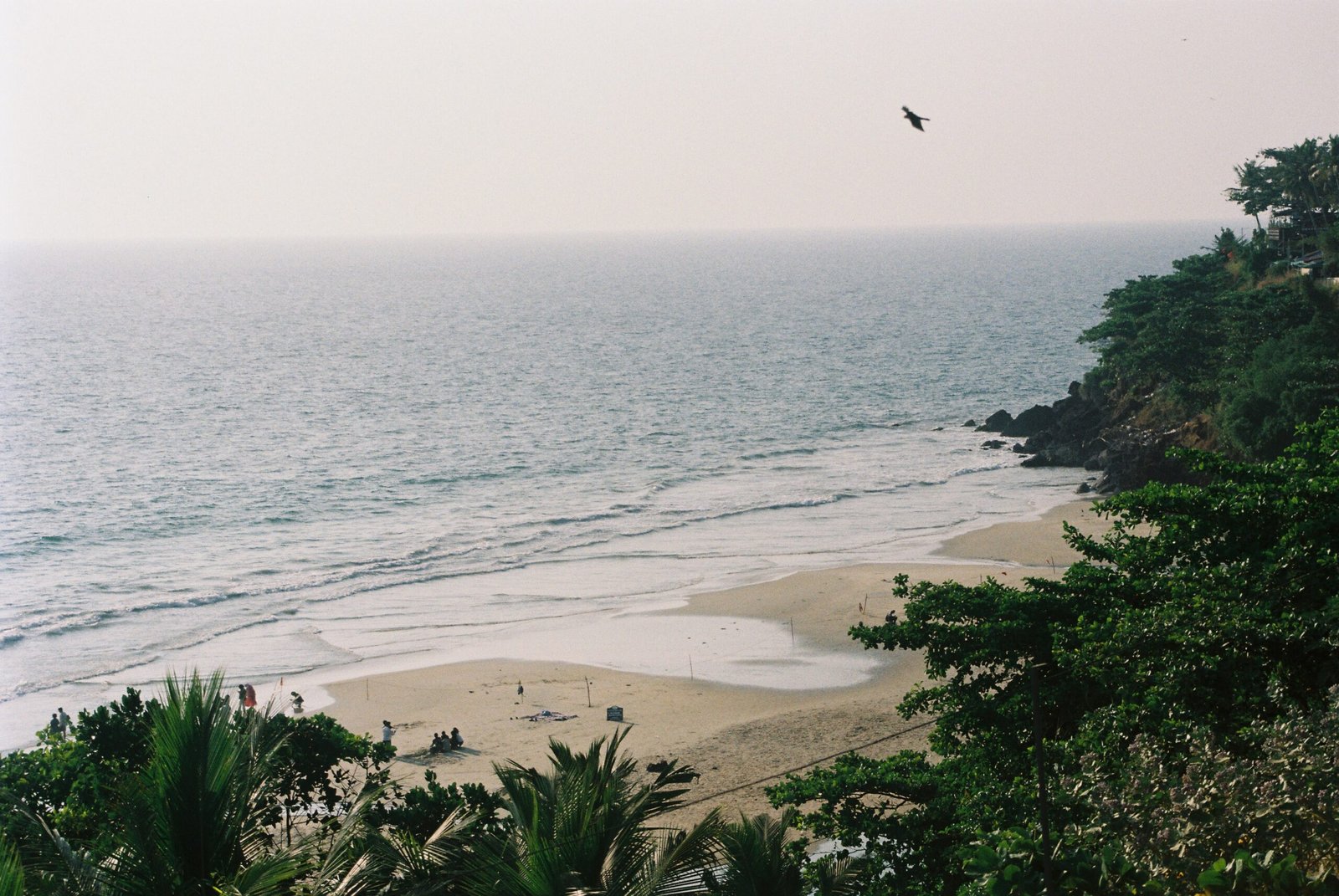
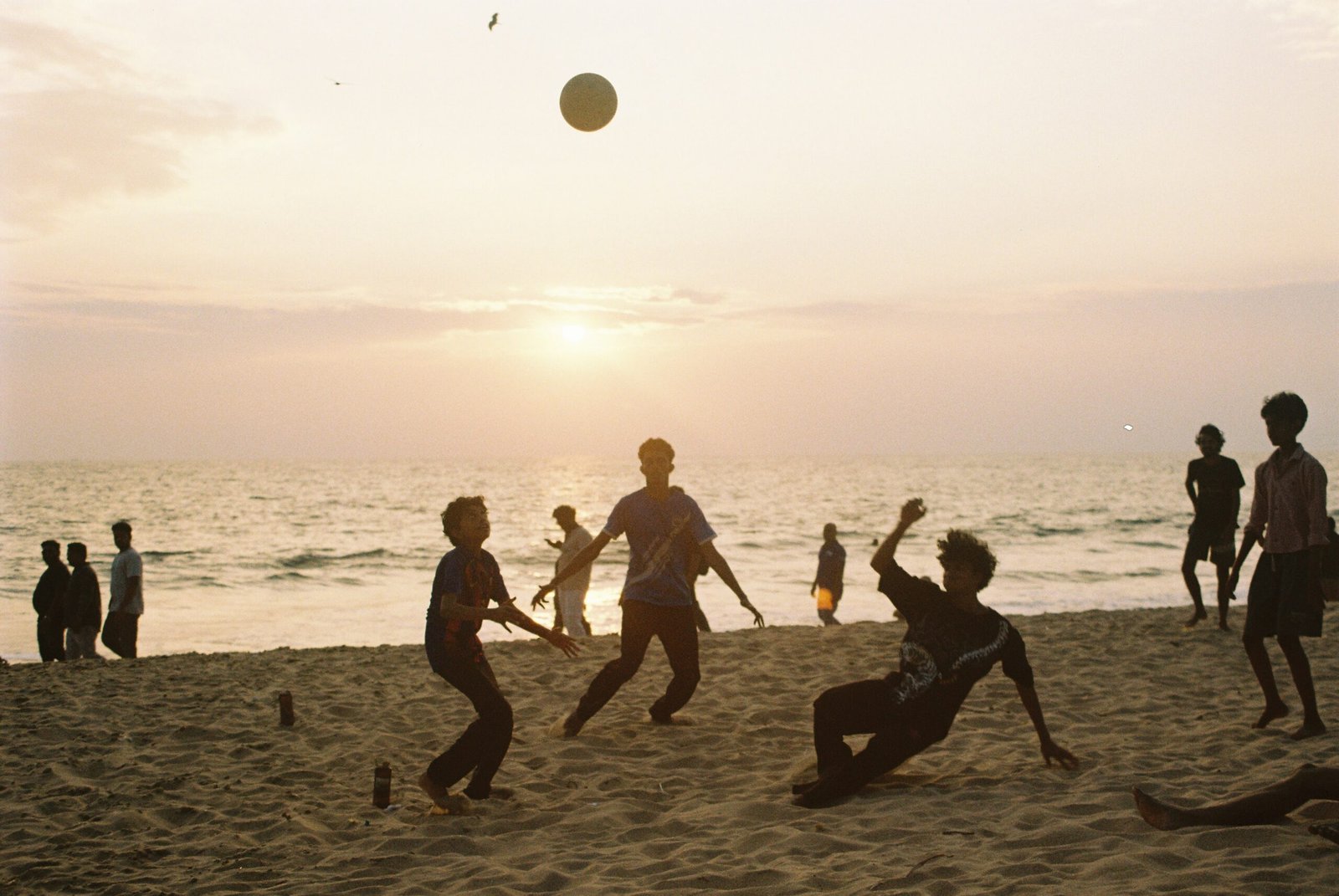
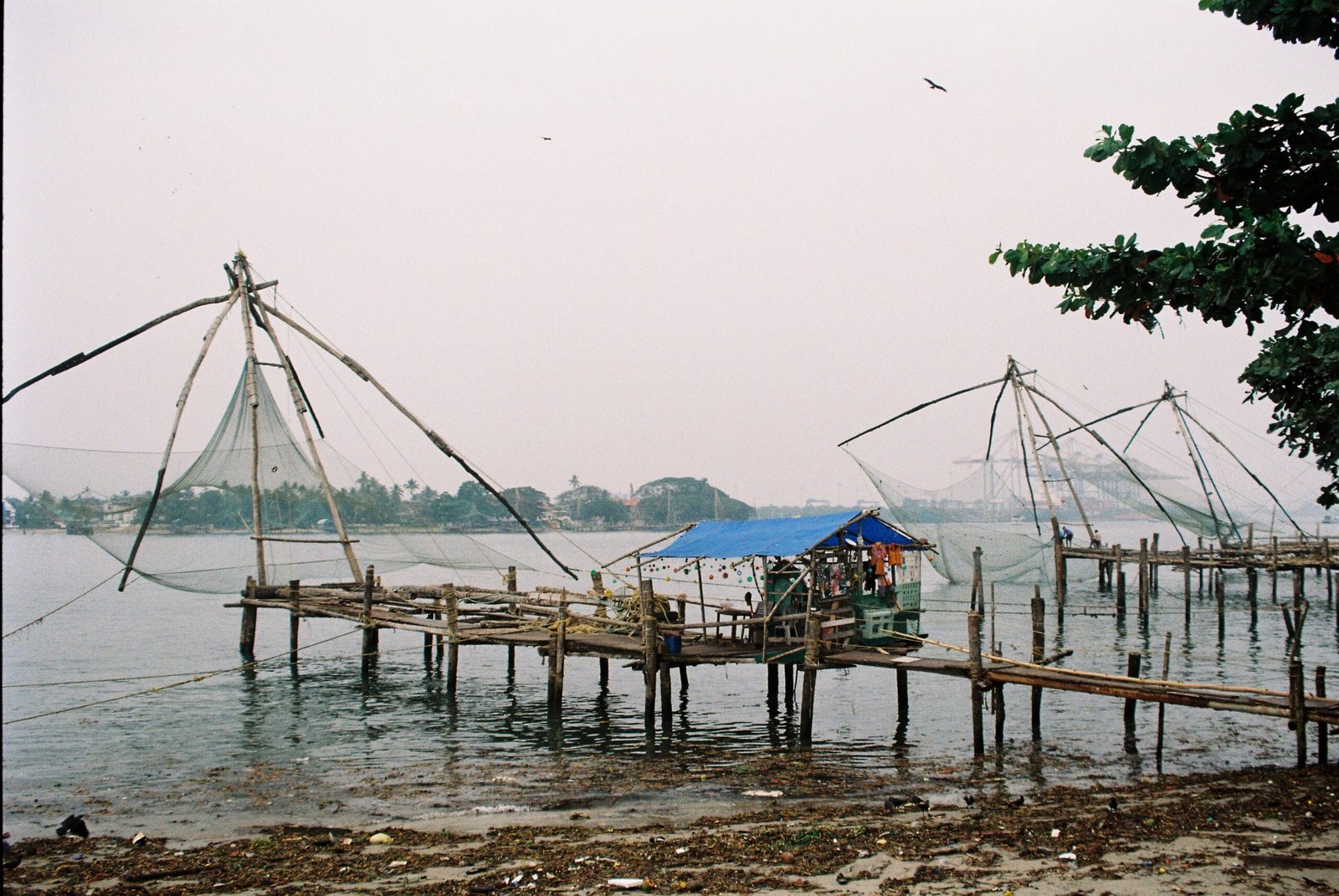
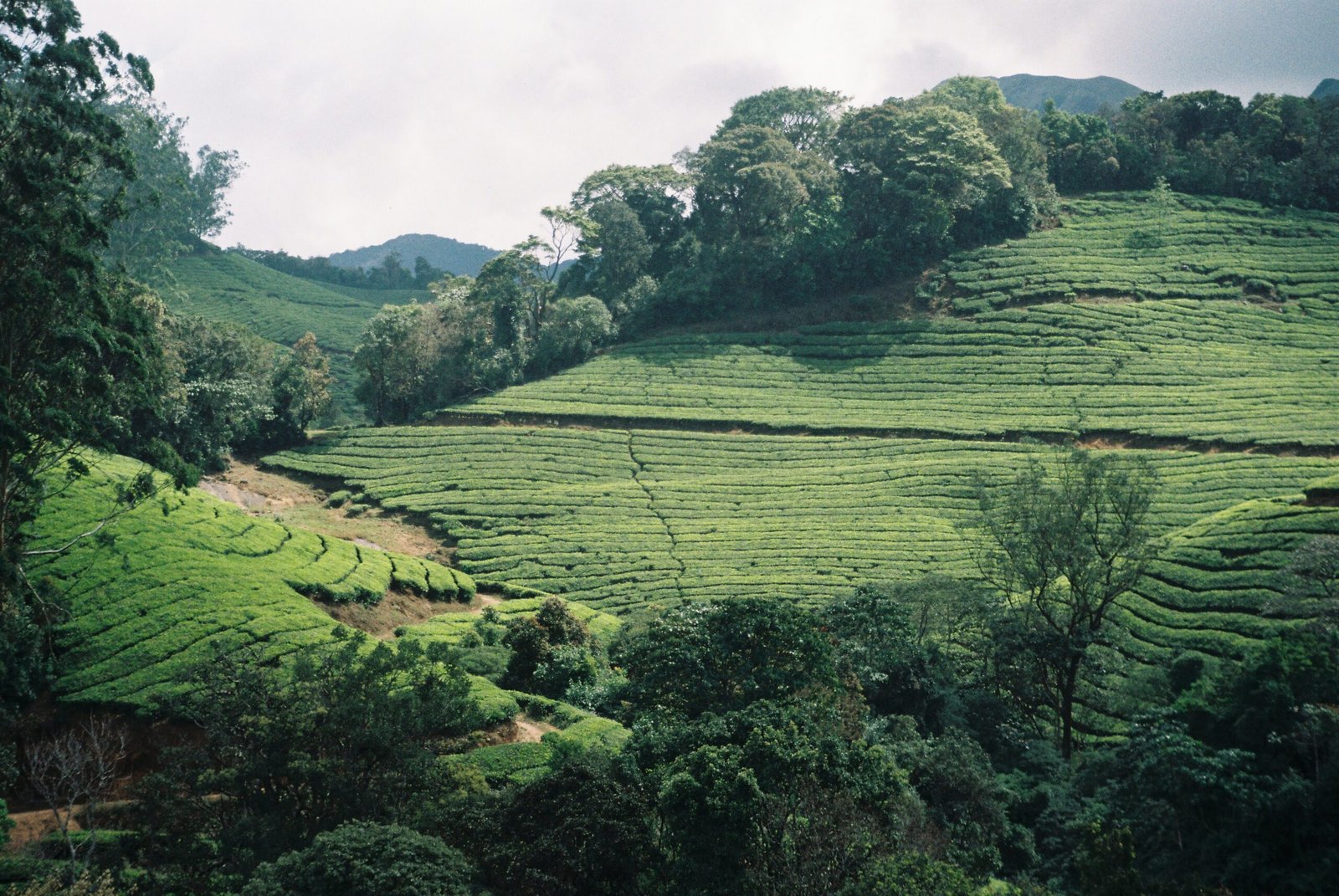
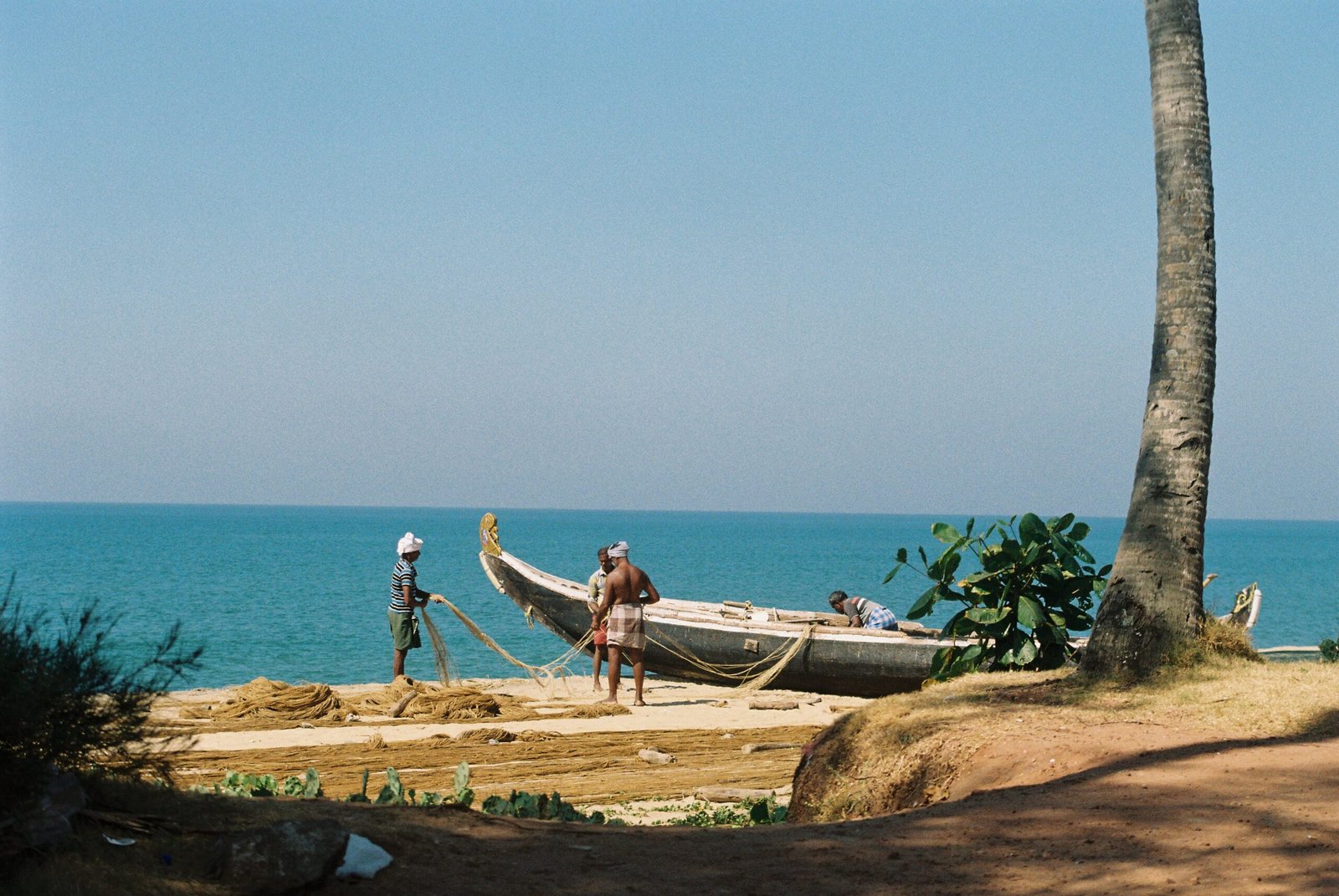
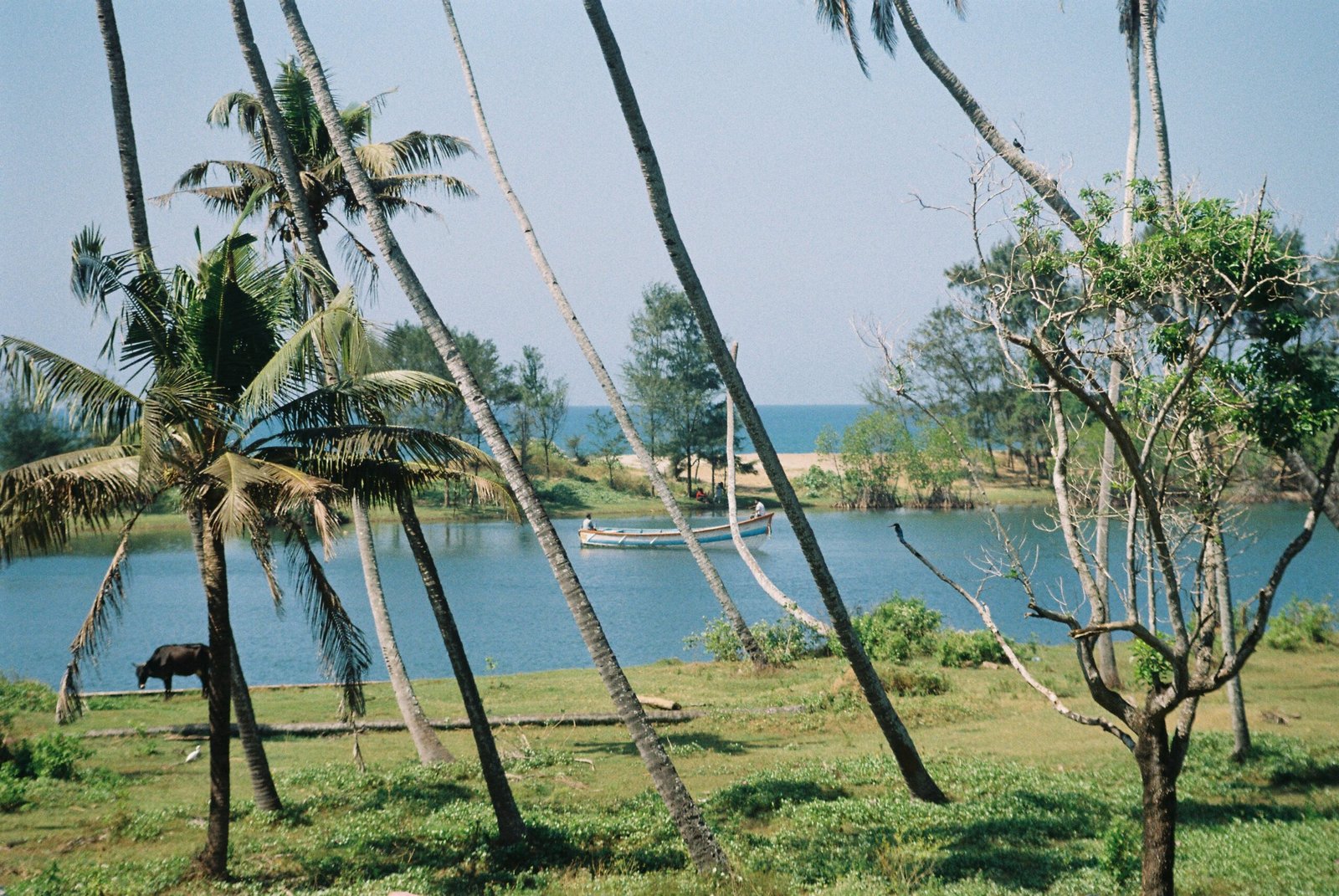
Kochi is a vibrant city and the perfect starting point to explore Kerala region. In Fort Kochi, a neighborhood of the city, big piles of opened coconuts sit at the side of local vendors’ carts, contemporary art galleries and European-style cafés are housed in colorful heritage and colonial buildings, and giant, centuries-old rain trees overlook parks and streets of the city centre. The Chinese Fishing Nets (Cheena Vala) stand majestically in the waters off Fort Kochi Beach and are perhaps Kochi’s most impressive attraction.
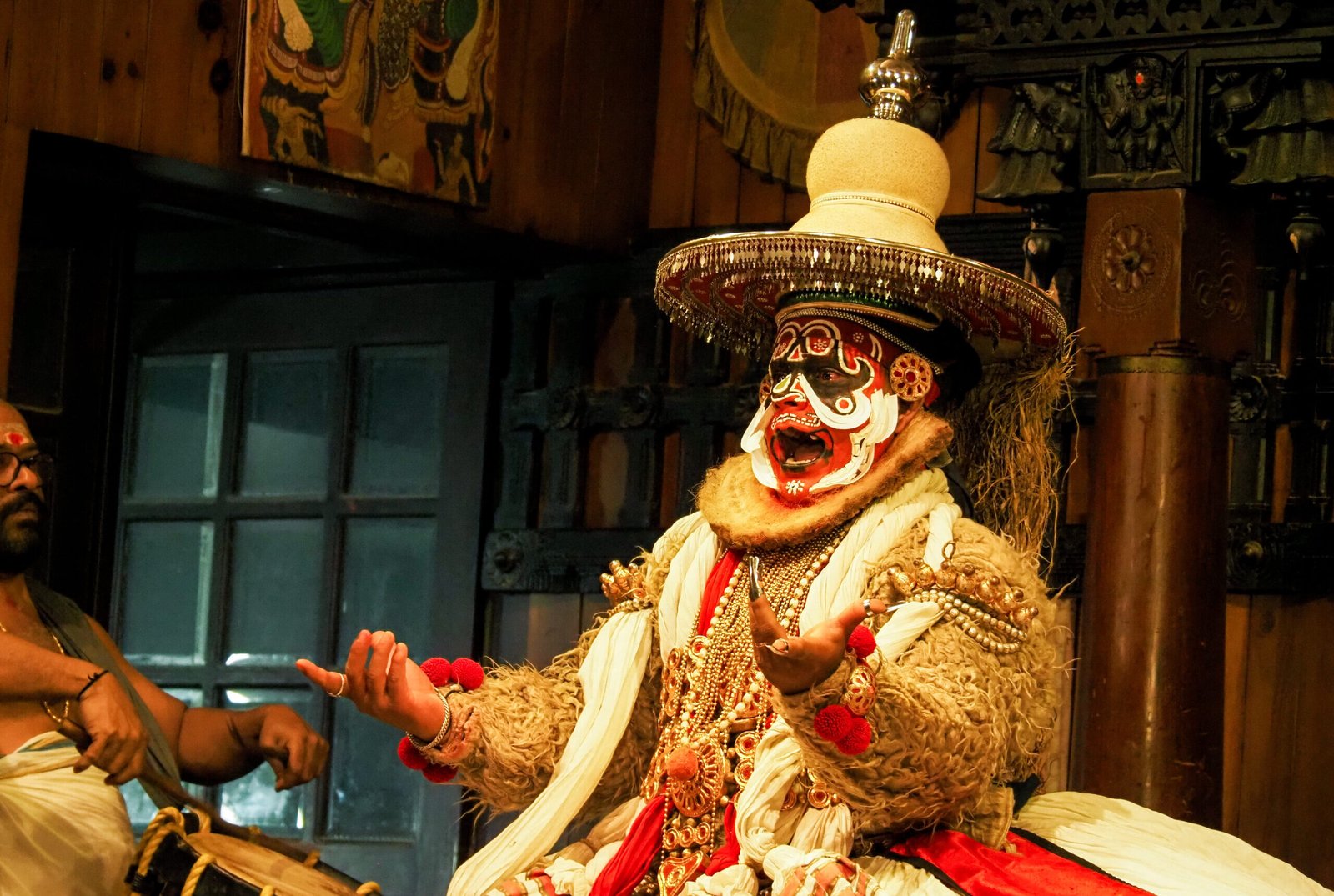
The region boasts a rich and unique culture reflected in its delicious cuisine, in the ancient martial arts of Kalaripayattu and the arts of dance and theater (Kathakali). The latter is a 400-year old traditional dance drama acting out tales from Hindu epics, it involves brilliant colorful, elaborate makeup and impressive stage costumes. The expressive storytelling unfolds through complex facial expressions, theatrical eye movements, and hand gestures (mudras).
A few hours away from the bustling port city is Munnar, with its lush hills covered in a brilliant green carpet of tea plantations and its vast gardens where the local people cultivate and cherish Ayurvedic recipes based on countless spices and medicinal plants. The best way to enjoy the energy of this magical pace is to rent a moped and drive aimlessly up and down the plantation hills, stop along the way for a cup of warm brewing tea and shop at the spice gardens for delicious spices and Ayurvedic products suited for every need.
The state of Kerala truly has everything one could wish for and, as well as its bustling towns and green hills, one cannot possibly miss out on the coastline, with salty ocean waves breaking on the long sandy beaches. The area around Kollam is a low-key and off the tourist map oceanside destination. Here you will find no tourist attractions and fewer accommodation options than other better known areas of the region, but a relaxed atmosphere, packs of dogs roaming the beaches and cows grazing undisturbed the green areas around, families flying kites at sunset and fishermen meeting on the beach at dusk.
A completely different coastline experience is offered by the nearby town of Varkala, Here the tourist accommodation options are really plentiful and the overpriced cafes have a strong western vibe; nevertheless Varkala still retains a special charm. This touristy town offers breathtaking beaches framed by spectacular red sandstone cliffs, delicious seafood dinners, vibrant centres dedicated to art, music and yoga, as well as bustling shopping markets.
Separating these two cities are a couple of dozen kilometres of coastline featuring stunning and quiet backwaters. Driving with a moped along the coast will offer extraordinary views of the ocean on one side and of the tranquil backwaters on the other, making the trip feel like a magical experience on its own.
Type of accommodation: double rooms with AC, with and without private bathroom and balcony
Food: food is not available at the homestay, but there are many options nearby and a good restaurant that delivers food directly to the room
Price: around 12€
This homestay is located centrally in the Fort Kochi peninsula but on a quite secondary road, enjoying therefore the peacefulness of being away from the main areas of this often busy neighbourhood. The couple that runs it is welcoming and responsive, the rooms are big and spacious, and have everything you need for a comfortable and cosy stay.
Bethesda Inn, Fort Kochi
Type of accommodation: Big rooms surrounded by nature
Food: Abundant local breakfast included. Tasty dinners served to the room or in the common areas
Price: Around 20€
This property is bigger and more resort-like than the usual homestays suggested on this website. Nevertheless it offers a warm, family-style welcome and a full immersions into the jungly environment that characterises the Munnar region. Right nearby, the Cinnamon Gardens Spices Plantations provides interesting guided tours of the spice gardens and of the spice and Ayurvedic products shop.
Green Shades, Munnar
Type of accommodation: entire house with all the comforts
Food: the kitchen is fully equipped for you to cook, numerous supermarkets and markets in town for supplies
Price: around 25€
This is a truly special place, an entire house with a garden, kitchen, bathroom, double bedroom and living room equipped with all comforts. But the real gem of this place is what lies just outside the gate: direct access to a beautiful and often completely deserted beach. Your days here will be spent swimming in the ocean in the mornings; chatting with the friendly Clements, the father of the owner, Jose; popping out to the local fruit and vegetable market in the town centre; enjoying seafood barbecues at home; and watching romantic sunsets right in front of the house.
Sunset Beach House, Kollam
Type of accommodation: basic rooms without AC
Food: Breakfast not included, the family can prepare meals on request. There is also an equipped kitchen for the guests.
Price: 22€
Among the myriad of accommodation options available in Varkala, this is truly a hidden gem. The atmosphere feels simple, joyful and welcoming, like its owner Pappu and his family. The homestay is sitting right at the edge of the Varkala cliff and the sun sets every night on the blue horizon ahead. It has a beautiful and comfortable common area where you can enjoy the stunning view on the ocean, an old dog laying peacefully in the garden and a small kitchen where you can cook for yourself.