Tanzania
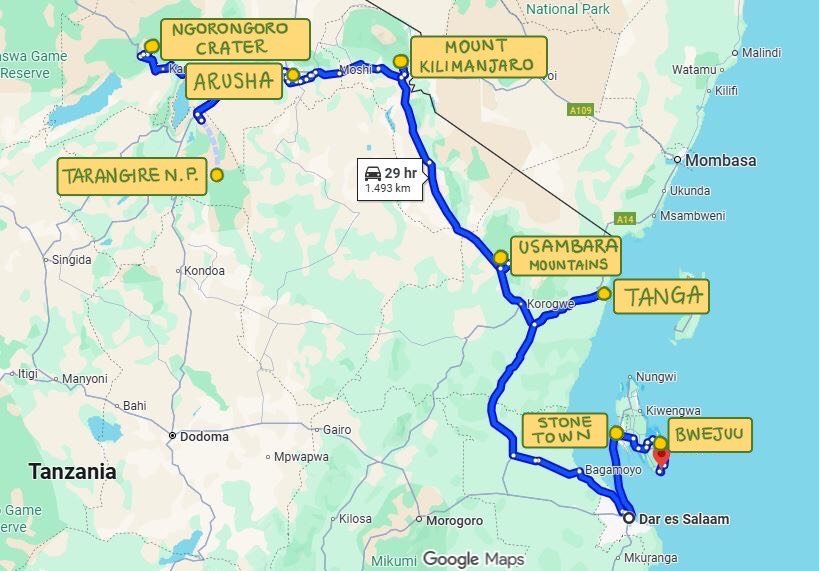
ARUSHA - SAFARIS - MOUNT KILIMANJARO - USAMBARA MOUNTAINS - TANGA - ZANZIBAR
The first thing my mom told me when I announced my upcoming trip to Tanzania, my first time in Africa, was “Oh how exciting, you will get Mal d’Africa”.
Mal d’Africa is an Italian expression which indicates that sense of nostalgia you get once you leave Africa, it’s a feeling of longing, of wanting to go back, almost a necessity, it’s the emotion of having left a piece of your heart in a place far away. Literally, Mal d’Africa could be translated into something like “Africa sickness,not well being”, you would get it in the same way you could get a disease, and this one it is said not to be curable.
Growing up with my mum I can say it is a very truthful expression. She visited Kenya more than 40 years ago. Her eyes still brighten up every time Africa is mentioned in a conversation, she has a collection of african masks hang over the wood stove, she would sing lullabies in Swahili to my and my brother at bedtime, as a child I would stare for hours at the photo of her smiling surrounded by tall guys holding long sticks in colorful outfits, surrounded by the orange plains of Kenya.
I heard that same African lullaby sung by a Tanzanian young woman grinding coffee beans in a big stone mortar, in the green and windy East Kilimanjaro. I felt like, just for a moment, I was being reunited with a piece of heart that had been far away forever.
If you want my opinion, I think Mal d’Africa might be the best sickness in the world. But if you still want to avoid getting it, then I might suggest you not to go to Tanzania. Its vibrant energy, its colorful culture, its deep looks and its elegant and bright smiles, its sweeping musical notes, its simple and rich life, its slow rhythm, its overwhelming scenery, its simple sense of humor, its primordial connection to nature.
That’s what you are going to experience if you go to Tanzania, that is the piece of heart you are going to leave there.
COUNTRY OVERVIEW
CURRENCY
Tanzanian Shilling (= 0,00034 Eur as of Sept. 2025)
LANGUAGES
Swahili, English
TIME ZONE
GMT +3
PAYMENTS
Generally possible with credit and debit cards, banks in every main city to withdraw and exchange money
PHONE
Local SIMs available and relatively cheap, but there is not always connection and electricity
WEATHER
Rainy season November - Decemeber and mid March - May
Arusha and surroundings
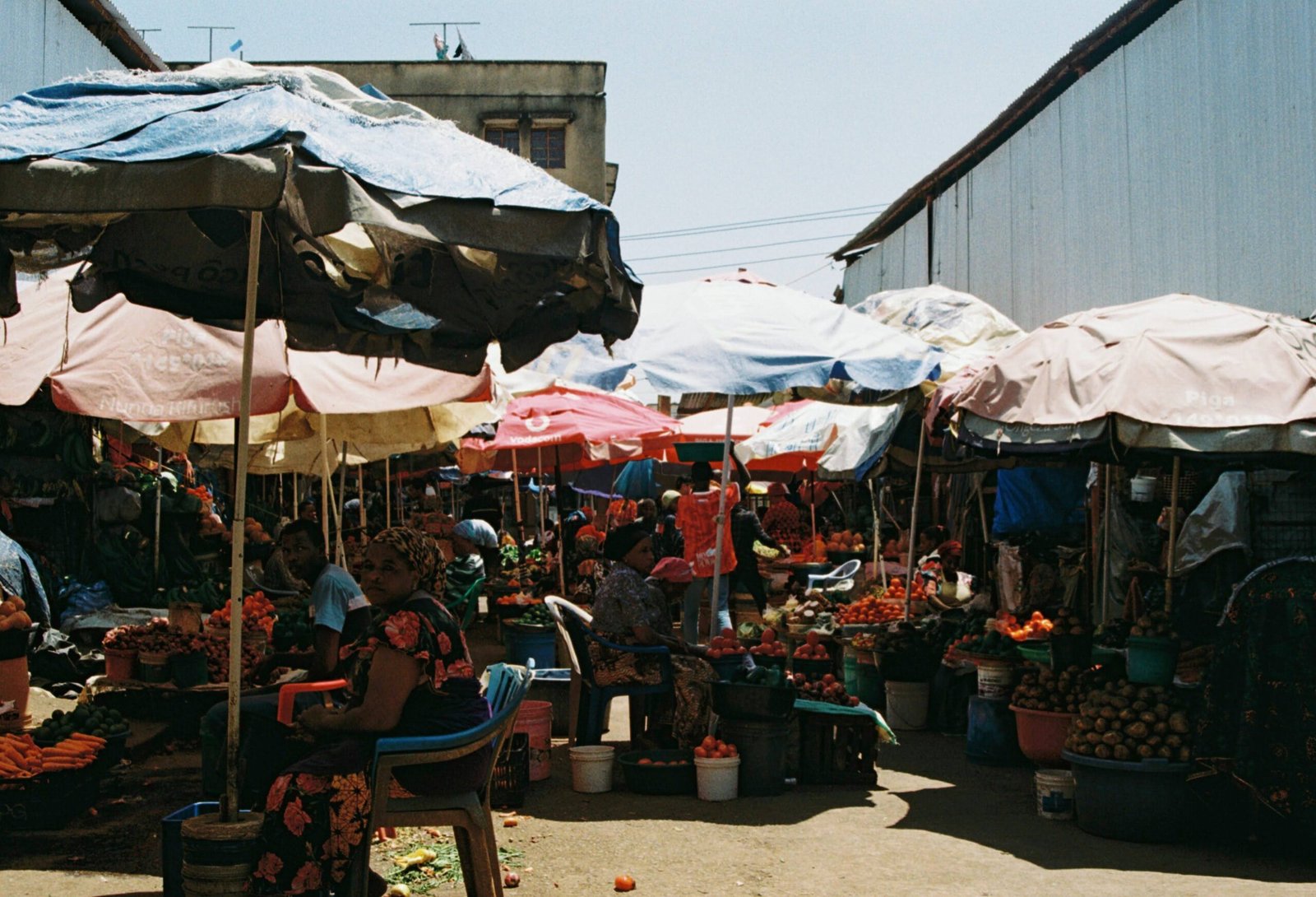
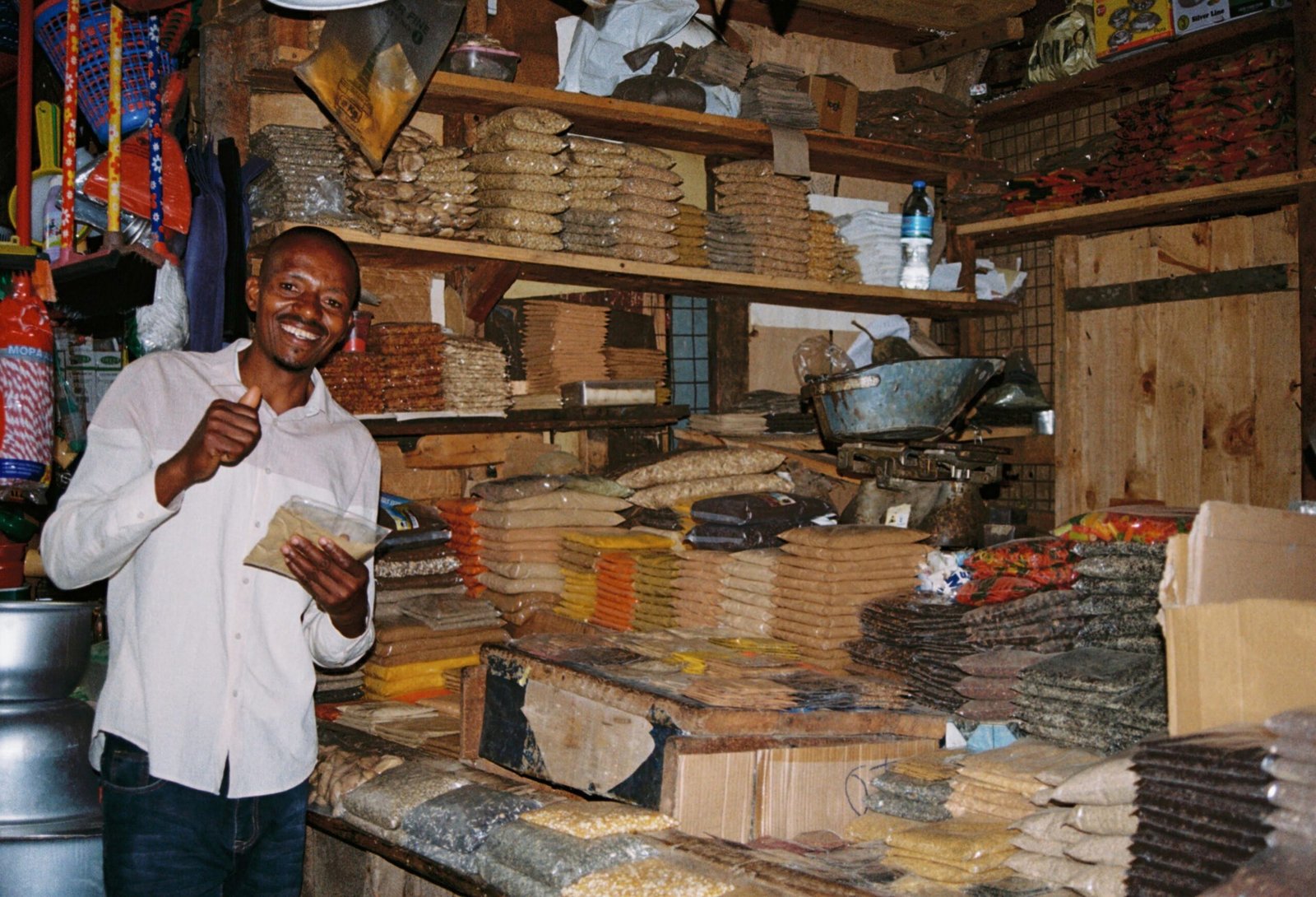
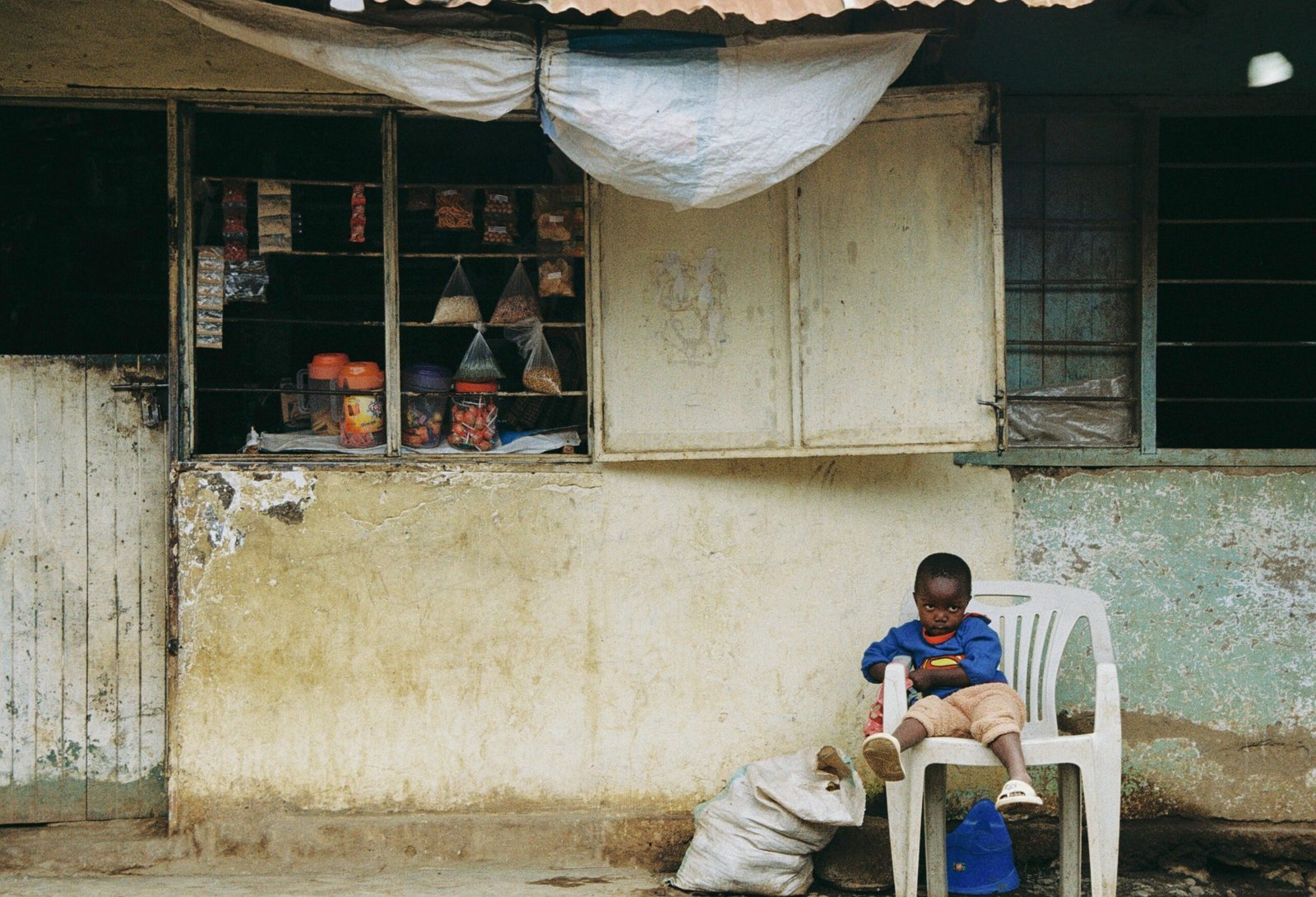
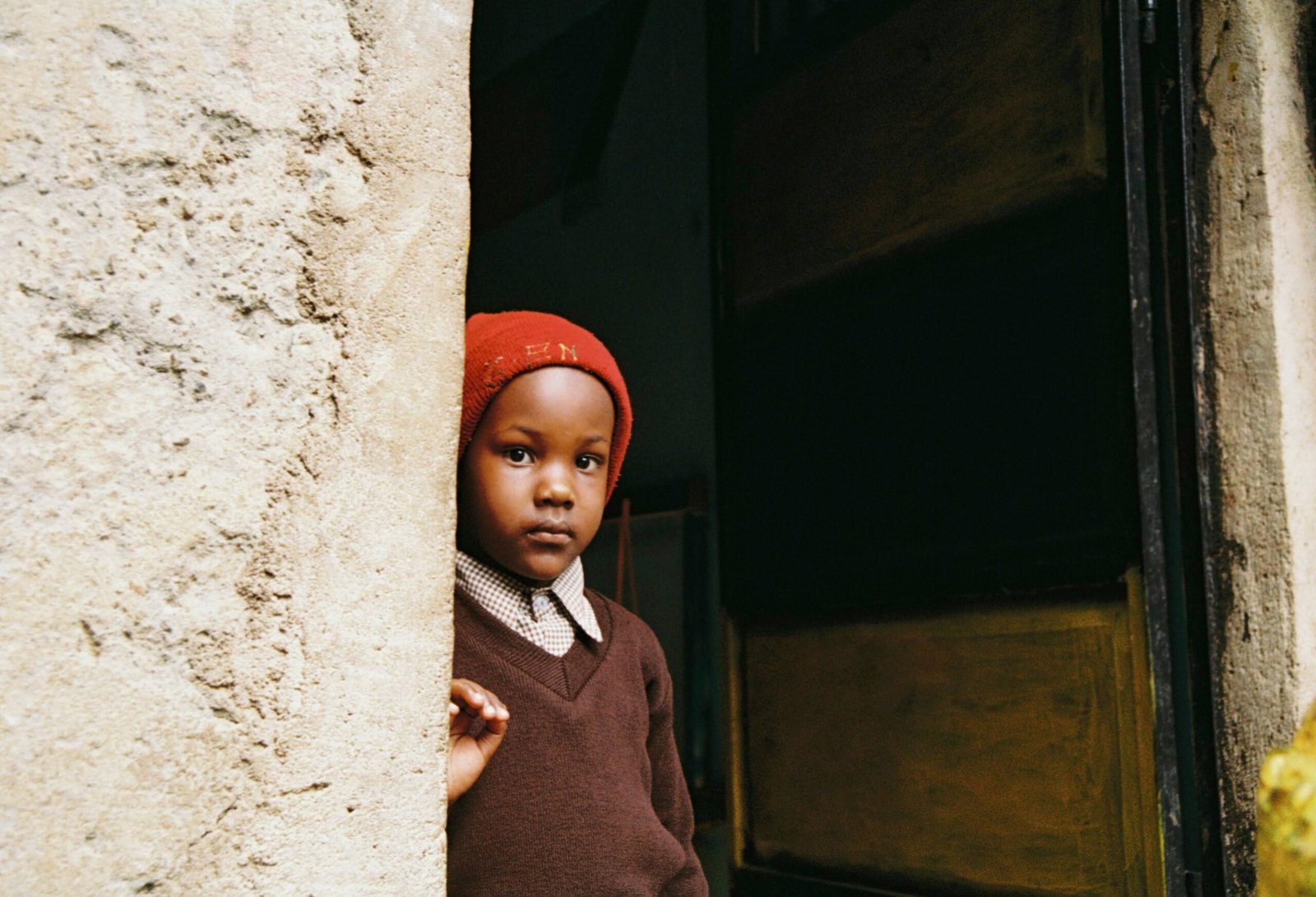
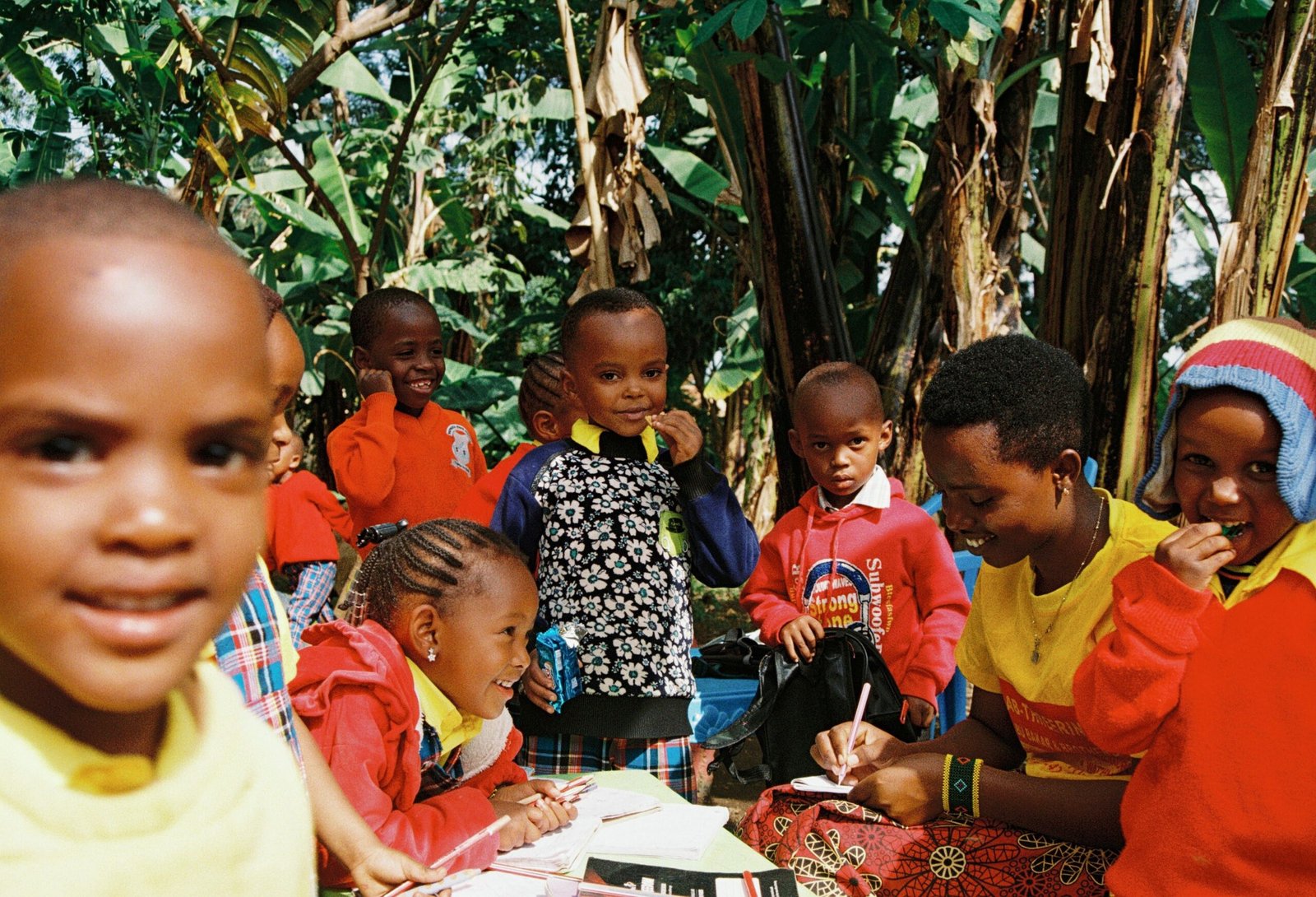
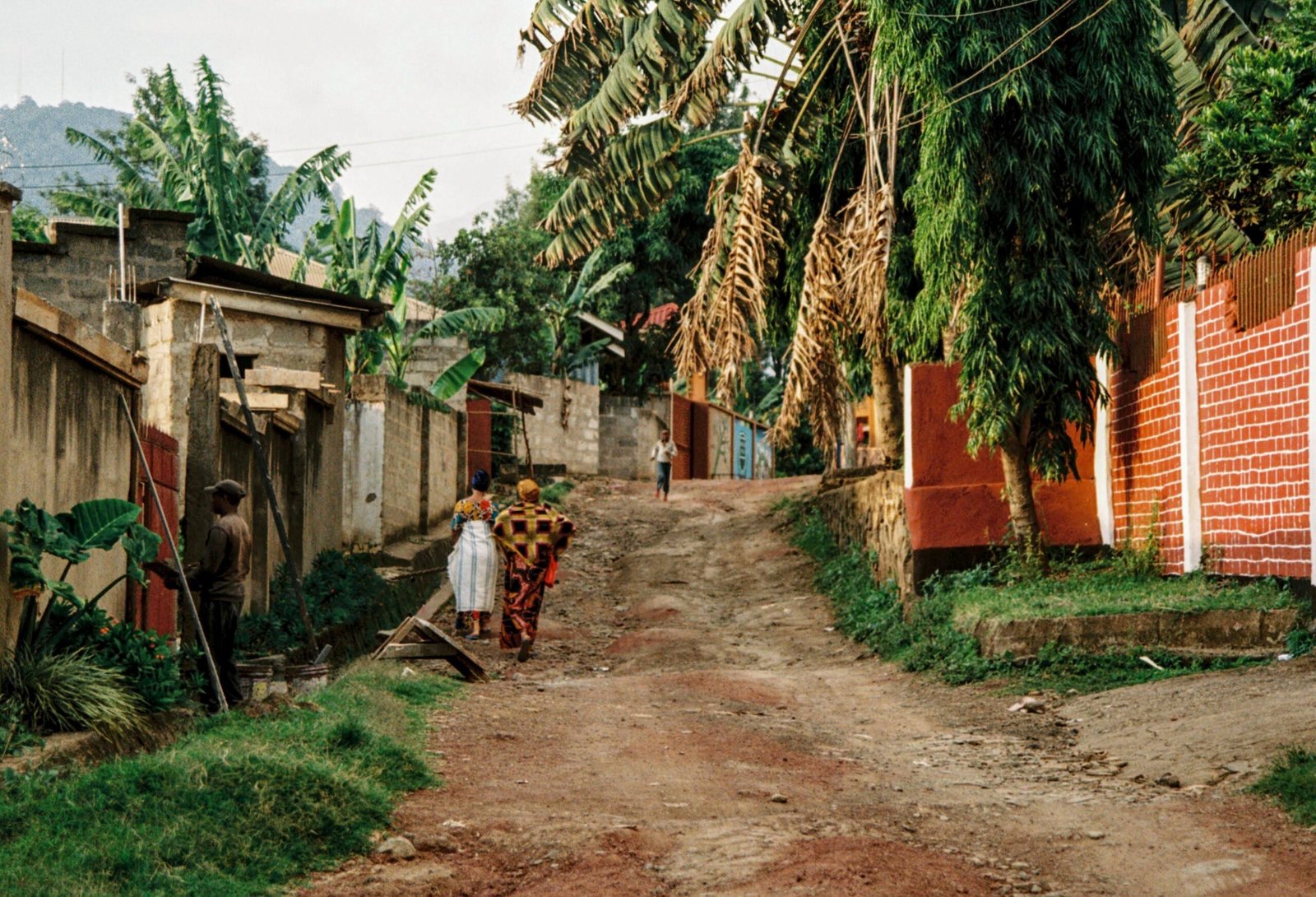
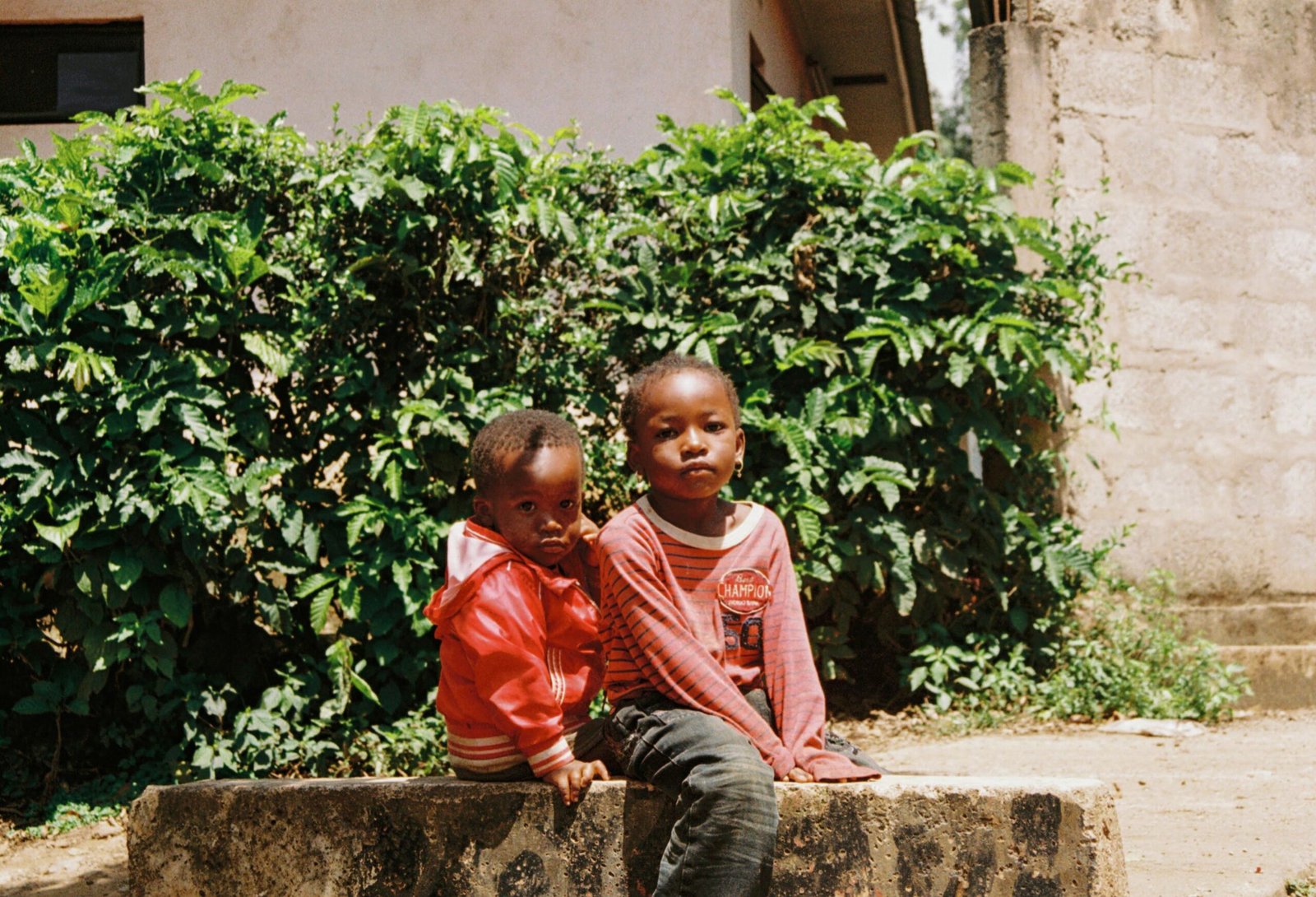
Arusha is the perfect gateway into Tanzania if you are coming from Kenya or flying into International Kilimanjaro airport. It’s a vibrant city with a live and big Central Market where you will learn the story of admiring and powerful women who stood up for themselves, where you will bargain on sweet watermelons and mangoes, where you will get lost in a maze of beans, salt and spices.
Your presence in the city will not go unnoticed, especially by young men trying to hustle and get a quick change or insistently offering walking tours around the city and the market. The latter can be a good idea, this way you will have a local showing you around and helping you bargain and discovering names of fruits you have never seen before. Whatever you decide, just be polite and direct with what you want and don’t want, so as not get too overwhelmed.
Arusha also serves as a perfect base for your next steps into the country, whichever they are going to be. Take your time to walk on the hectic streets, absorb the warm welcoming of the people and start making a plan for the next days. It is the perfect place to exchange and withdraw money, to arrange safaris, cultural tours, car rentals etc.
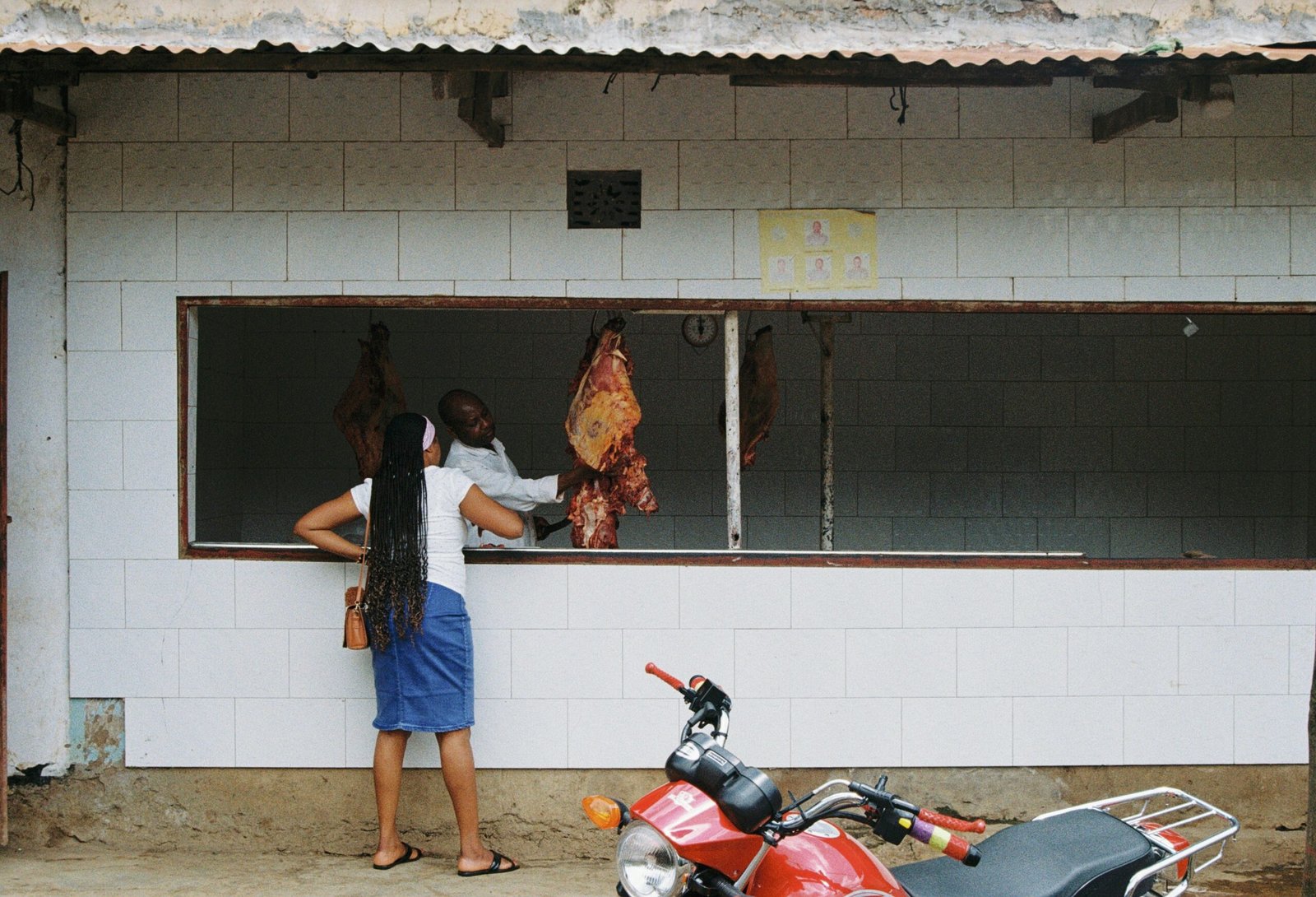
However comfortable the city can be, my suggestion would still be to stay in its surroundings and chat with locals on the frequent and cheap Dalla Dallas going into the city at need. Around Arusha there are plenty of little peaceful villages, warm smiles, children’s laughs and music playing on the main dirt road. The many small shops on the street all have different colours, smells and vibes; the butcher, the hair saloon, the liquor store, the fruit and vegetable cart, the tailor shop. Here, people live off of what they grow and farm. Nature feels like big green banana trees, rivers and hills at the base of Mount Meru. Here is where you will first experience the slow, elegant, round rhythm of Africa, you are going to admire it, respect it, embrace it. If you want, it will never really leave you.
Ambureni (Banana Farm Eco Hostel) and Shangarai (Mambo Hideaway) are two places around Arusha that would fulfill all the above promises.
Type of accommodation: from bunk beds in colorful rooms to hidden cabins surrounded by banana trees
Food: traditional and local food from the animals and plants of the hostel, served as a buffet. Breakfast included
Price: double room 18$ cabin 60$
This is the perfect place to slowly get into travel mode. There are many green spaces to explore and common areas where you can get creative, journal, start planning the trip, with the sound of the river flowing in the background.
Careful, this is the hostel you might never want to leave. Exploit all its offers, the great food, the even greater ginger tea, the cooking lessons, the farm tour, the painting lessons, the outdoor shower! Then get ready to leave the nest and go explore the country.
Banana Farm Eco Hostel, Ambureni
Type of accommodation: Simple and beautiful rooms, from two to 6 people.
Food: Breakfast included, dinner. Homemade at the moment by the amazing cook Lina.
Price: all rooms the same, around 30$
If you ever miss home during your travels, just drop by Mambo Hideaway in Shangarai. There are two young and welcoming hosts, Lina and Kevin, and two sweet and even more welcoming dogs, Mr. Snow and Boss. You will be treated like family and you will treat them the same way. It just has a few rooms and you will eat at the same round table with all the other hostel guests, warmly thanking Lina every time she gracefully comes out of the kitchen holding a new and delicious dish.
Mambo Hideaway, Shangarai
Safaris: Tarangire National Park and Ngorongoro Crater
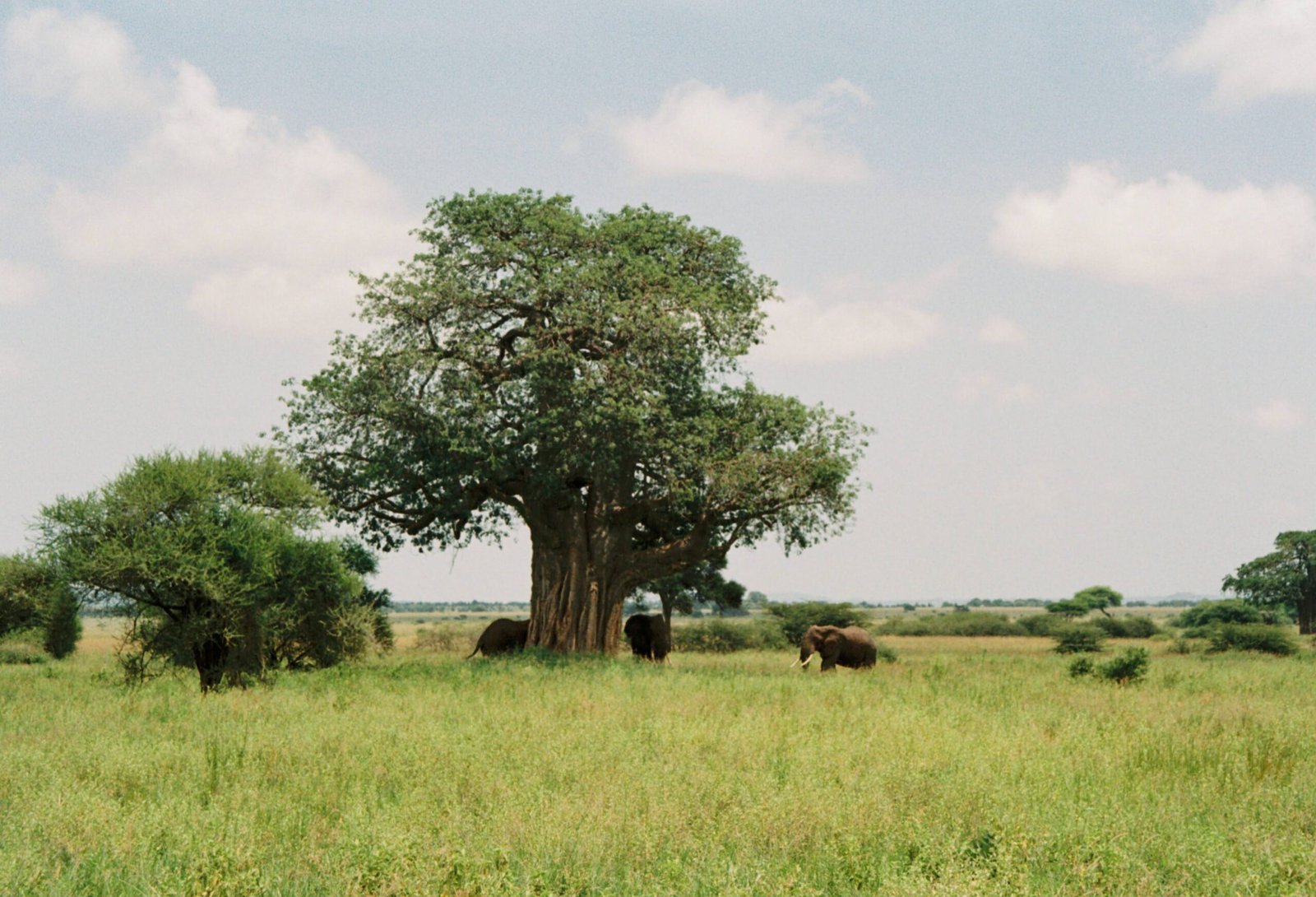
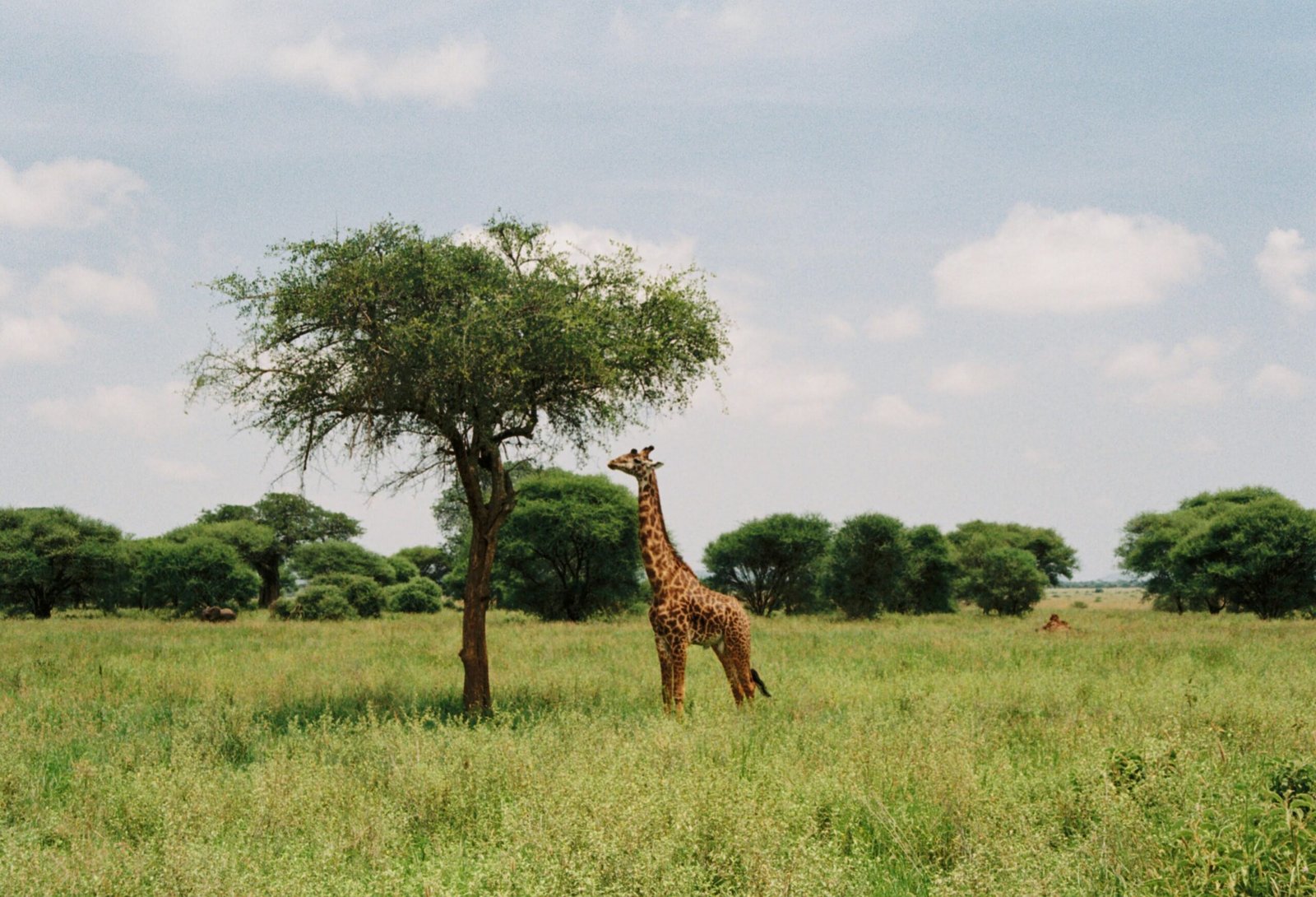
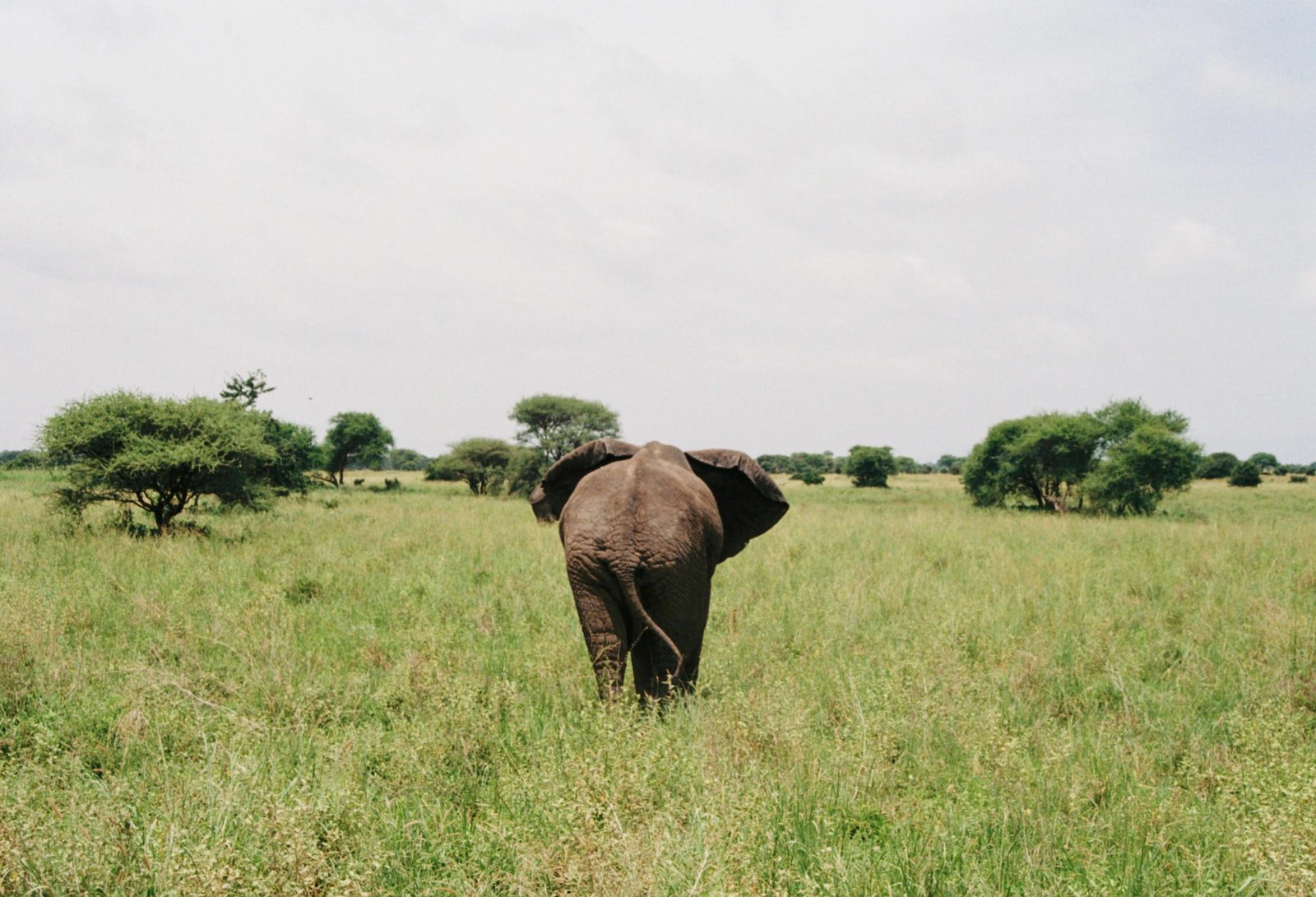
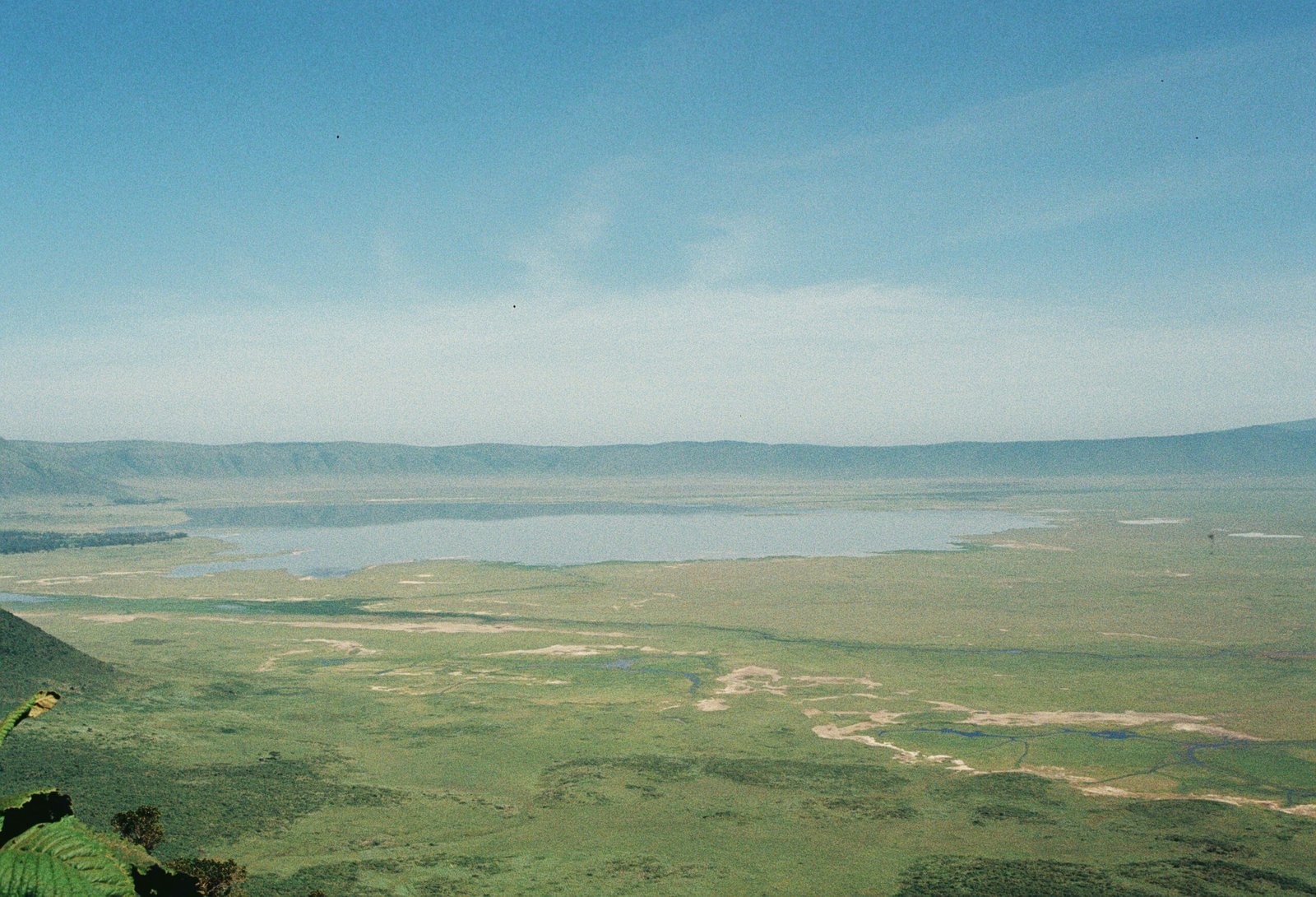
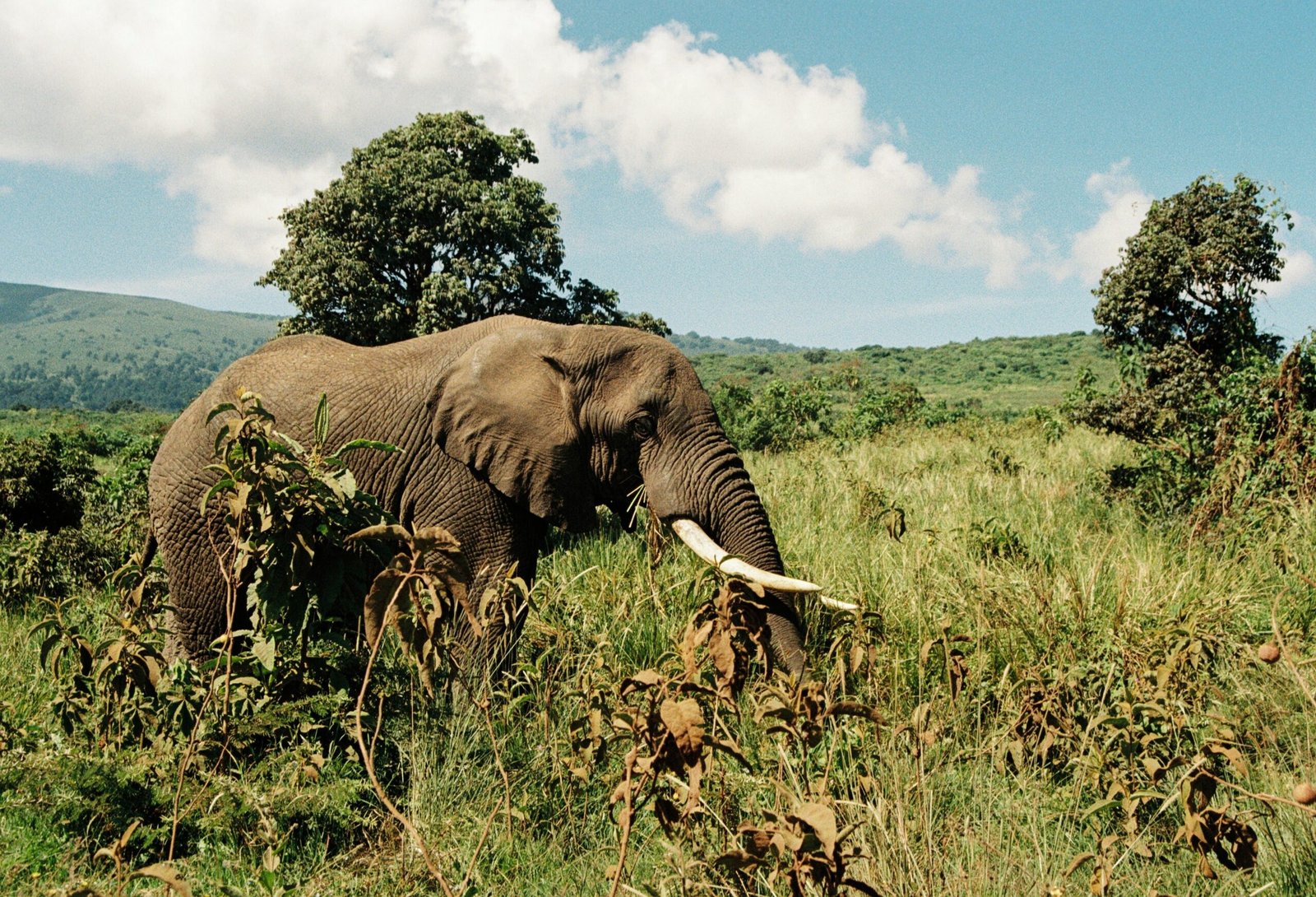
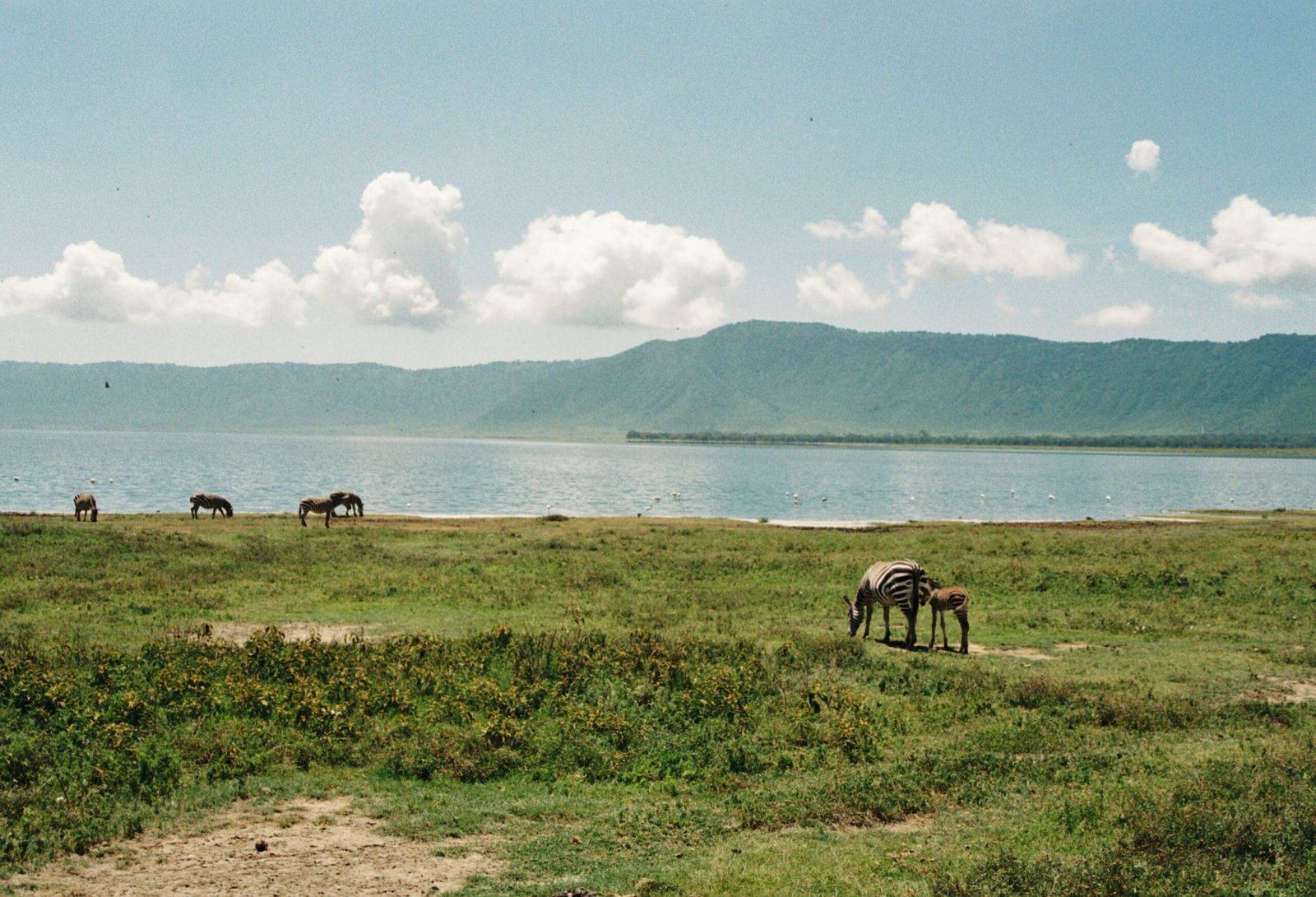
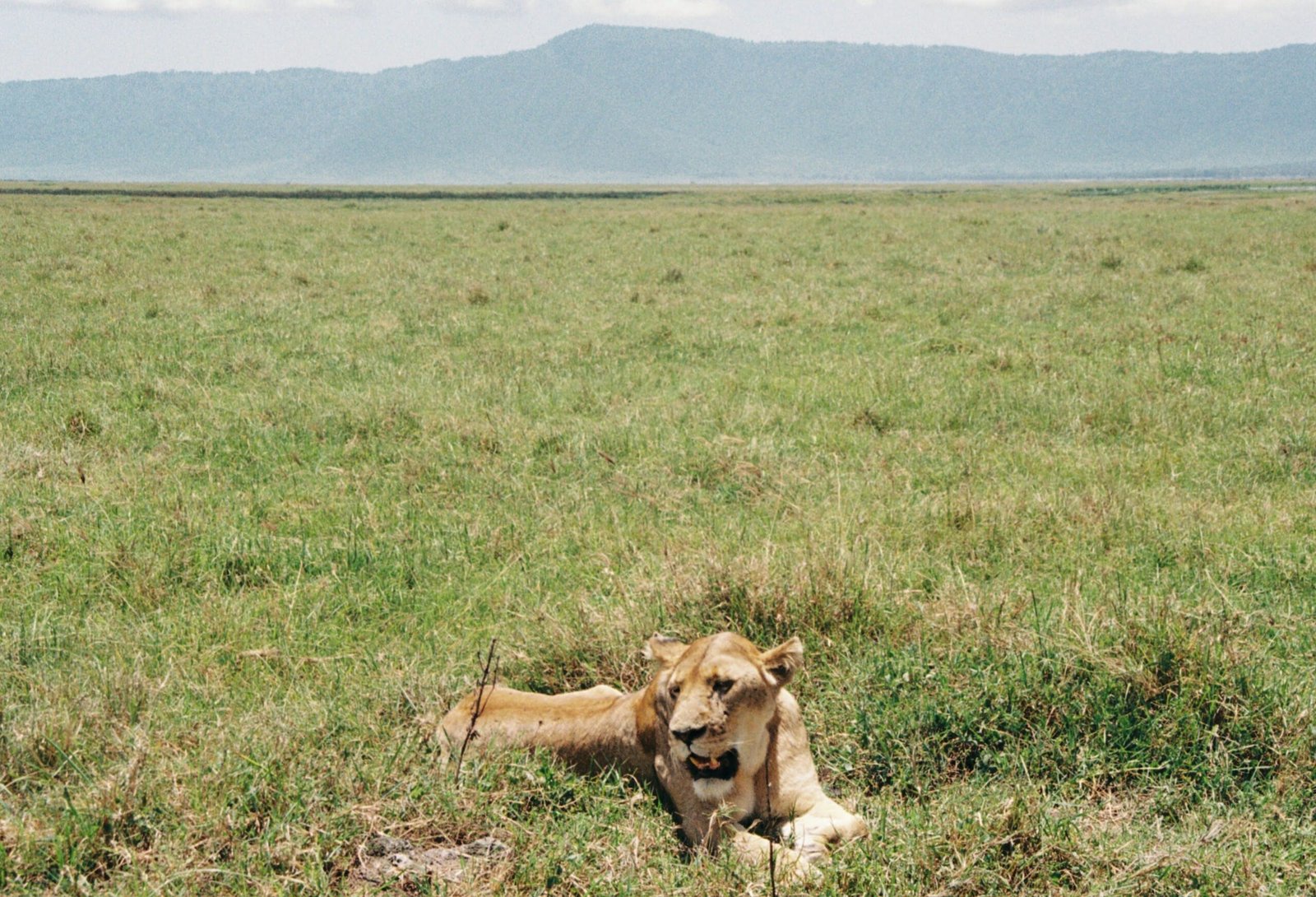
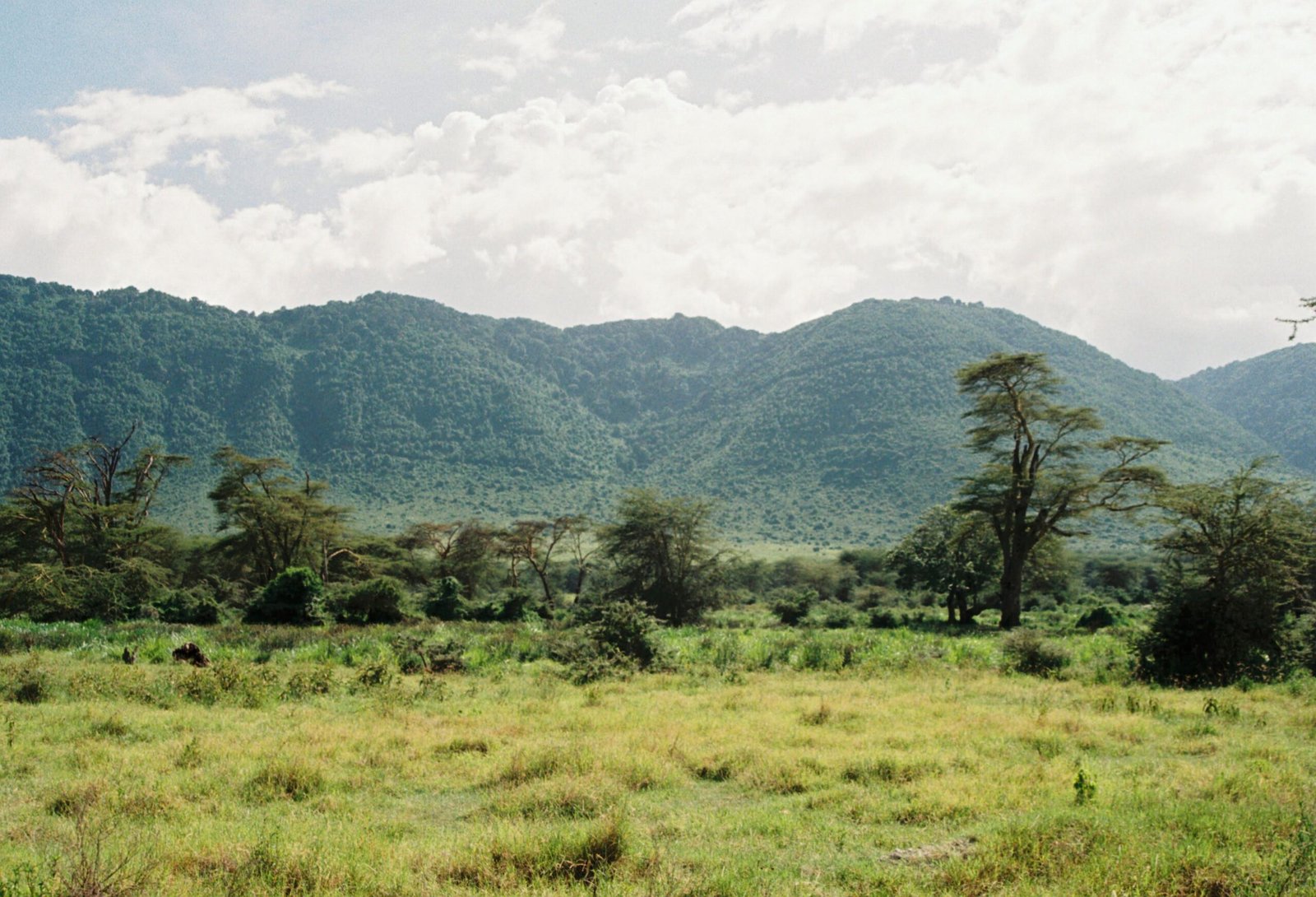
North Tanzania is the perfect place to be if you want to go on a safari, but be ready, because the overwhelming amount of options and the high prices can be discouraging at first. In the end it comes down to how many days you want to spend on the safari, what you want to see and experience (focus on the landscape, nature, some specific animals etc.) and, of course, how much you are ready to spend. With this information at hand it will be quite easy to find a good matching safari package.
Some personal suggestions in the decision process:
How?
- At first, it might seem more sensible to plan on your own, without relying on a tour agency or similar, but in the end it will be way more complicated and most probably also more expensive. Talking with other travelers, local friends, guesthouse owners etc. might get you the best organised package deal without the stress of organising yourself.
How long?
- If you are in Tanzania mostly for safaris, then it’s a different story, but if you are traveling to the country for multiple reasons, then a 2 / 3 day safari will be enough. It will limit the number of parks you can visit and maybe the chances of spotting all the big 5 (Lion, Leopard, Rhinoceros, Elephant, and Buffalo), but it will allow you to still experience the amazing safari adventure while leaving you with enough time and money to enjoy the rest the country has to offer, which is plenty. Also, after two or three days of being bounced around in a safari van through the dusty parks, a change of scenery won’t seem so bad.
Where?
- Tarangire National Park for stunning acacia and baobab trees, tall green grass, colourful birds and endless herds of elephants.
- Ngorongoro Crater for a lunar landscape. Herds of buffalos, zebras and wildebeests grazing on the low grass, hippos’ nostrils and ears poking out of the lake’s surface, lions and lionesses basking in the sun undisturbed, and a crown of mountains all around.
How much?
- For cuts on the budget, choose just a couple of parks (or Serengeti only) and join a group. This is one of the most common options, consisting of tour agents bringing together several travelers to form a group of 6. It allows to cut the costs, but of course takes away some of the freedom and privacy of having the safari car all for yourself. If you are lucky enough with the company, it will work!
- Expect to spend at least 150/200€ a day for a budget safari. It is expensive, but it will be an out of the world experience, especially if you’re a first timer. I was initially skeptical as to whether it was all worth it, but I have to say, it definitely was. It is not only about looking at animals roaming around a park, it’s finding yourself in an entirely new and wild ecosystem, being the respectful guest of a world humans are not the centre of. It is about listening carefully to a new type of silence, admiring the colorful, creative and artistic talent of nature. It is observing a different way of life, where different animal breeds and species coexist peacefully, in a way humans could have a lot to learn from. It is realising elephants are bigger, giraffes are more good looking and lions are even more vain than you thought.
(East) Mount Kilimanjaro
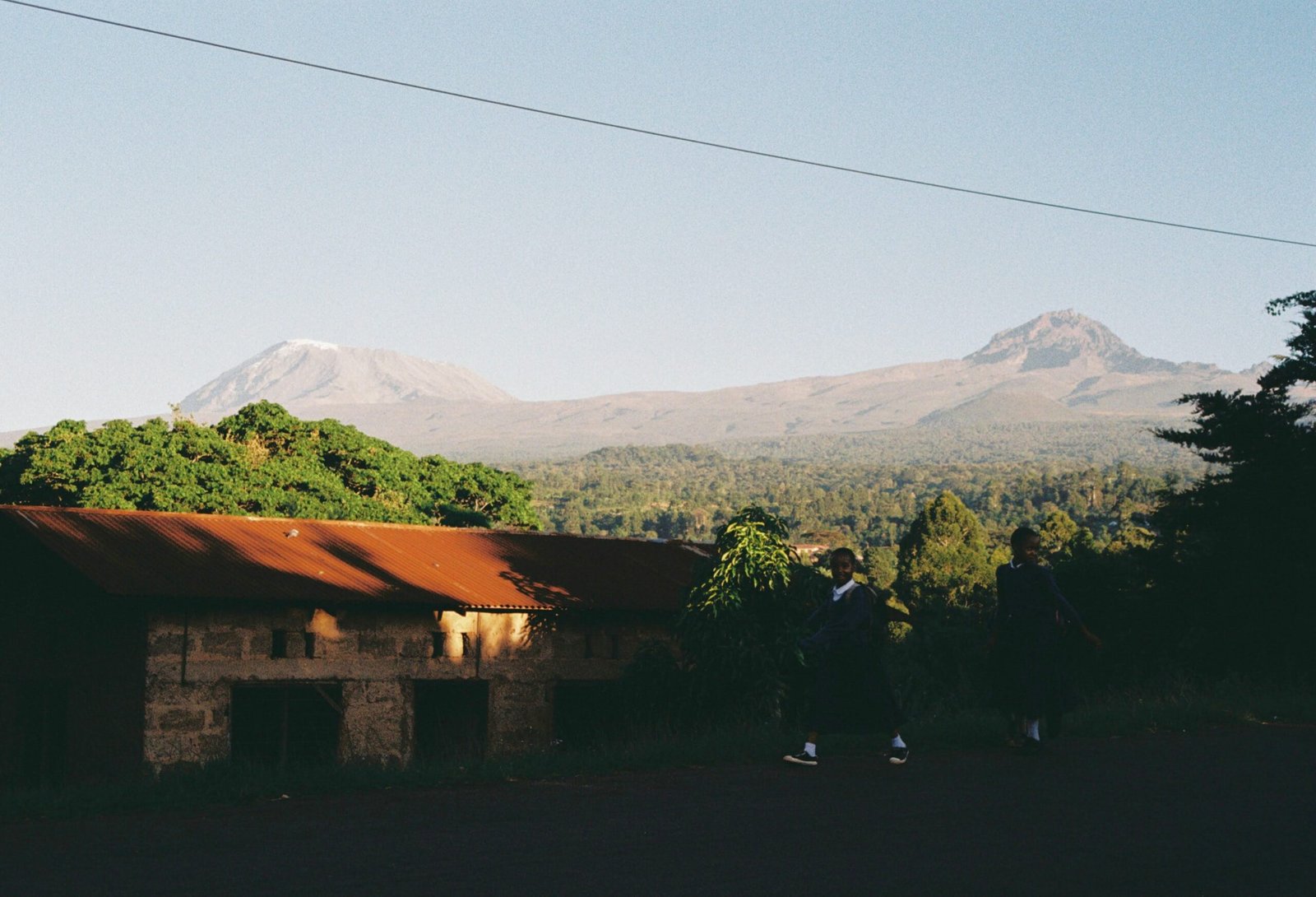
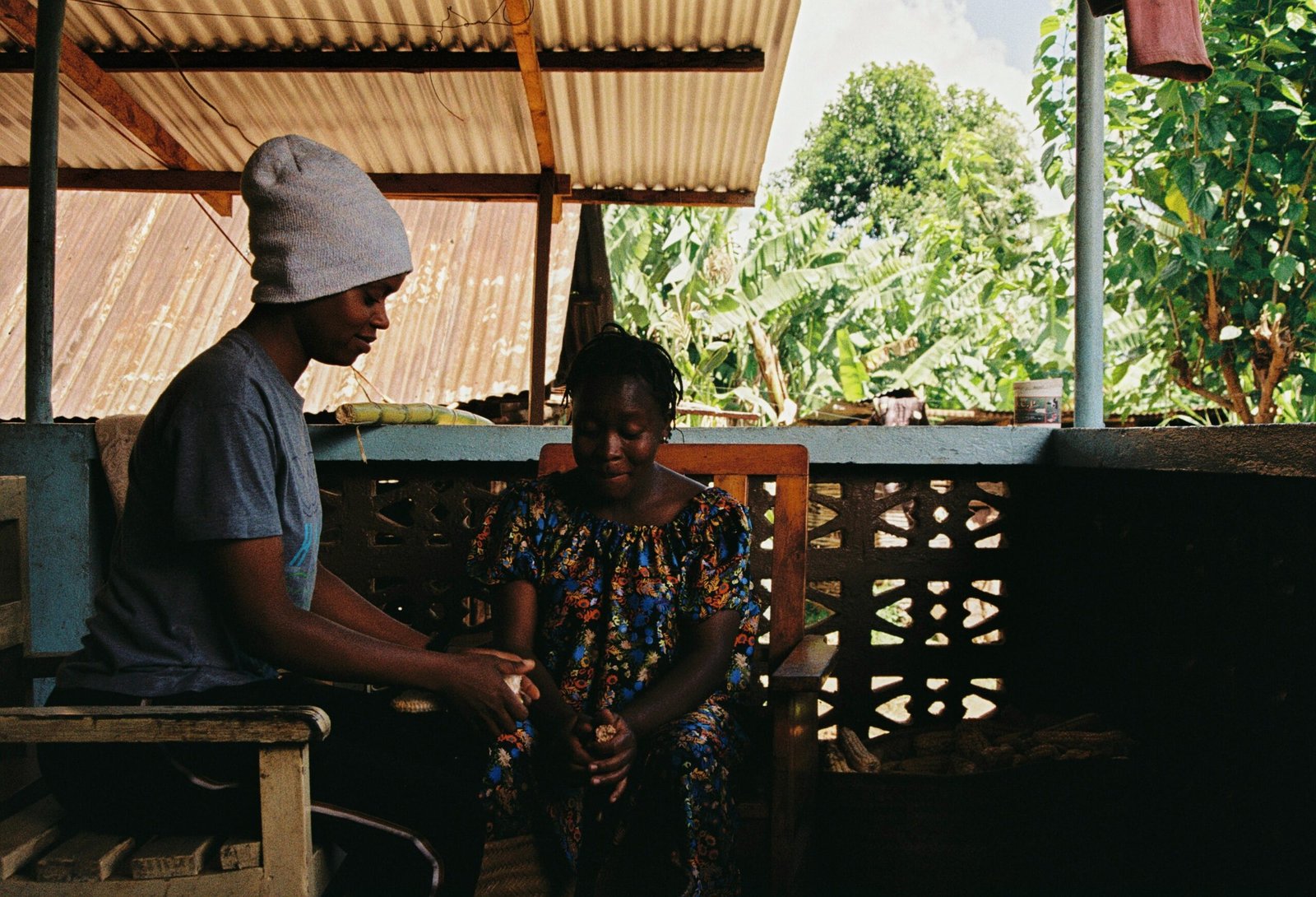
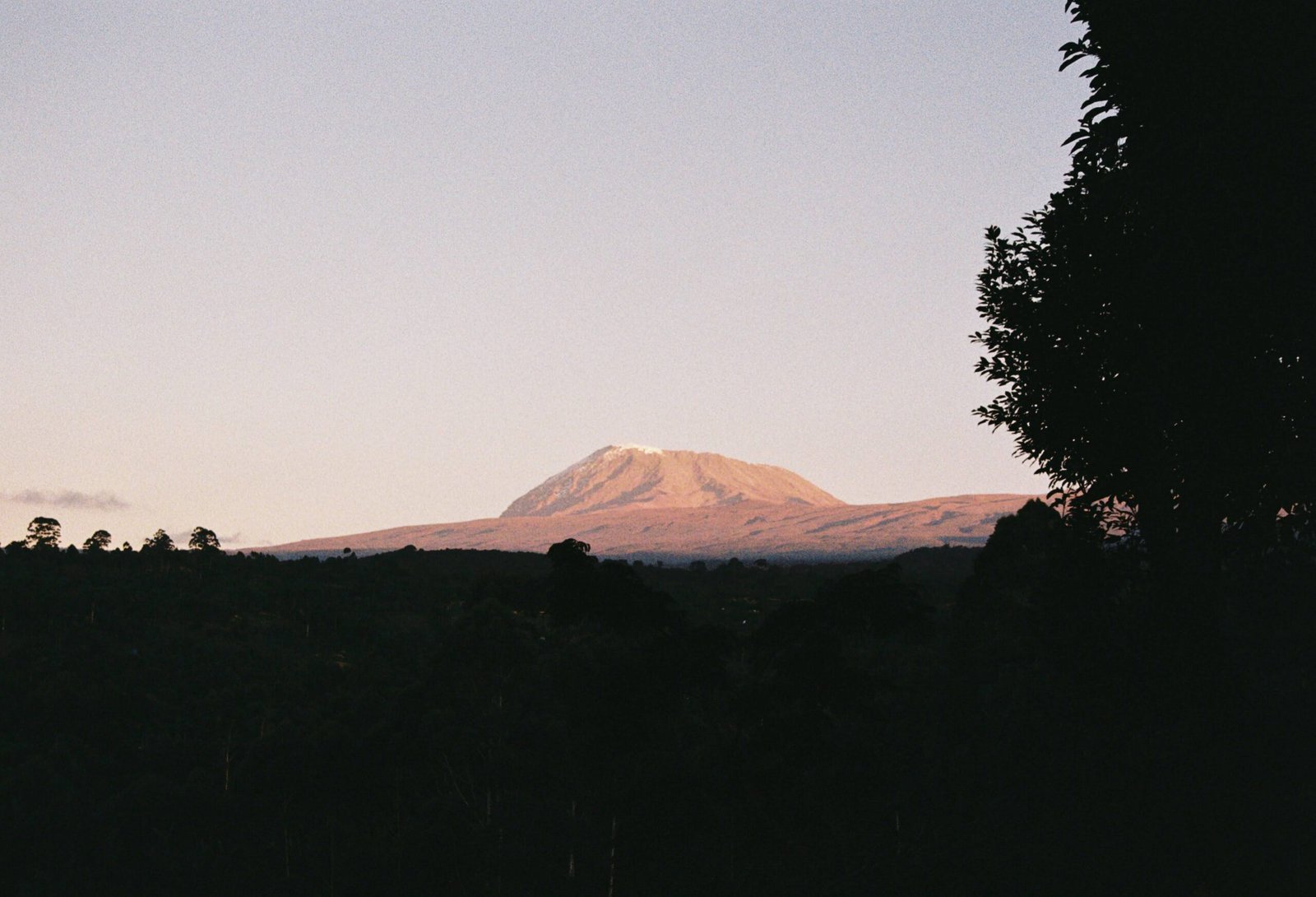
If you end up in the right place, you will end up at a Kilimanjaro that you might not have expected. Far away from tour operators and tourist spots, Kilimanjaro can offer a cool breeze of wilderness and tradition. In Marangu/Mshiri, people wake up at dawn and drink coffee together while slowly opening their shops and starting their day at work. Children in blue uniforms will meet on the street and play on their way to school. Some others will walk silently on the side of the road, with the look of someone who would have rather stayed in bed, an international look after all. The sun rises over a sea of thick clouds, it illuminates the towns on the distant planes, it radiates through the big banana leaves and paints the peak of Mount Kilimanjaro orange and pink. Here, family is an extended concept, brothers and sisters are neighbours and youth friends, their mother is one’s mother, their house is one’s own house. Land is the cornerstone of society, it dictates family relations, it divides and unites the people, it is part of their lives like air and water.
Even (and maybe even more so) if you are not planning on climbing Mount Kilimanjaro, spending a few days on the foot of this mountain will be a cure for the mind and the body. Wake up at dawn to see Kilimanjaro wearing its most elegant dress, enjoy the sound of the breeze blowing outside of your bedroom at night, take a walk on the main road, greet the people, explore the fields and forest, learn about the Chagga people, their culture and turbulent history, learn how to make coffee, look for juicy avocados under their big trees, they say that if you find 3 you will be lucky!
(West) Usambara Mountains
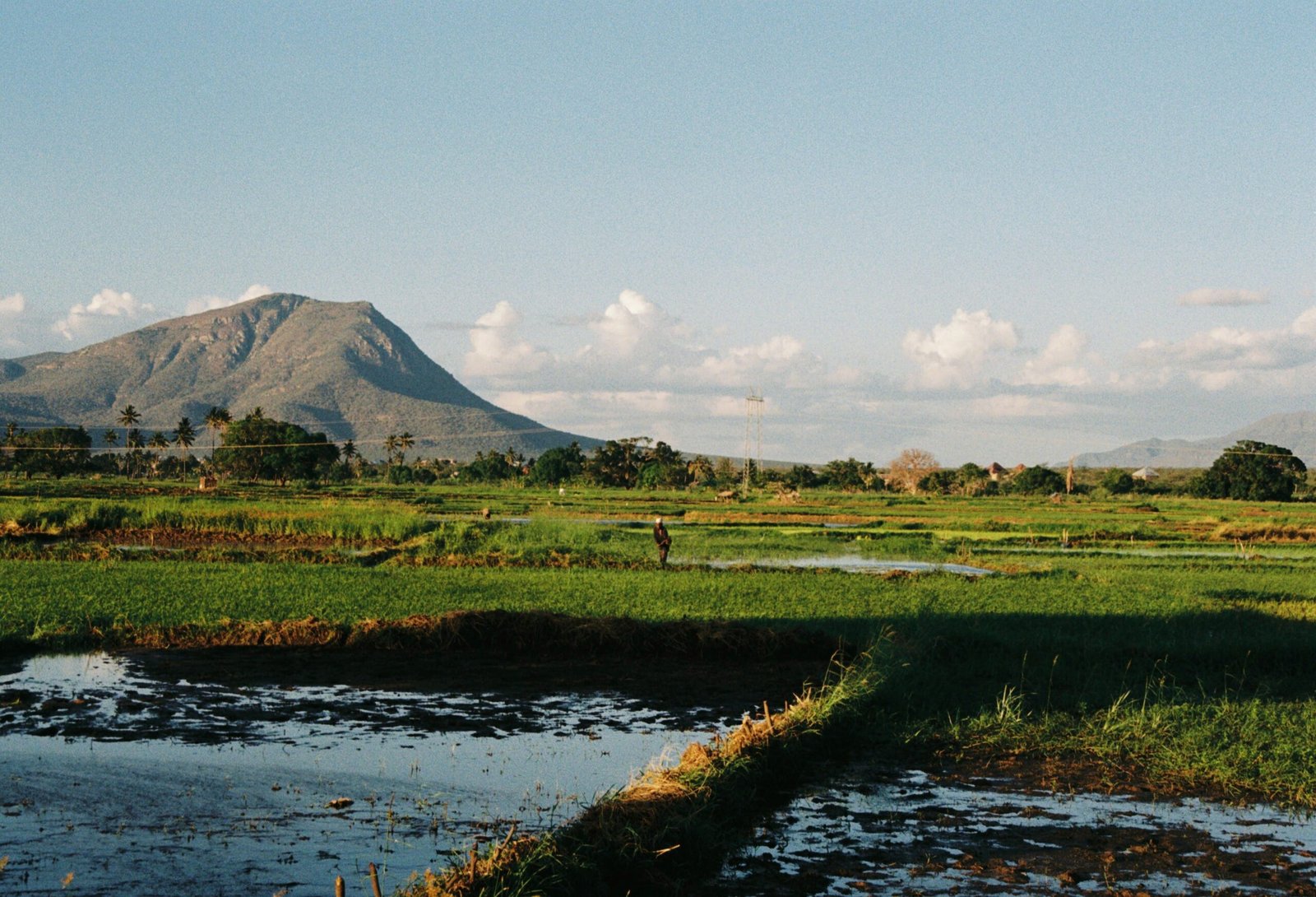
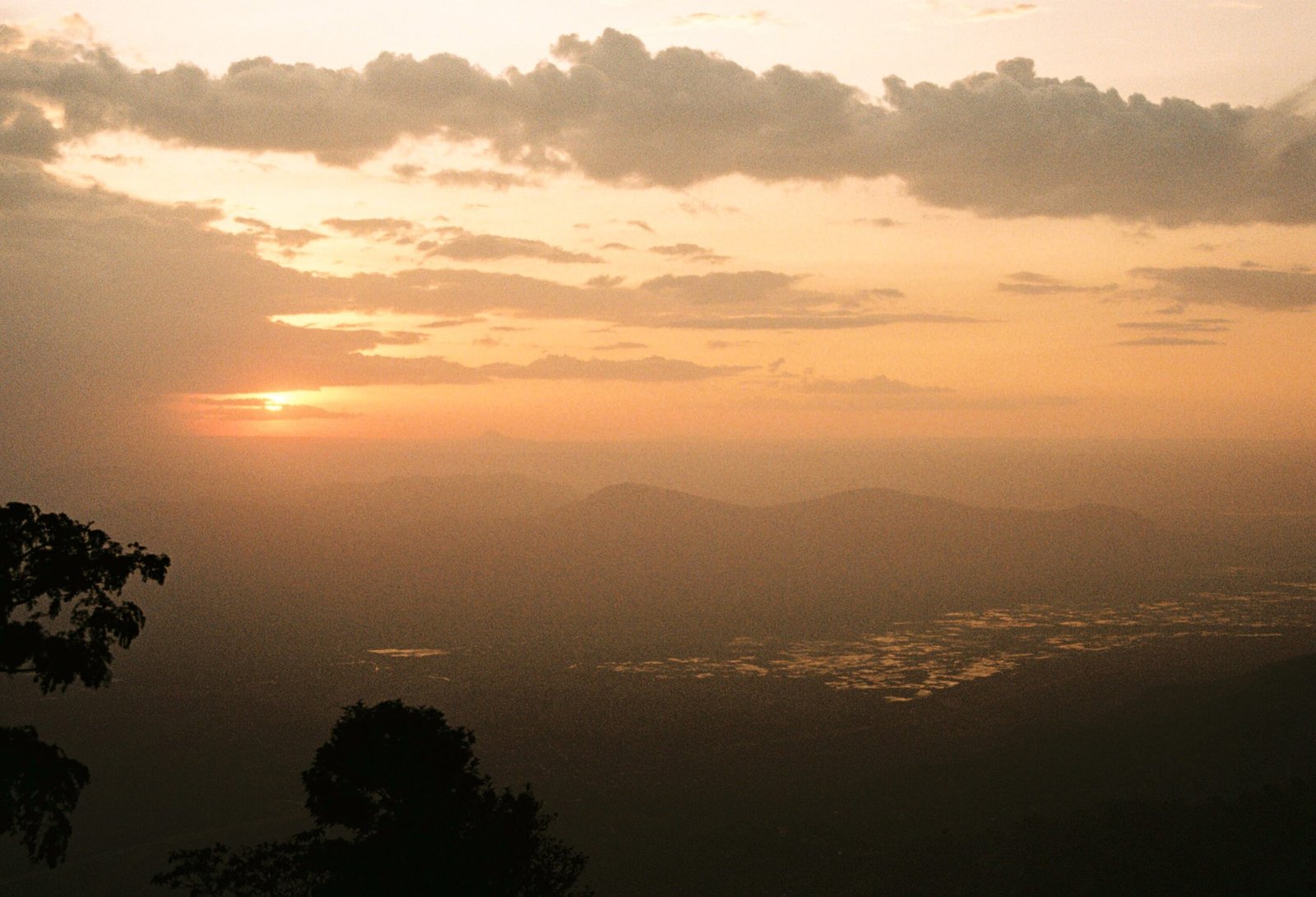
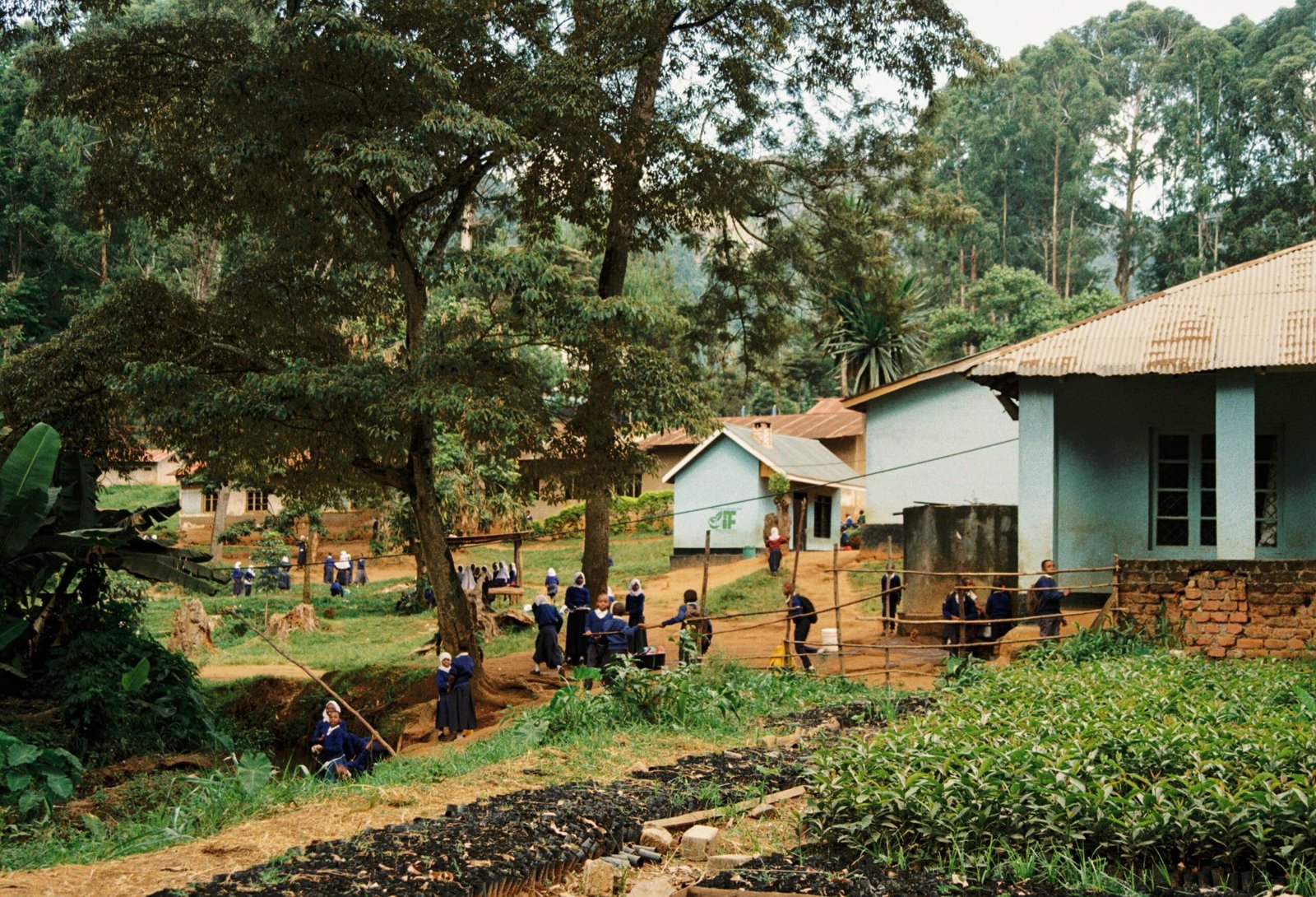
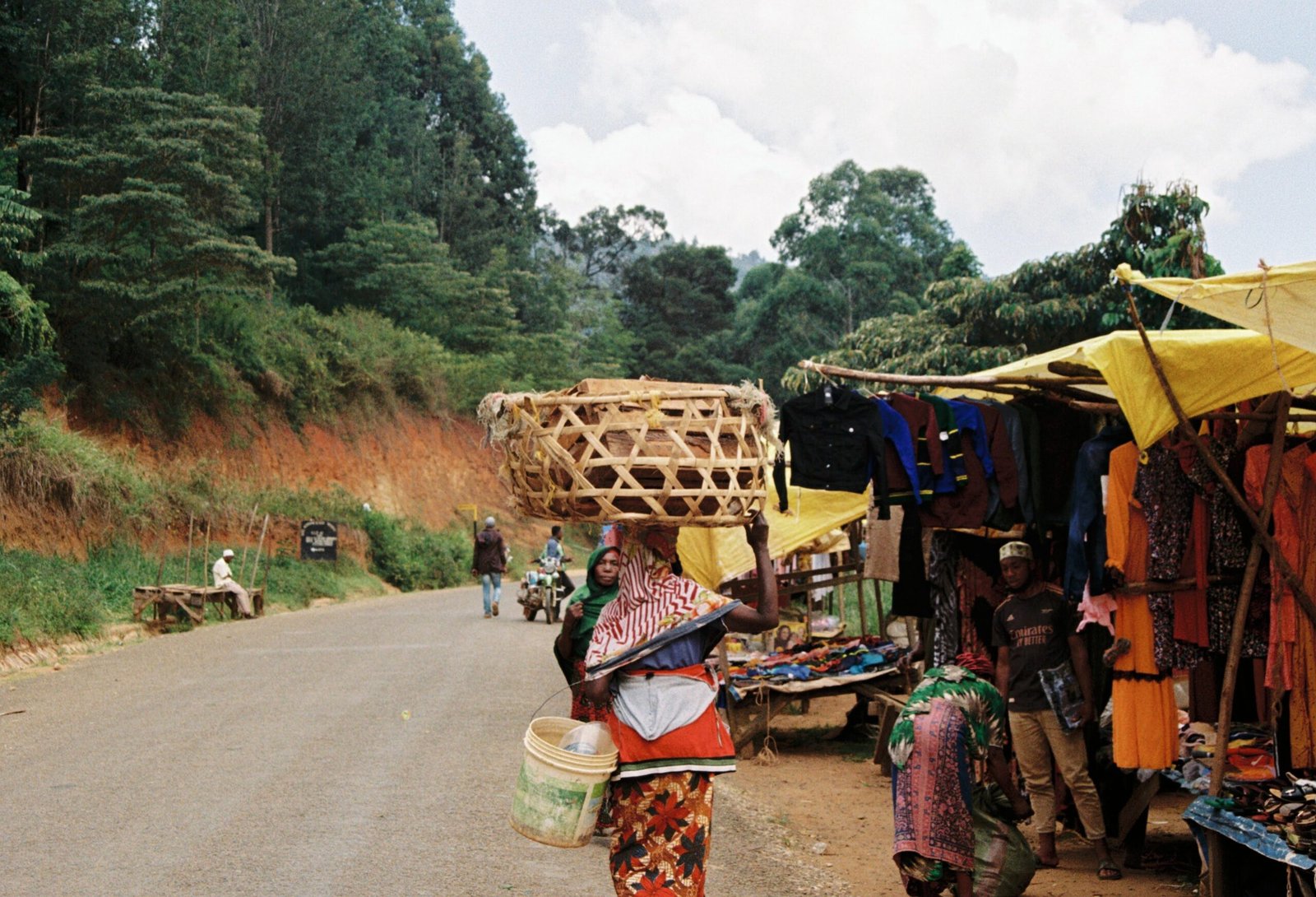
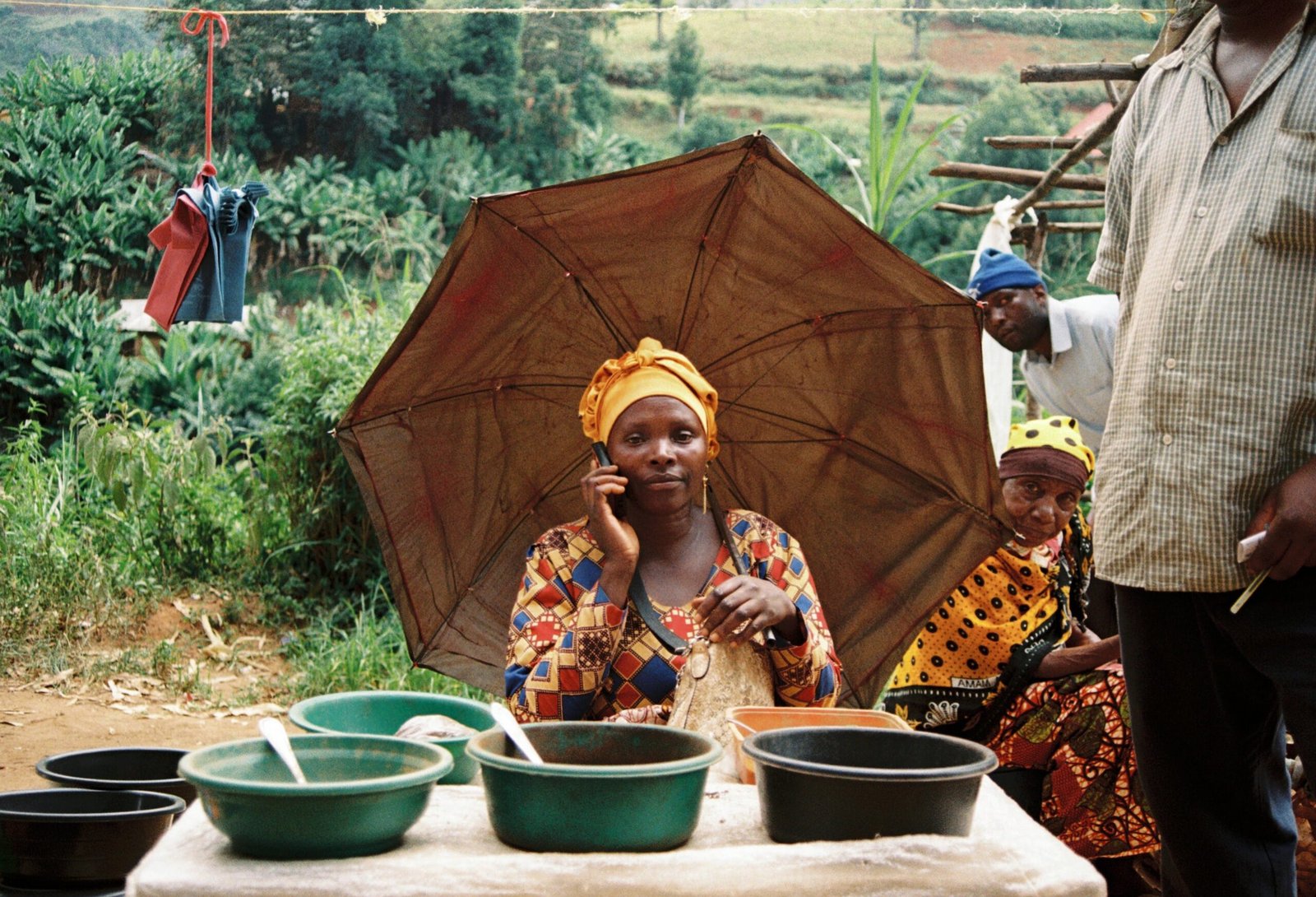
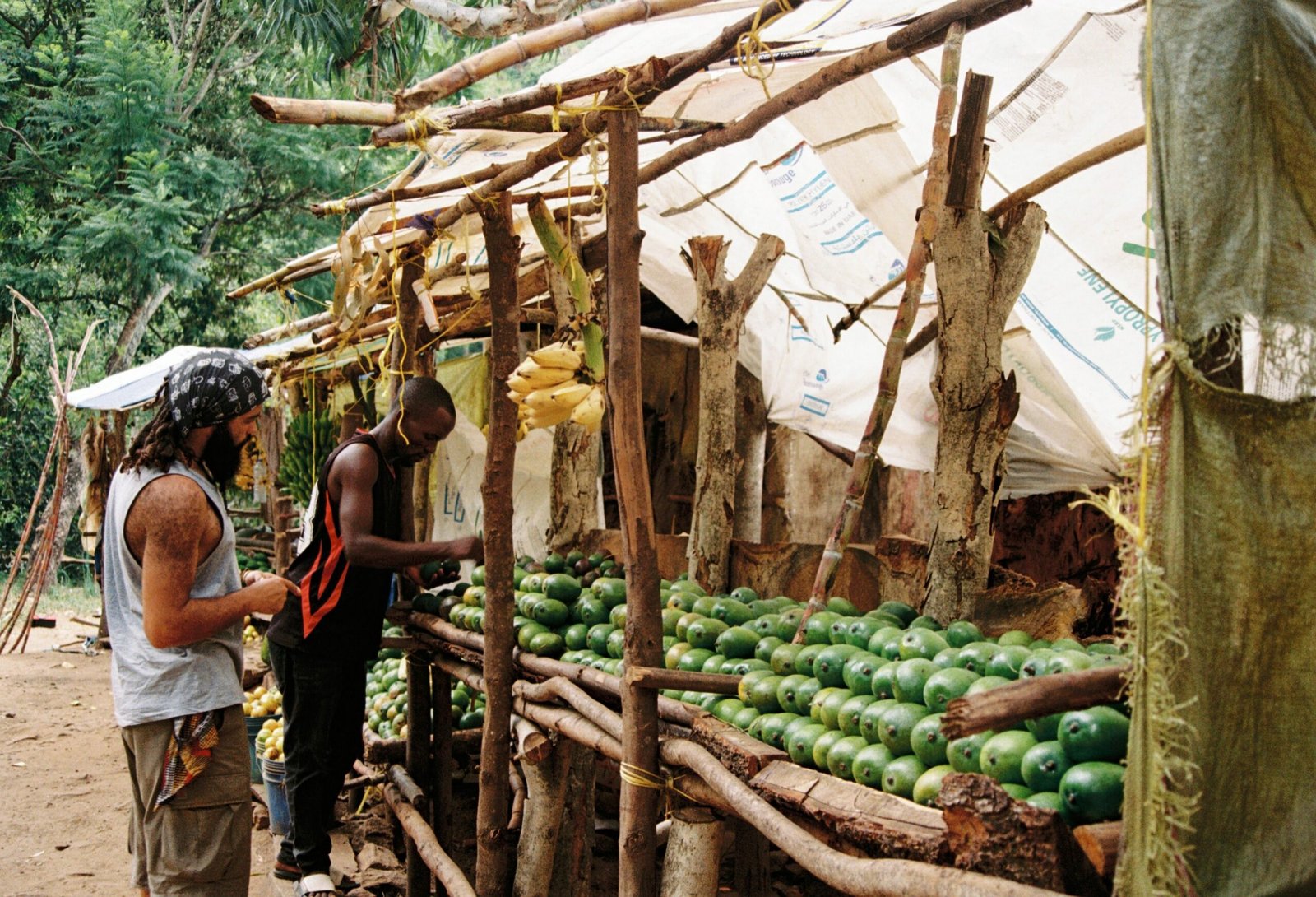
If you enjoyed Mount Kilimanjaro, just wait to go to the Usambara Mountains. If you can rent a car to go there, do it. The B1 is now officially on my list of favourite roads to drive. It runs along the border with Kenya. Between the border and you, a chain of green, blue and brown mountains, while outside of the driver’s mirror, red fields stretch until the eyesight can reach, some lonely mountains on the horizon, and if you plan your car journey properly, a big orange sun setting just behind them. Don’t miss your exit in Mombo and start driving up the mountainside under big white trees. The view on the dark green valley will open up in front of you just a few kilometers up, and it will look like you’ve arrived at a corner of heaven.
Lushoto is a great base to explore the Usambara Mountains, their offer is not unlimited, and still it would be impossible to get bored of them. These mountains feel like a channel into another dimension, where everything is more intense and deep; the look in the people’s eyes, the night sky, the colors and noises of the local market, the majesty of trees and waterfalls, the sunsets.
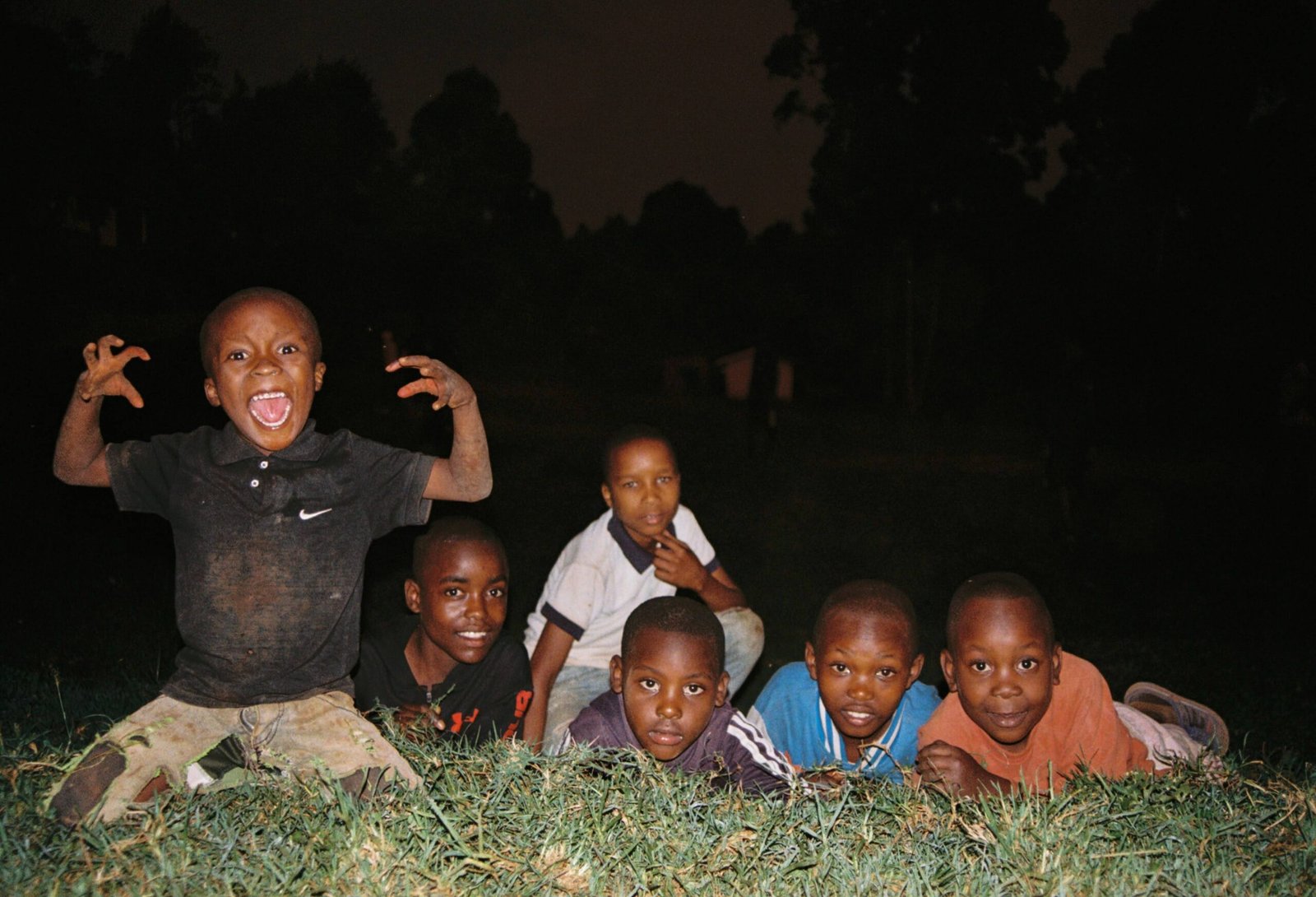
For the latter, you can’t miss Irente Viewpoint. The way there can be tricky and a little bit no sense at times. Dirt roads in the middle of the forest, small villages and big luxury resorts somehow appear with the same frequency. To be honest, I am not even sure we reached precisely the famous Irente point, but whichever place you end up, you will admire one of the best sunsets of your life. This might be the very moment and place where you will be “infected” with Mal d’Africa. The steep sides of the mountains around you, the blurred orange paint covering the planes ahead, the mist hanging on the big sun, the first stars in the light blue sky, the sound of the birds on the tall trees; you will feel part of, reunited with, something bigger than you, immense, and so beautiful. Allow yourself time to take it all in, embrace it, and walk away with a new energy. In the area there are some small villages where people live slowly and children laugh loudly. People don’t speak any English but will welcome you warmly and try to exchange some words and many smiles.
Another natural spot that can’t be missed in the Usambara Mountains are the Kisasa Waterfalls. Here, the clear waters of the river plunge 20 meters into the bright green jungle, transforming the large smooth orange-gold rocks into black stones. Let your eyes gaze over the green endless horizon from the top of the waterfalls and then walk down on the narrow pathway into the forest. Getting closer to the bottom of the waterfall might cost you around 5$, but the striking view, the sound of the water splashing on the big rocks and the fresh breeze that originates from that violent clash will be worth it. Around this area, with some luck and keen eye, you might encounter the rare two-horned chameleon that peacefully roams this dense and humid forest.
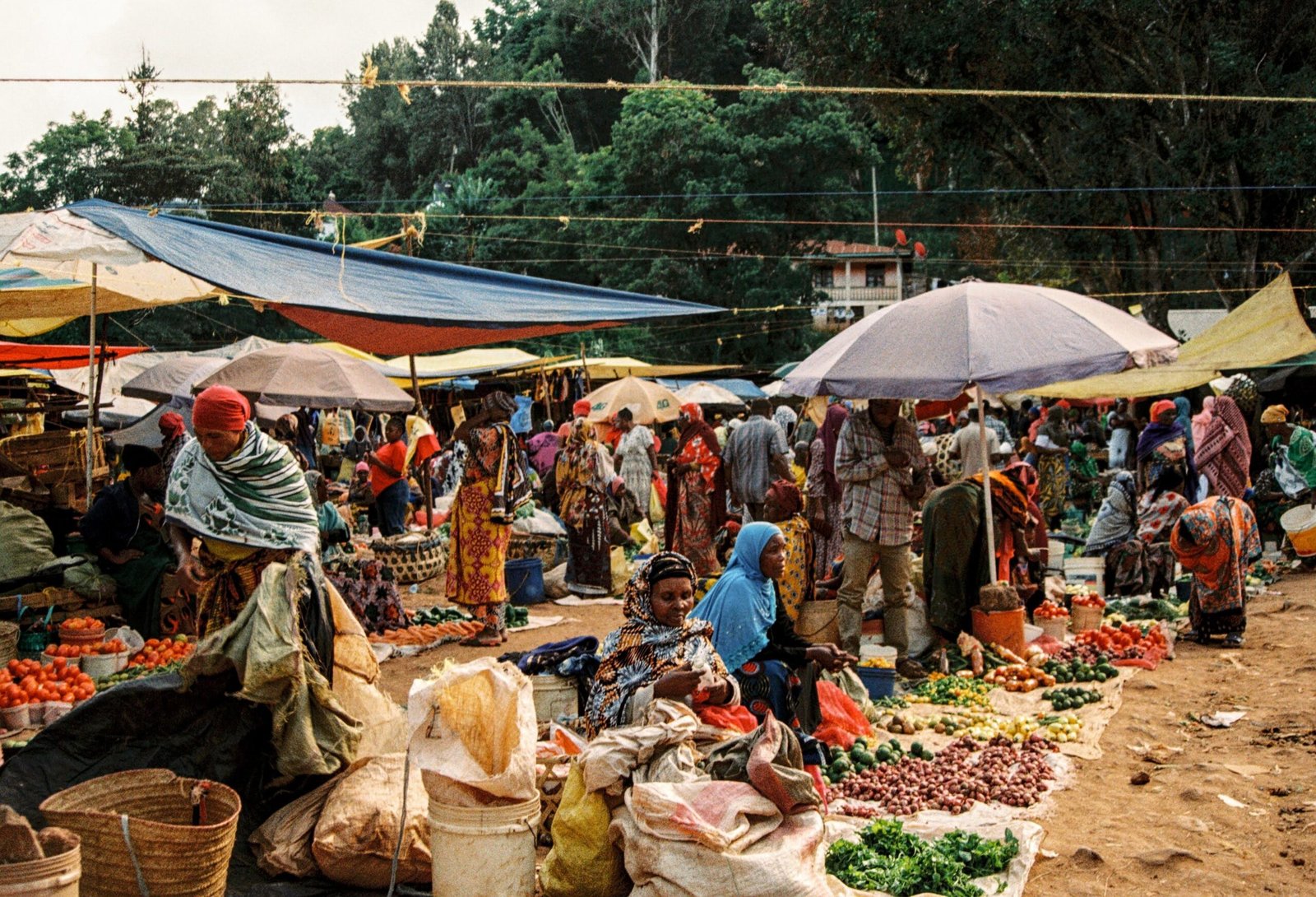
Local fruit and vegetable markets have always been one of my favorite places to visit when in a foreign country. I feel there is a concentration of energy that is almost unmatched; the further you travel, the more intriguing the energy is. It really is a multi-sensorial experience, the dazzling colours of the stands, the loud screams of the vendors, the often pungent smells, the overwhelming bustle of people going up and down the narrow streets, the unknown and surprising taste of funny looking fruits. Everything here is language narrating culture. Lushoto and the little neighbouring village of Soni will offer you the opportunity to get lost in those new words.
One thing I noticed is that, in these places in particular, displaying the first smile to the inquisitive looks of the local vendors can get you very far, and will bring about a sometimes unexpected sweet welcome. In general, the further east and towards the coast you travel, the more you will find a strong Islamic influence in the local culture (Zanzibar being the top example, with 99% of the population being muslim). This becomes more apparent in the way people dress and interact, especially women, so trying to reflect the local culture in the way you dress and interact here is particularly important.
Tanga
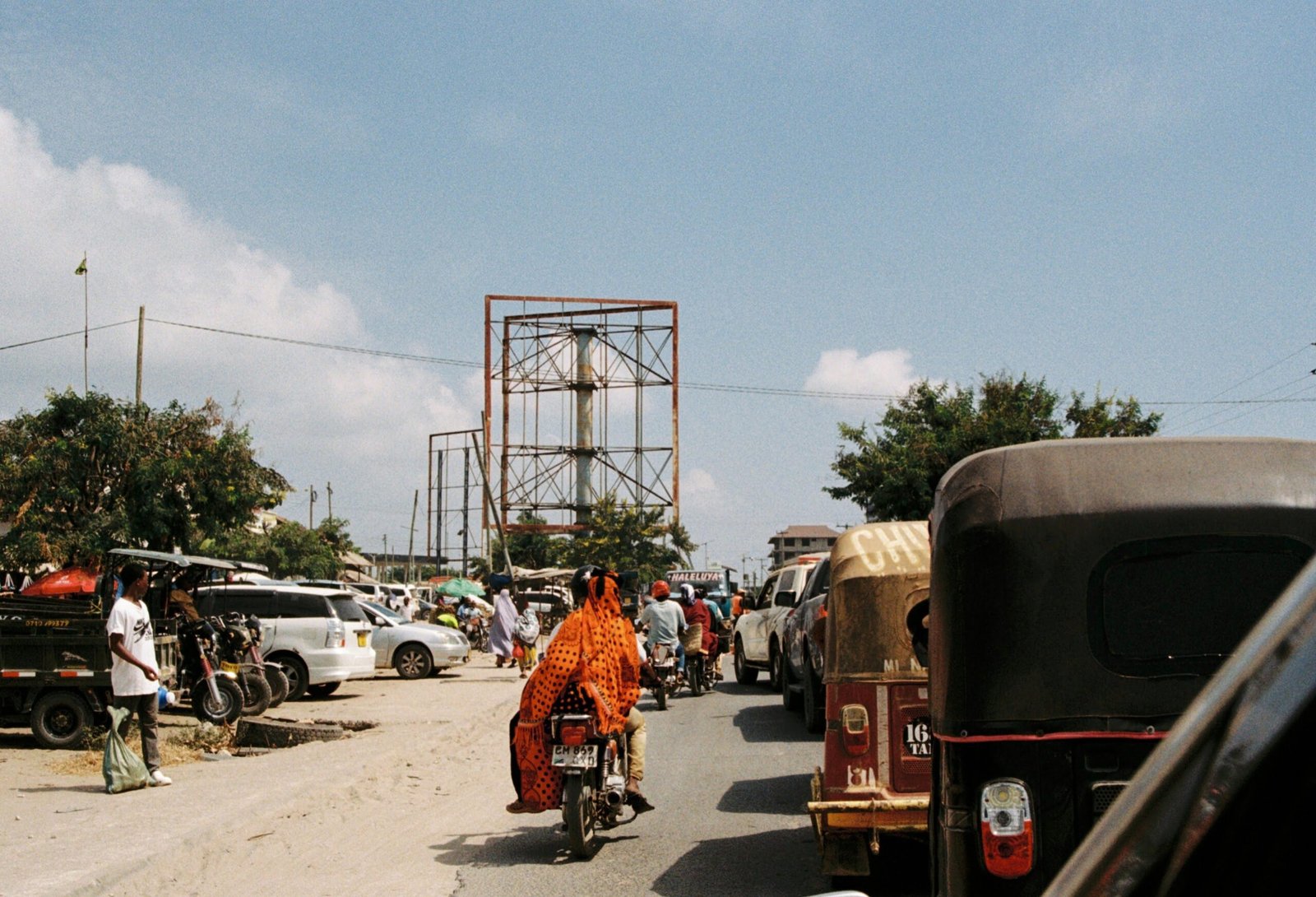
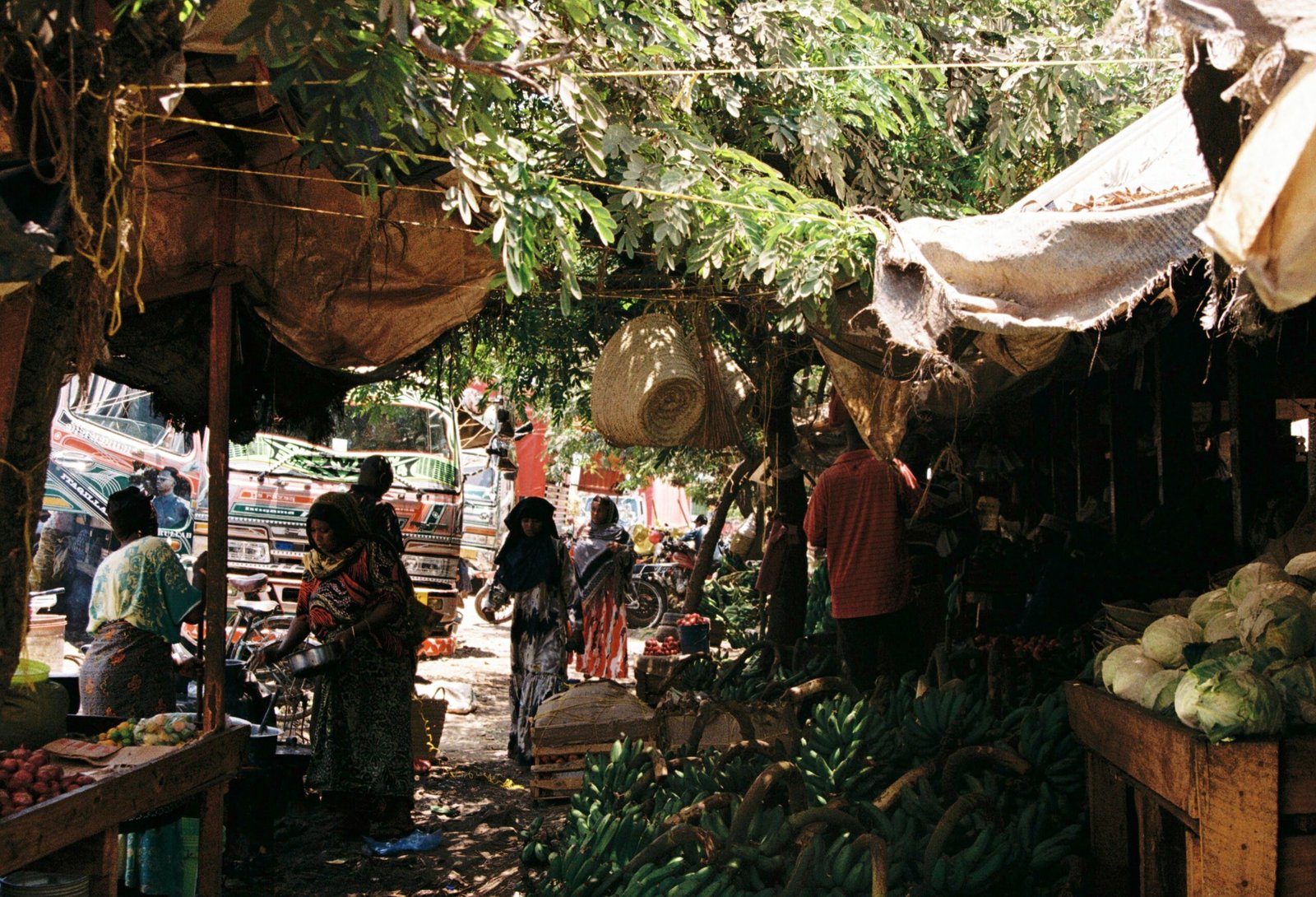
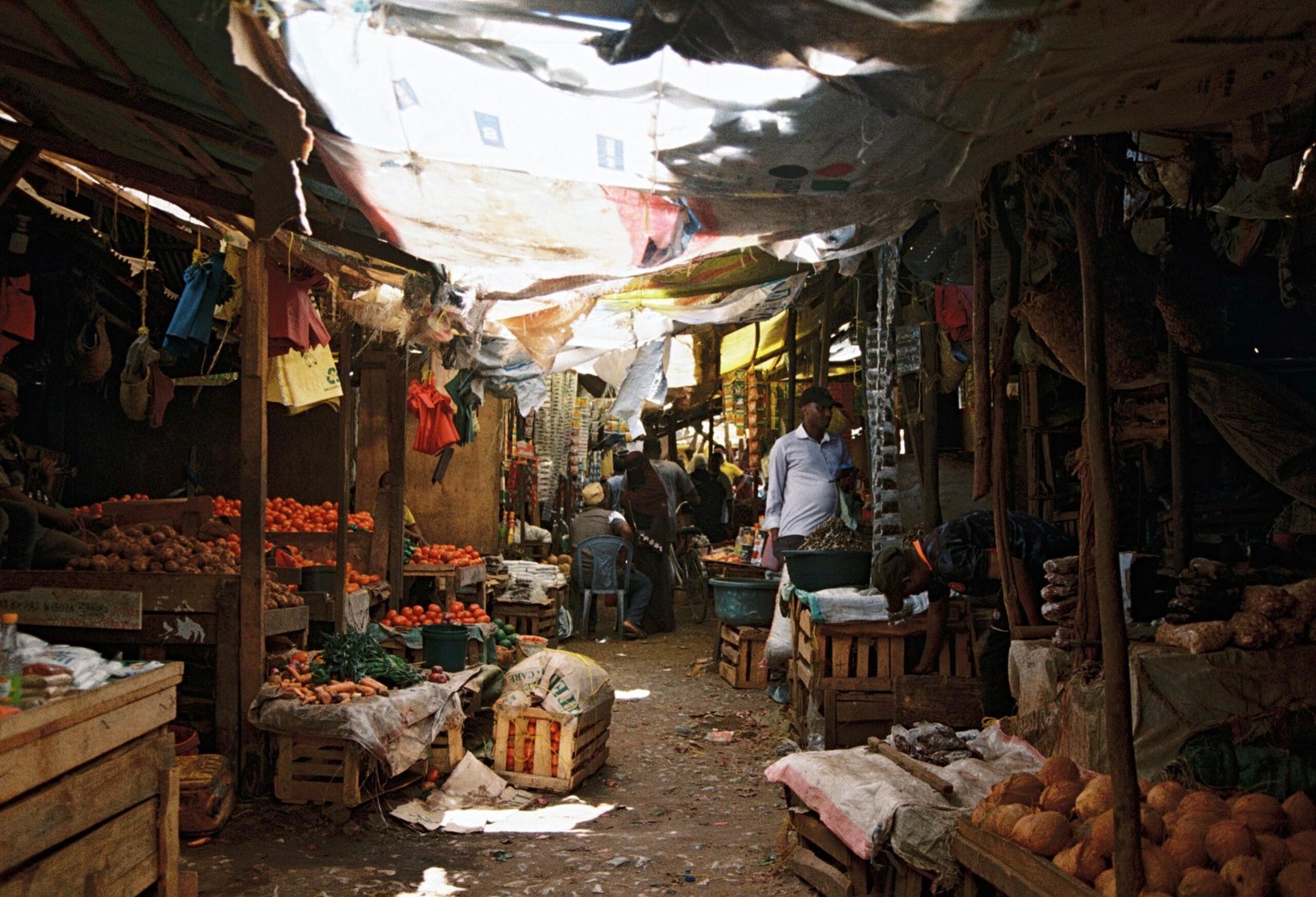
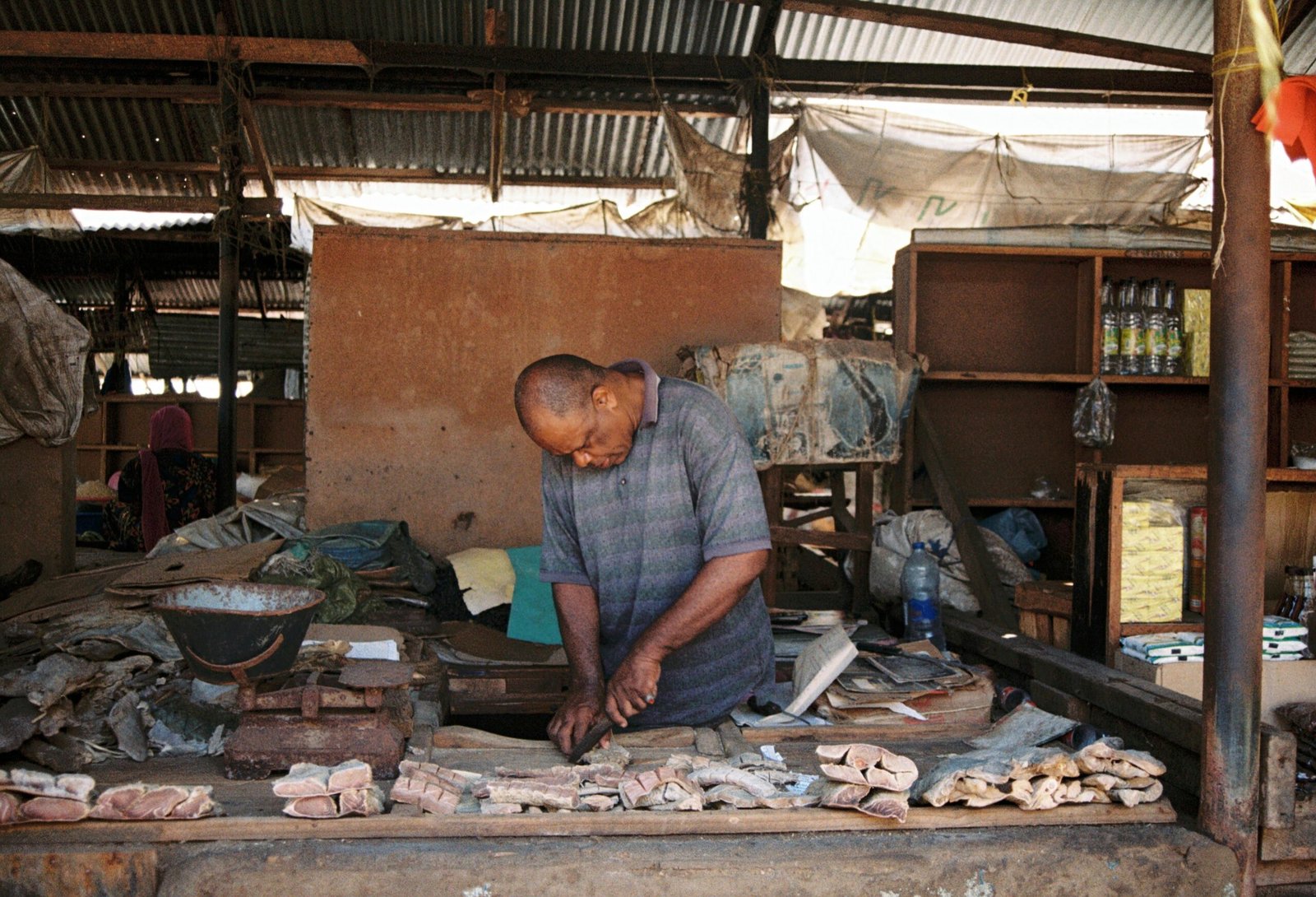
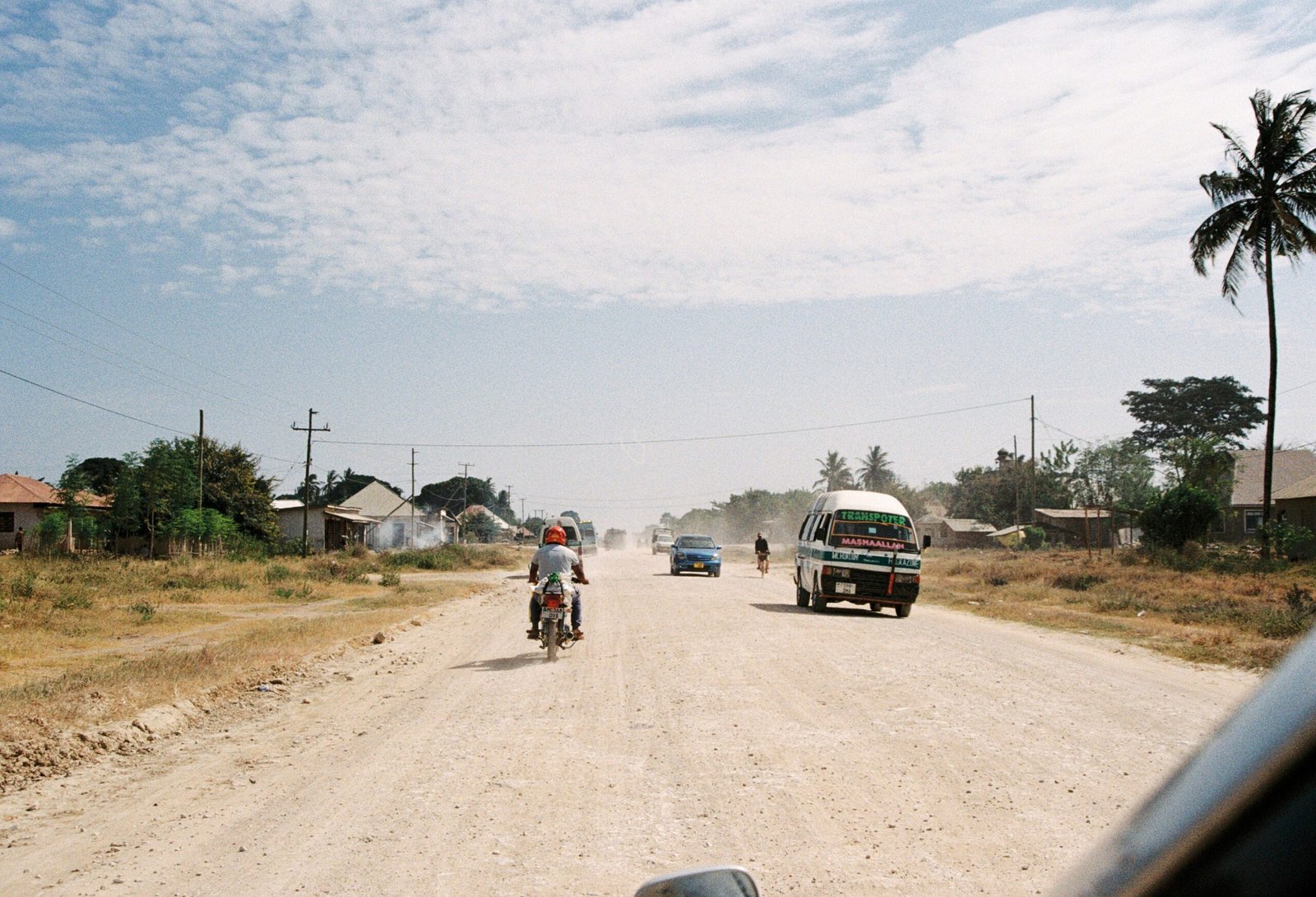
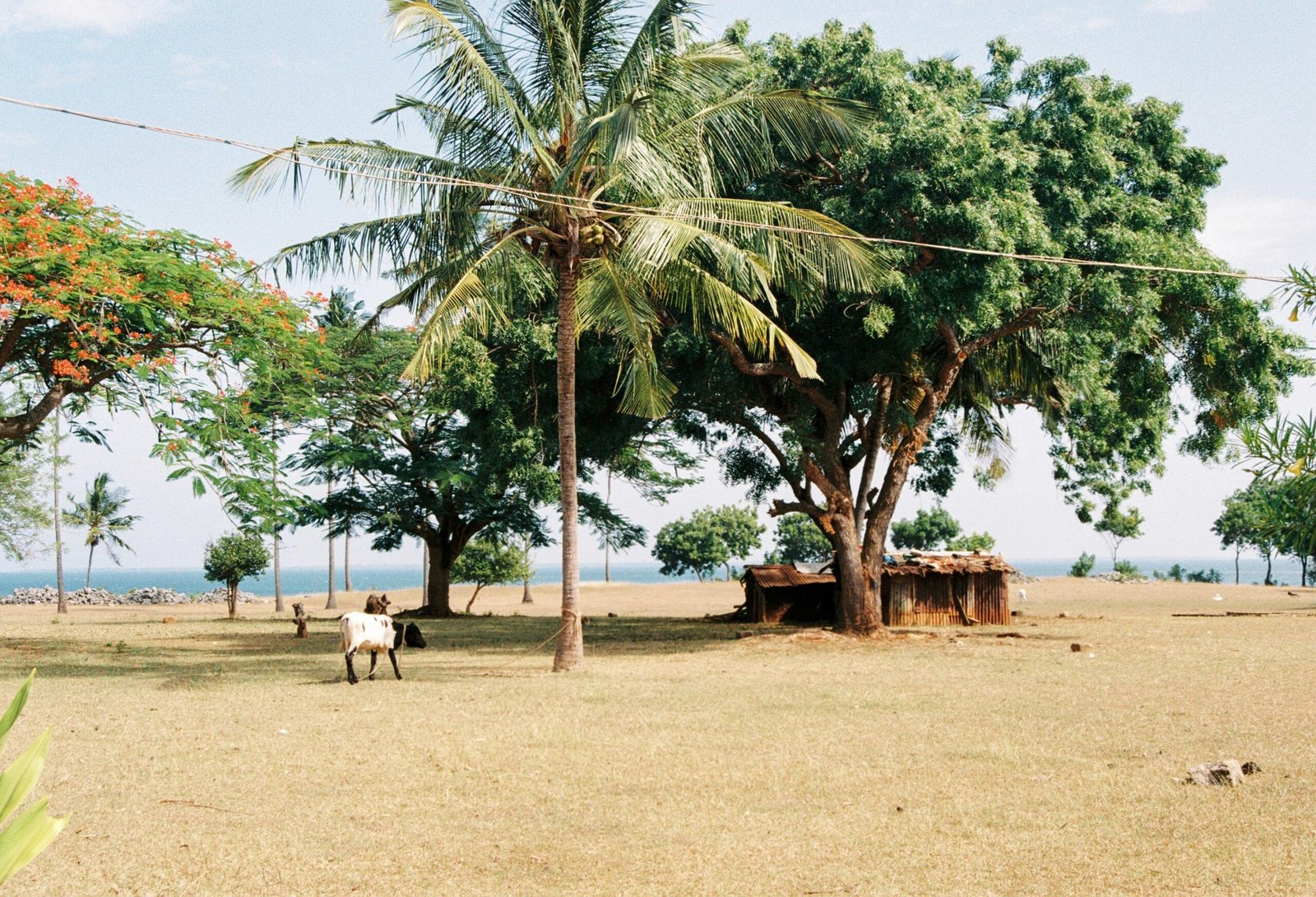
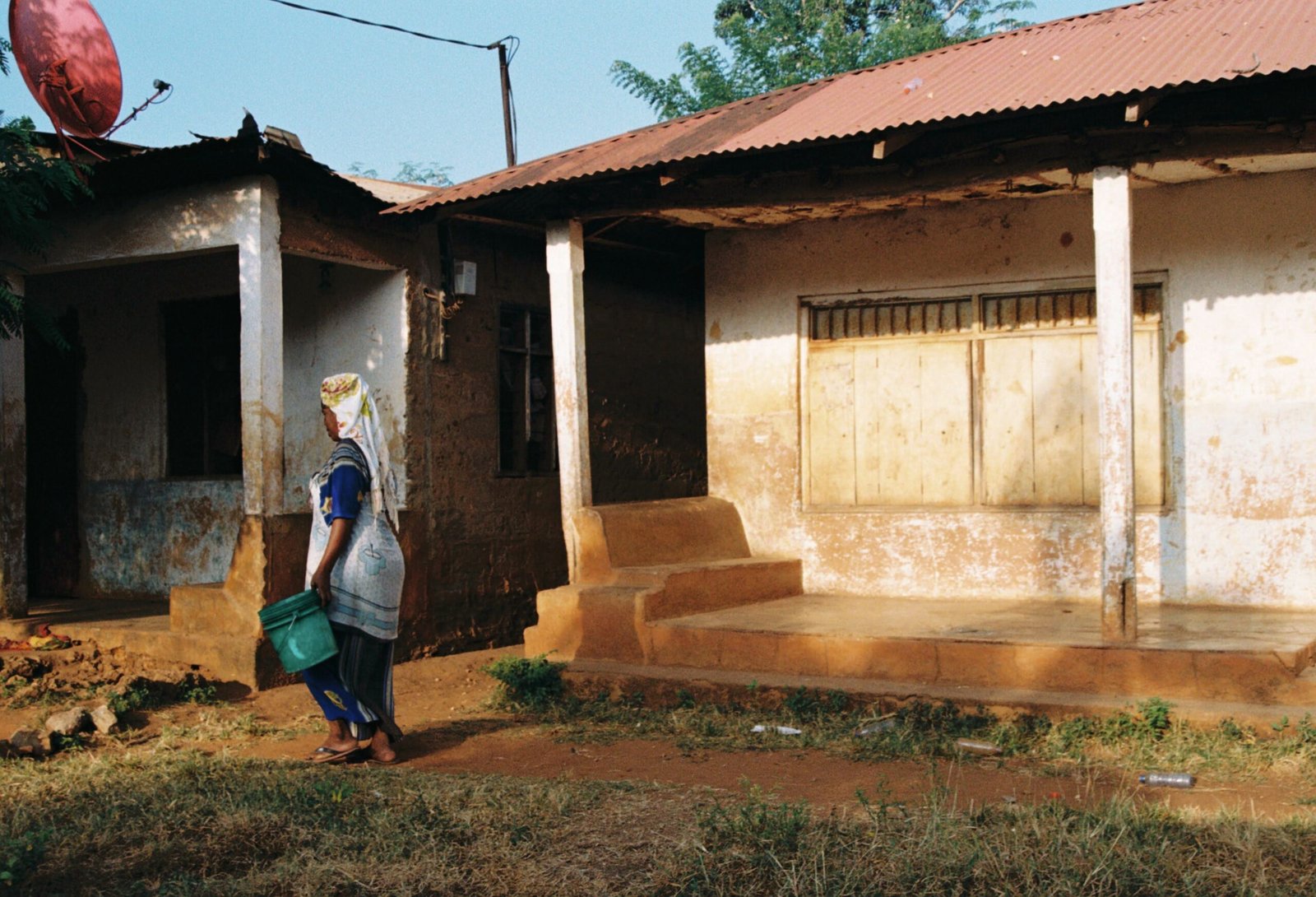
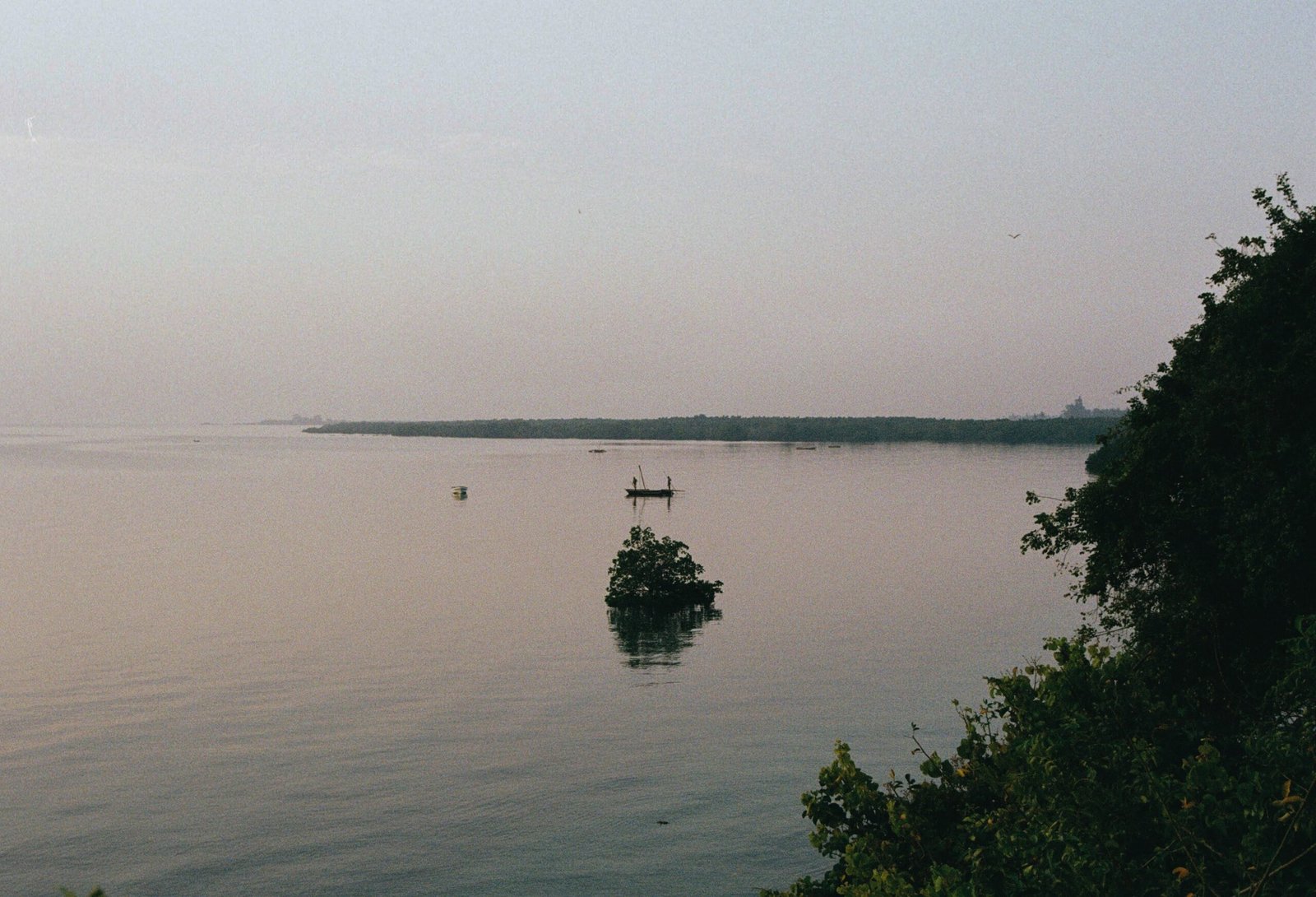
Tanga is a cocktail of intense heat, dried fish, blue horizon, white dusty roads and urban rhythm. It might not sound so inviting and might indeed not be the highlight of your trip, but its crowded streets, bustling markets and its islamic influence makes this port city unique in its kind. Every area of the city has its own personality, the main loud road, the market area, the seaside, the outskirts, the unexplored districts, the private villas on the ocean. It is surprising how quickly one can transition from multilanes roads where vendors’ stands invade the walkway and horn honks can be disorientating, to peaceful districts where Arabic writings decorate white and blue single-story buildings, and groups of teenagers laugh in the shadow of a palm tree.
What not to miss here is, surprise surprise, the local markets. Paying a visit to Mgandini market means immersing oneself in a maze of narrow streets shaded by large white nylon tarpaulins. There is a whole section dedicated to all kinds of bananas and platanos, while another section is completely permeated with the distinctive smell of fish, both fresh and dried. The market is quite big and will feel like exploring a small remote village under the watchful gaze of its curious locals.
In terms of accommodation, we didn’t find an interesting range of options. As always, we tried to avoid the city centre and went for the small villages surrounding it. Mwambani, with its quiet red roads, children playing under the shade of big trees and stunning views on the Indian Ocean, is definitely a good option. Explore the area patiently to find a place, as it is not always easy, and keep an open mind, you might even end up in a Convent for the night!
Zanzibar
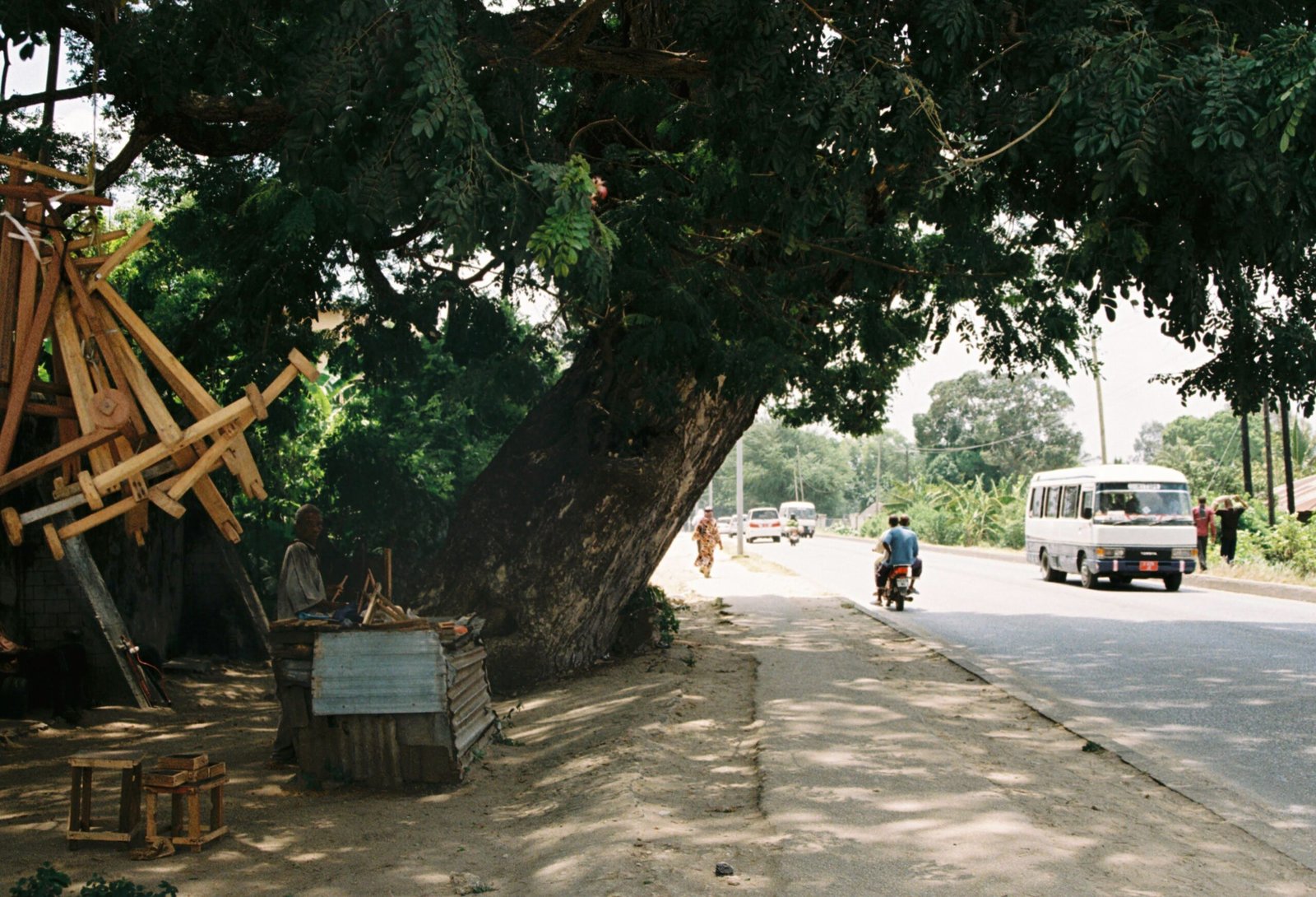
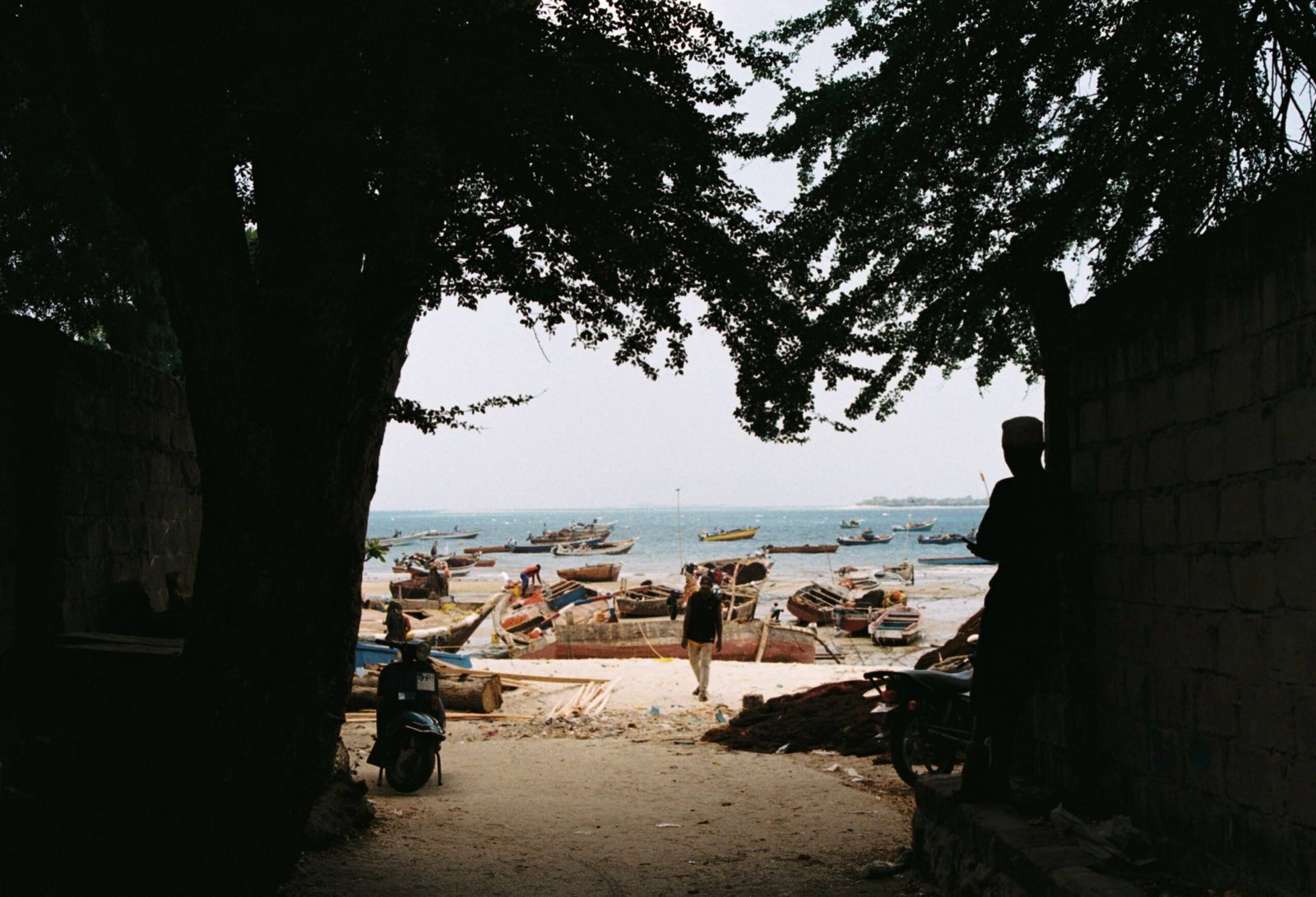
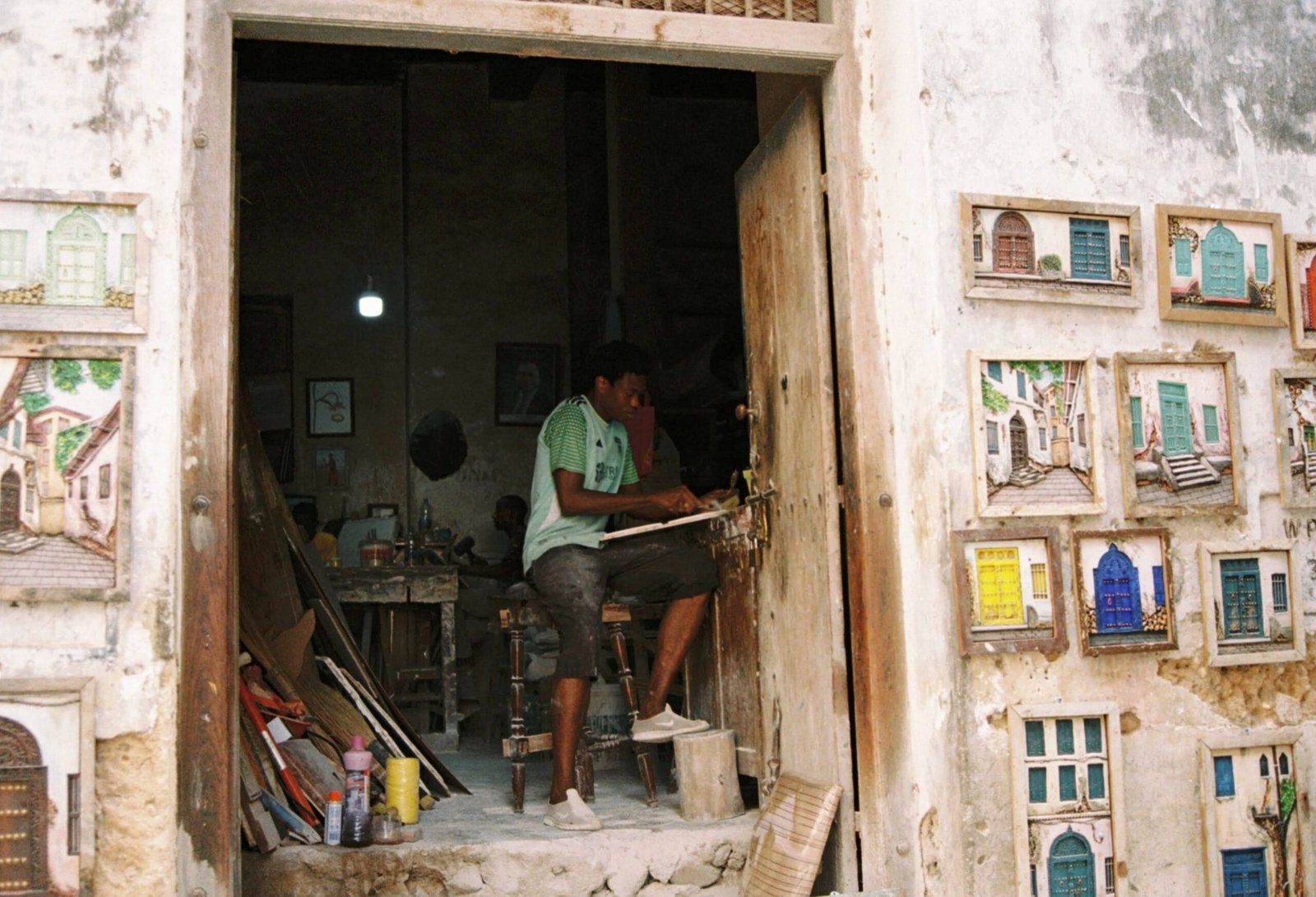
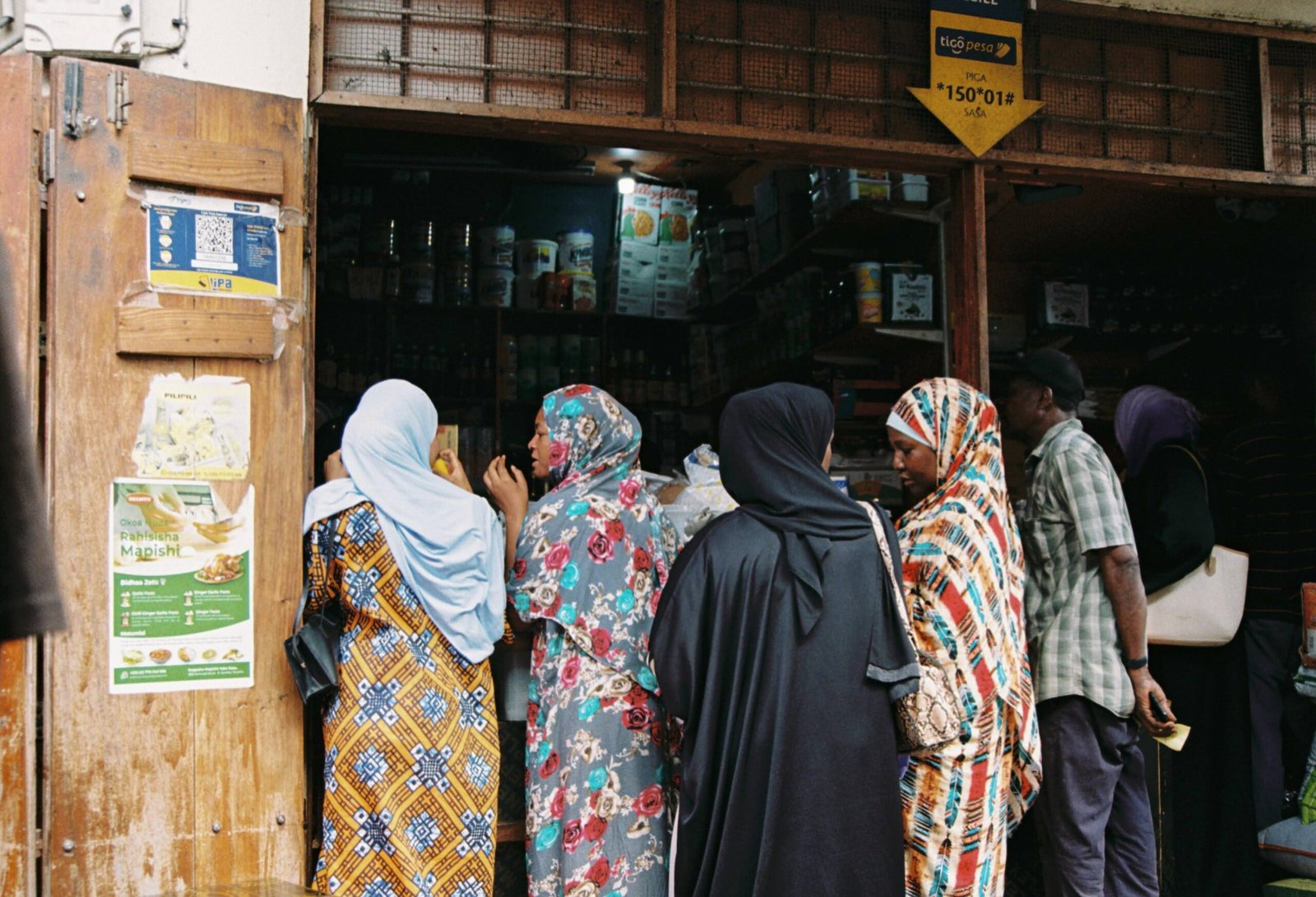
Getting to Zanzibar from mainland Tanzania is physically easy but financially expensive.
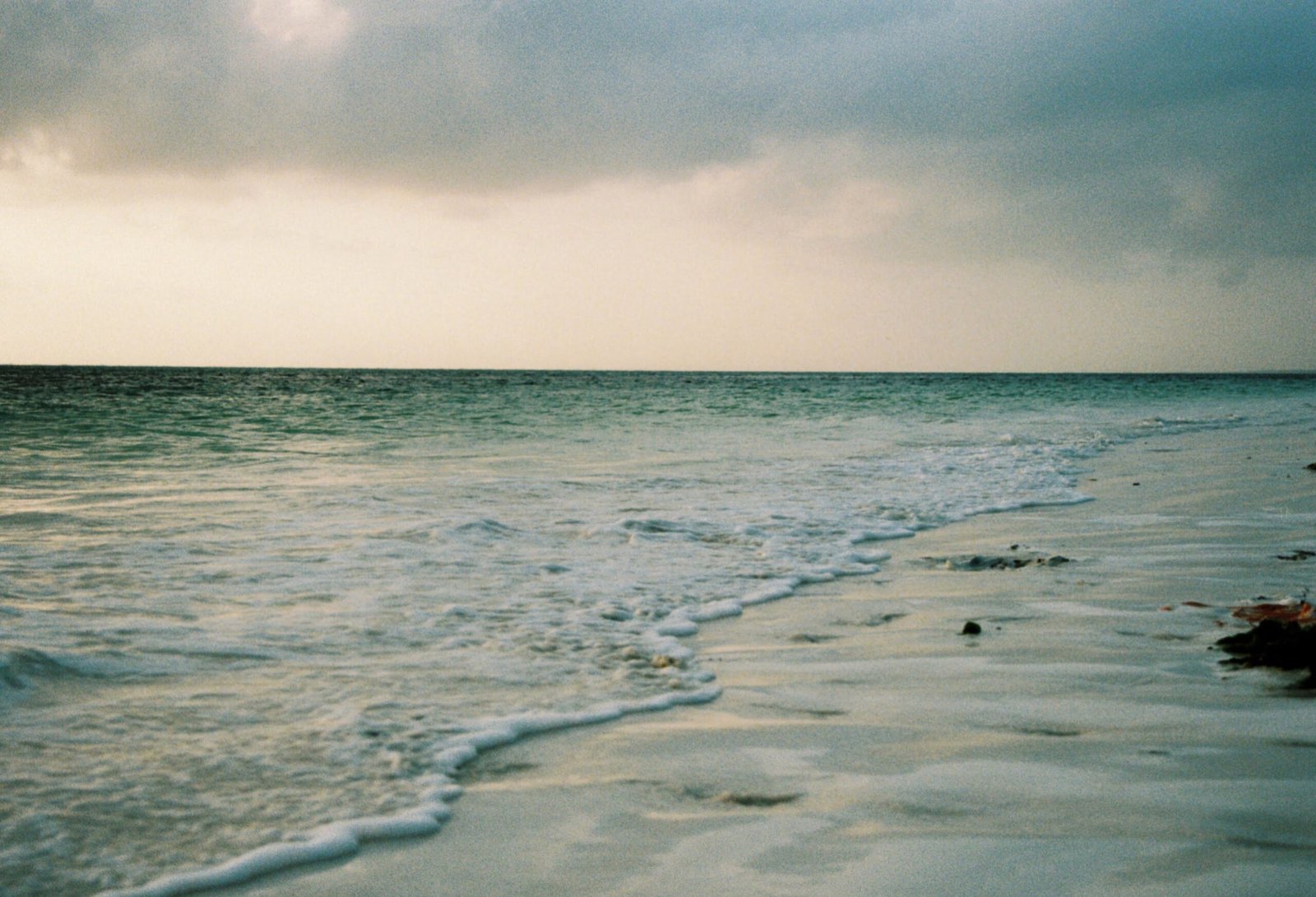
But the beauty of the island and of its beaches will soon make any initial frustration evaporate. This is the perfect place to recharge and relax after the adventurous mainland.
Zanzibar has a different energy from the inland. Spread on the white and turquoise coast, luxury resorts look like little heaven oases, cute restaurants have you dine with your feet immersed in the still warm sand, cafes look like someone moved them from a cool European capital directly on a remote island in the Indian Ocean. The African soul is nevertheless always there, with fearless young men climbing tall palm trees to collect coconuts, chatty Masai vendors in their traditional clothes roaming along the beach and the smell of delicious seafood and meat cooked on the street barbecues. The contrast between the touristy beach atmosphere and the real local life unfolding right behind it is sometimes disorientating and difficult to not notice, but the island offers plenty of different ways to be experienced and a compromise in this contrast is always possible, and important to pursue.
Upon your arrival on the island, all non-residents will be required to either show or to purchase on the spot the Inbound Travel Insurance. This is a mandatory travel insurance provided only from the Zanzibar Insurance Corporation (ZIC). It costs 44 USD, is valid for up to 92 days and only covers your stay in the Zanzibar islands, so excludes mainland Tanzania. It does not matter if you already have another insurance for your trip, there is no way you will be able to enter Zanzibar without it (trust me, we tried), and failure to comply with the requirement can result in you being sent back to the mainland. If this sounds like a scam, you are not wrong, after talking with some locals on the island we learnt that the insurance has numerous hidden conditions and exceptions that make this quite expensive insurance package not reliable at all. So, if you want to be actually covered during your stay in Zanzibar, my suggestion is to anyway buy a second insurance coverage on your own.
You can either fly to the island, or take a ferry from Dar esSalaam. We chose the second option, ferries leave from Dar es Salaam ferry port multiple times a day (depending on the season, but usually 4 times a day, early morning, mid-morning, afternoon, and late afternoon). The journey takes approximately one hour and twenty minutes and the cheapest tickets amount to around 35-40 USD. When planning your island expedition take into account that there are no ferries leaving after 4.30/5 pm and that it might not always be possible to book a ferry ticket last minute (you might need to book at least a couple of days beforehand).
Entering Zanzibar
A perfect example of this compromise is Peace House Natty, in Bwejuu, a small town on the eastern coast. Bwejuu in general is a tranquil area with a breathtaking and less frequented beach that really allows you to enjoy the peace and relaxation of the island. At least once, it’s worth getting up early to swim in the ocean at dawn. It is also just a few minutes by tuk tuk/ car/ motorbike from bigger towns like Paje and Jambiani, where you will find all necessary facilities, delicious street food and beaches that get crowded with kitesurf learners at sunrise.
Speaking about food, my restaurant recommendation here is the Lecker Lecker in Paje, it offers a very informal and simple atmosphere, but delicious freshly cooked food at affordable prices.
Type of accommodation: three / four double rooms totally
Food: on request, breakfast not included
Price: around 35$ for a double room
The sweet and energetic host Natty and his lovely friends and colleagues will enthusiastically welcome you with an incredibly tasty tamarind juice and a lot of big smiles. House of Natty operates on an eco-tourism model for accommodation, tours and experiences, strongly linked with the local community and the surrounding ecosystem. Here you will find engaging and fun conversations on a big table immersed in bamboo and vivid colours, delicious locally grown food and a cosy, relaxed, home-like atmosphere that really feels special.
Peace House Natty, Bwejuu
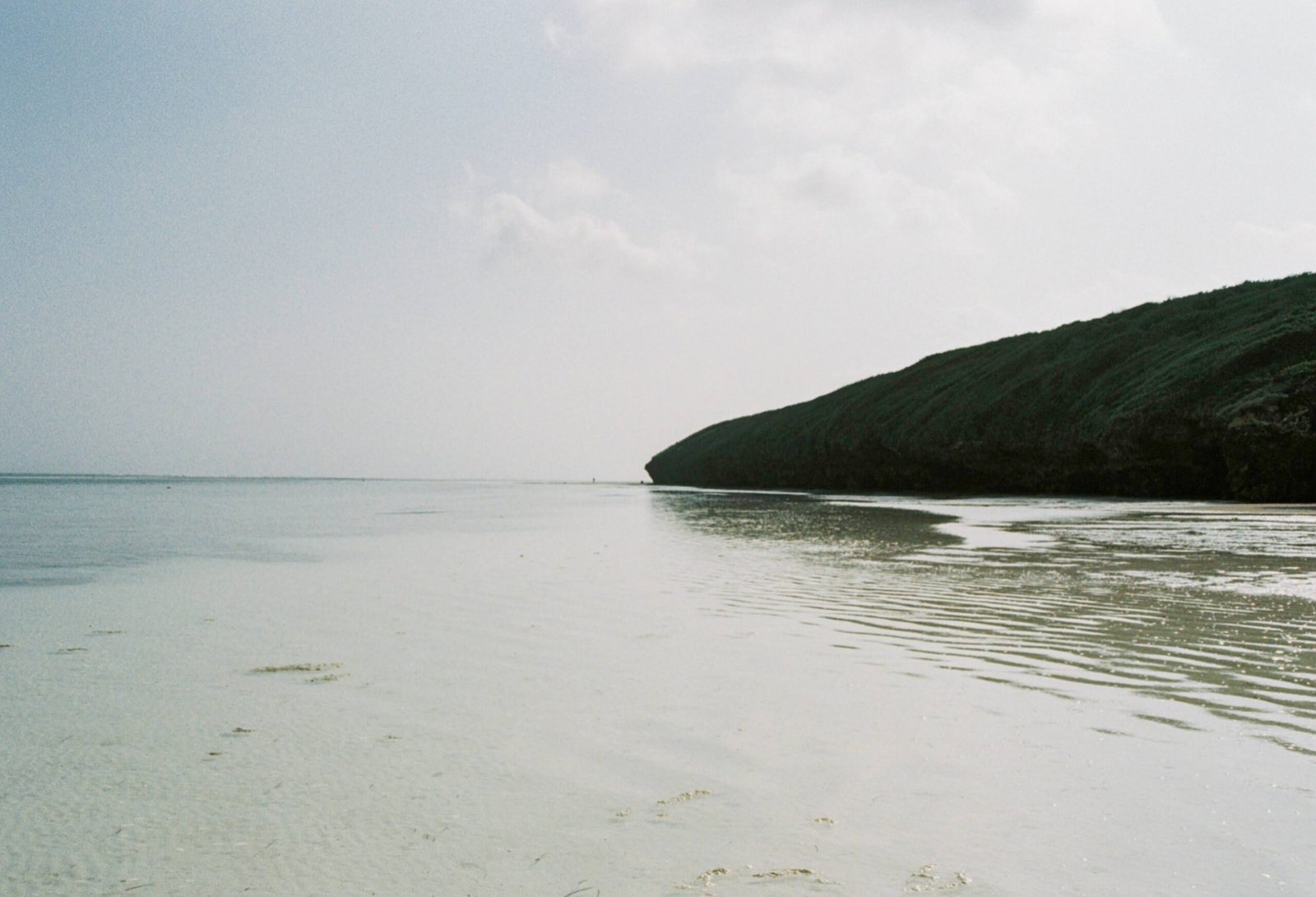
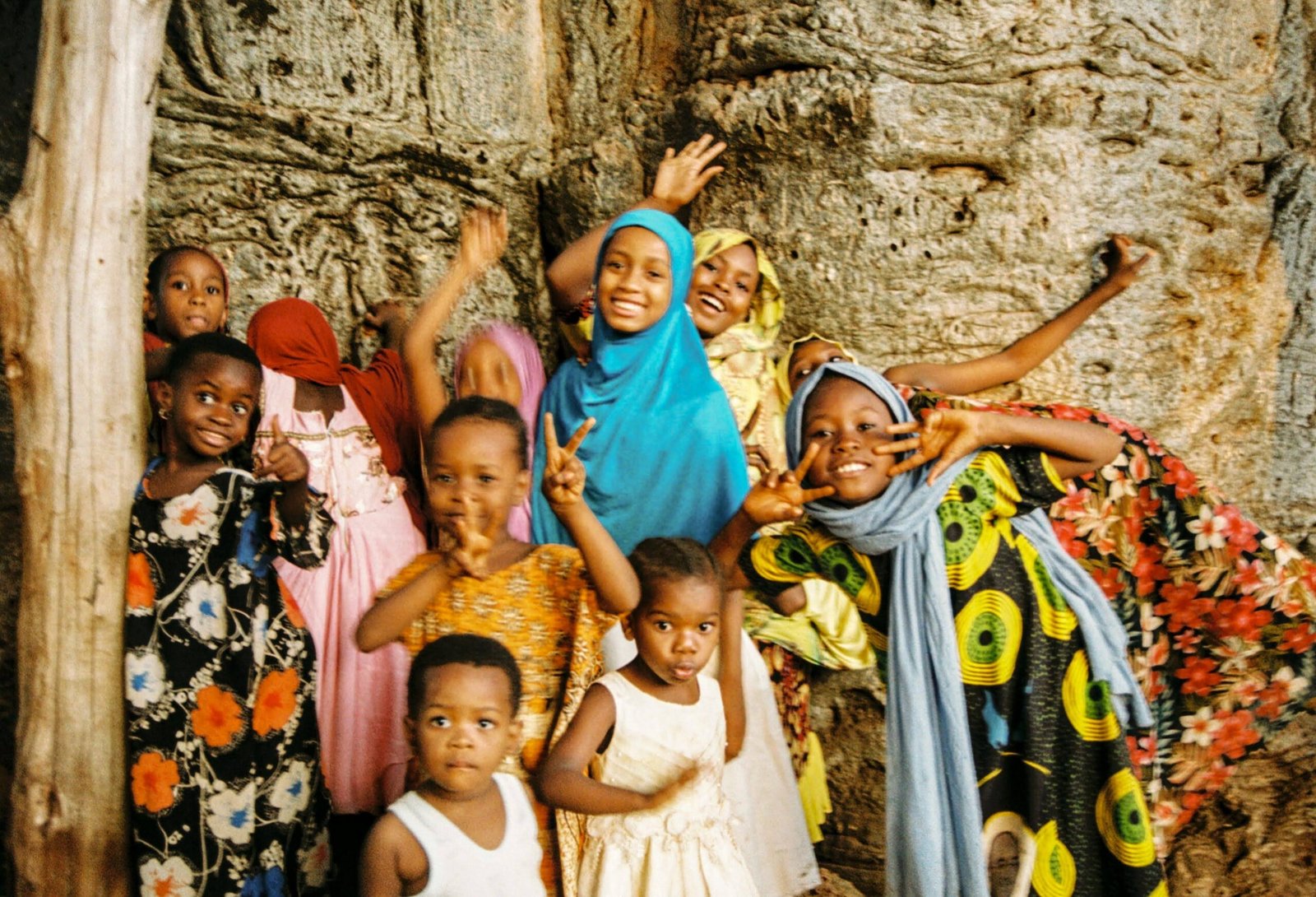
In case you get bored of laying on a white sandy beach on the Indian Ocean, Zanzibar island offers plenty of activities you can try out (not for cheap though), from fishing expeditions and island hopping, to natural caves with turquoise water and kayaking through mangrove forests, and of course scuba diving and kite surfing for the most adventurous. A trip to the Secret Beach in the south is worth the trip (around 30 minutes from Paje). Despite the name, this is a quite well known beach because of its unique conformation, where wild dark cliffs abruptly meet the fine white sand, giving the place a surreal atmosphere. With low tide, you can explore the beach walking with your feet immersed in the clear water until your ankles. Be careful though, the tide moves fast and before you know it you will find yourself in deep crystalline blue waters. The village right before the beach, Mzambarauni, is peaceful, with children playing on the streets underneath ancient beautiful baobabs.
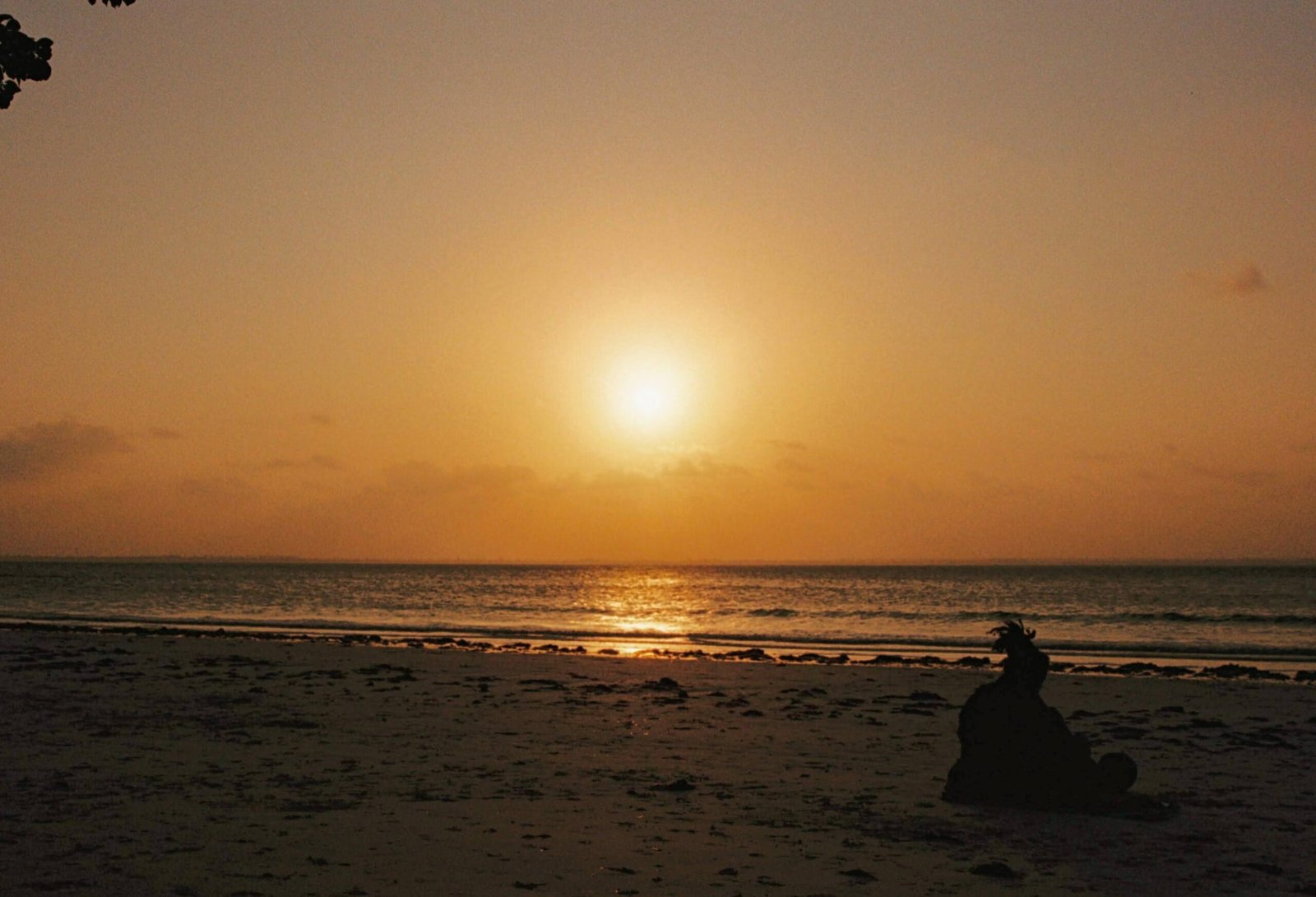
The best sunset spots on the island are of course on the west side and in the north, but Michamvi is just 20 minutes with the car or motorbike (the latter being the best transport option to explore the island) and offers an incredible sunset view without travelling too far from Paje. Here you can also explore the mangrove forests by foot or with the kayak, depending on the tide.
Stone Town is the historic core of Zanzibar and deserves at least a 1 / 2 day visit, maybe on your arrival, before venturing into the heart of the island. There are numerous historical landmarks and museums that can entertain for hours. Alternatively (or additionally) a stroll through the narrow streets of the city will be an experience on its own. Stone Town is bursting with quaint little streets, artistic expression in all its forms, talented craftsmanship and lively bazaars. Take your time and get lost in this picturesque maze.
Type of accommodation: a few double rooms and a studio option (with private little kitchen)
Food: delicious home cooked meals at affordable prices
Price: around 20$ for a double room / studio
Hidden about 20 minutes away from Stone Town centre, this peaceful guesthouse is a truly beautiful surprise. It offers just a few cosy rooms overlooking a colourful inner courtyard with a large rope swing in the centre. The true highlights of this place are its friendly and available host, Moussa, and the rich and delicious home cooked meals.