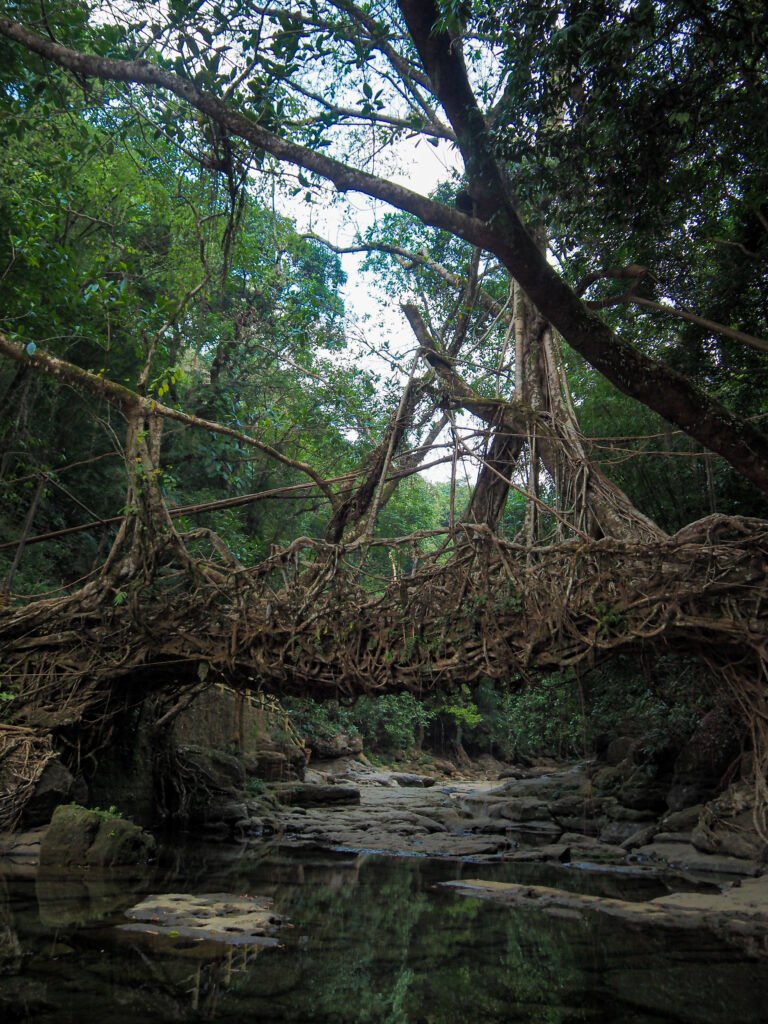
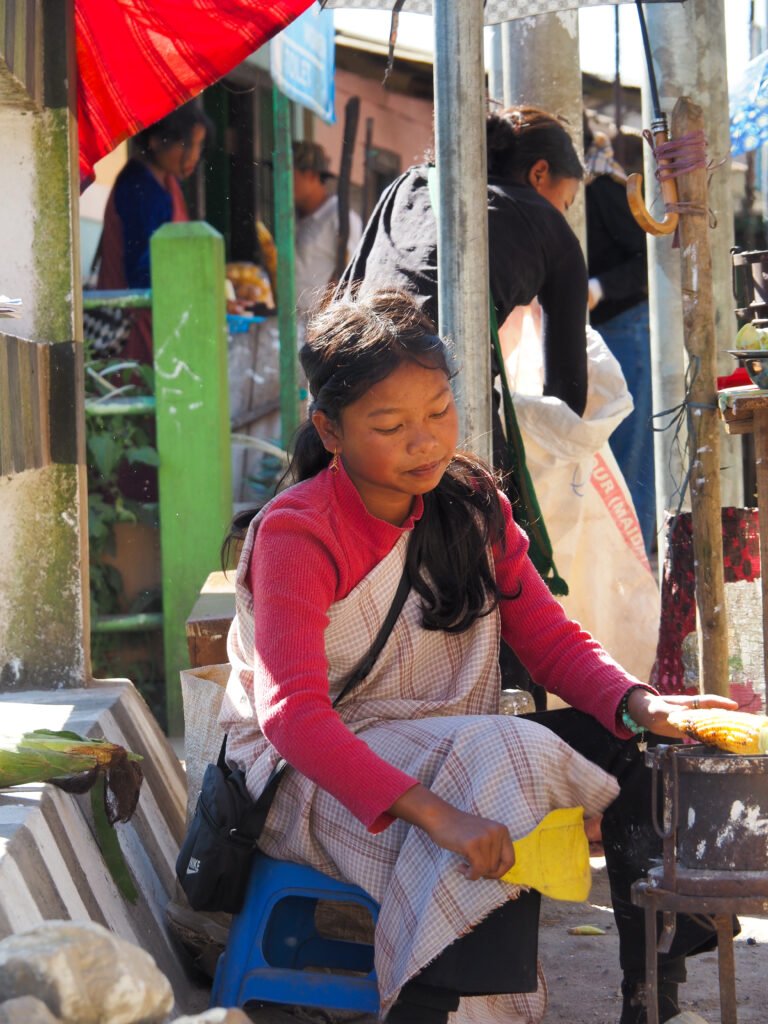
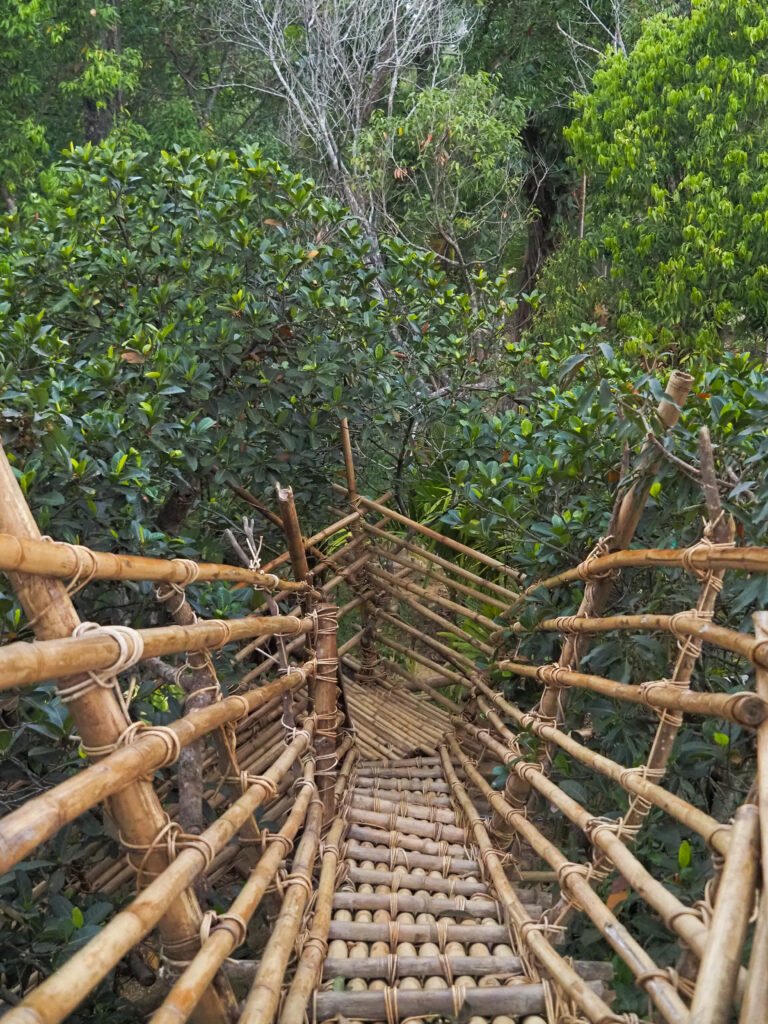
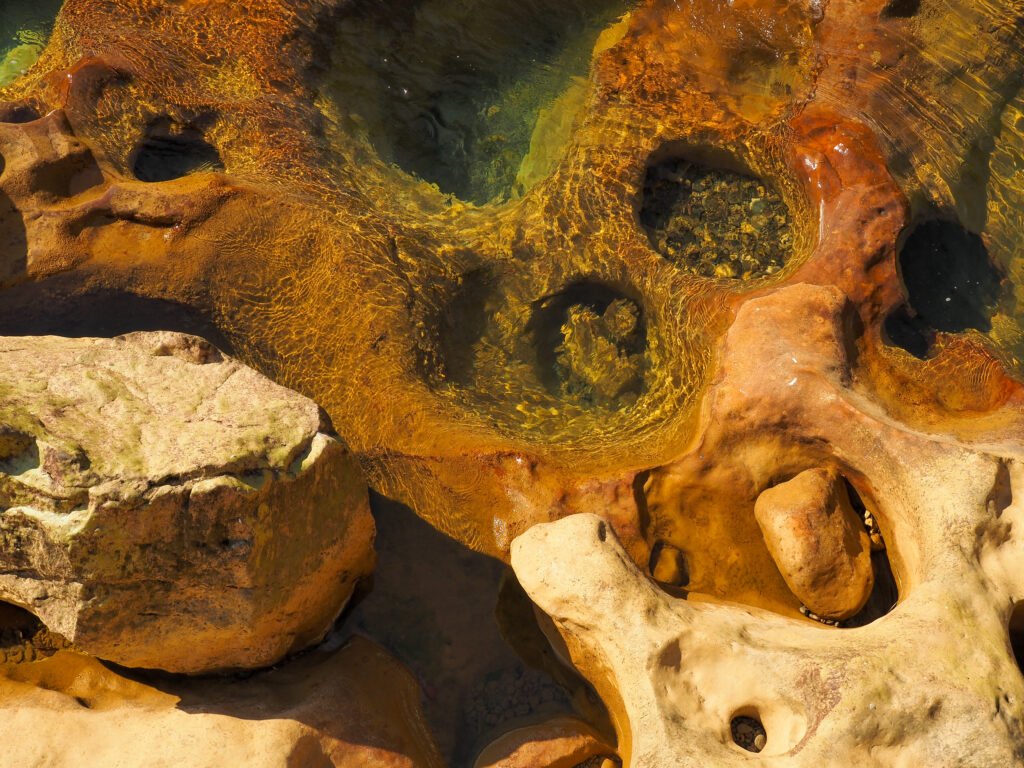
Traveling to Meghalaya feels like stepping into the natural scenery of a movie or fairytale. The region is teeming with breathtaking waterfalls, peaceful forest clearings, tall and skinny betel nut trees, dense jungle, crystal clear streams and extravagant rock formations. Exploring the region is a reminder of how nature is the ultimate queen of art and wonder, and here she has truly indulged herself.
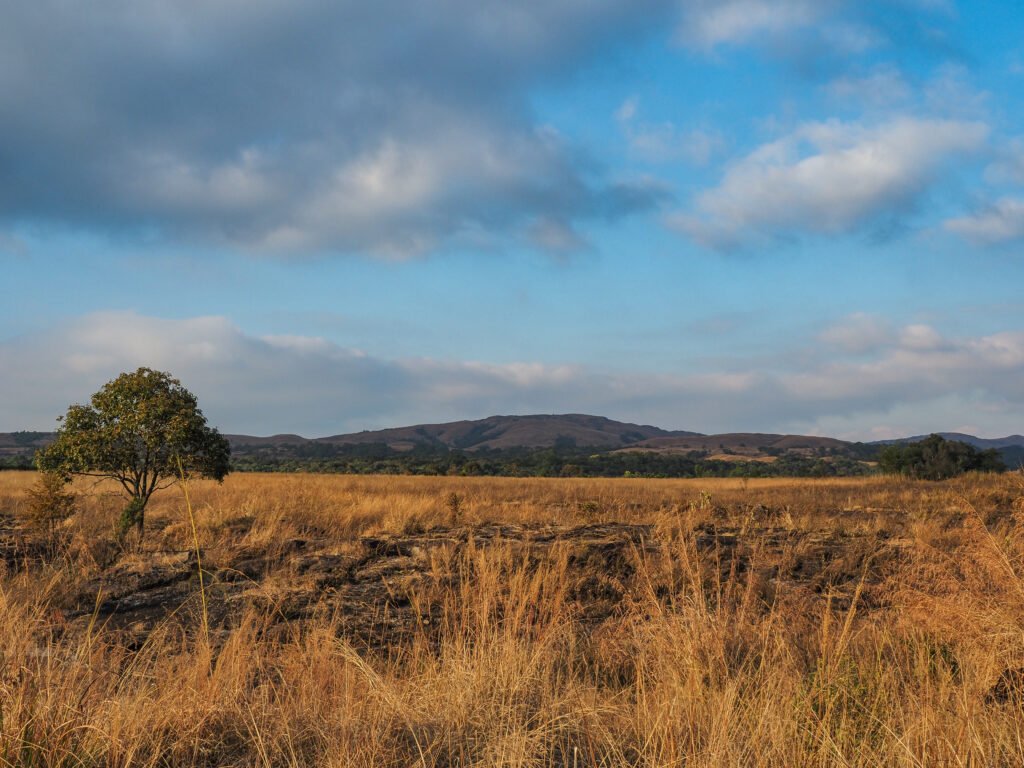
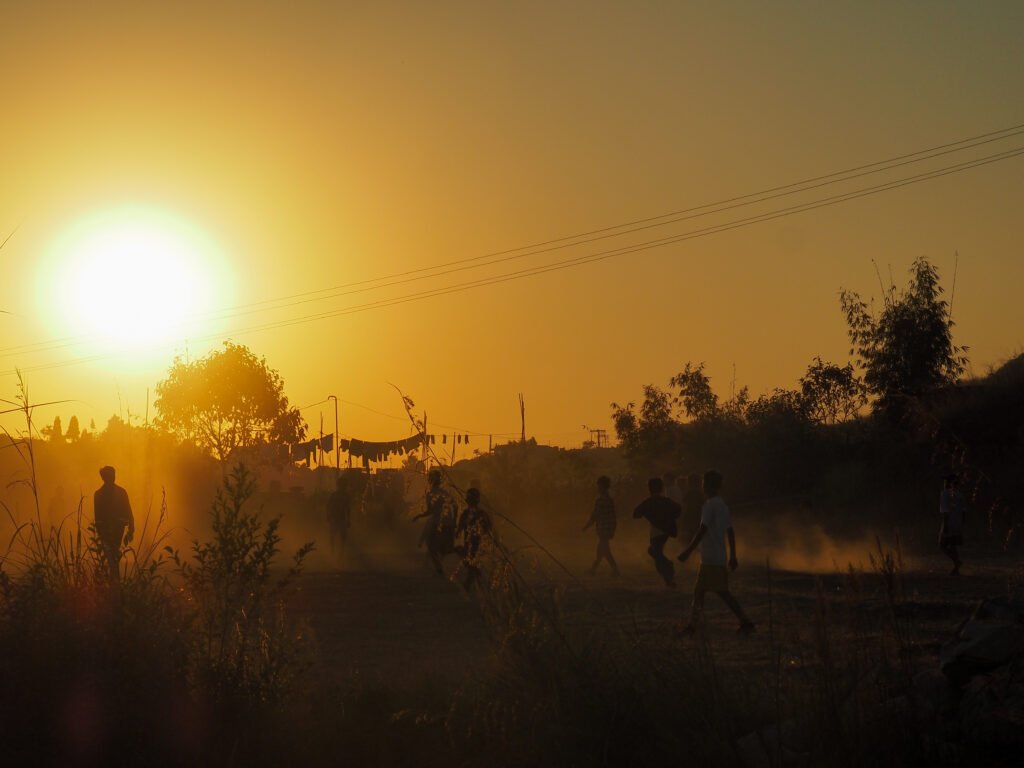
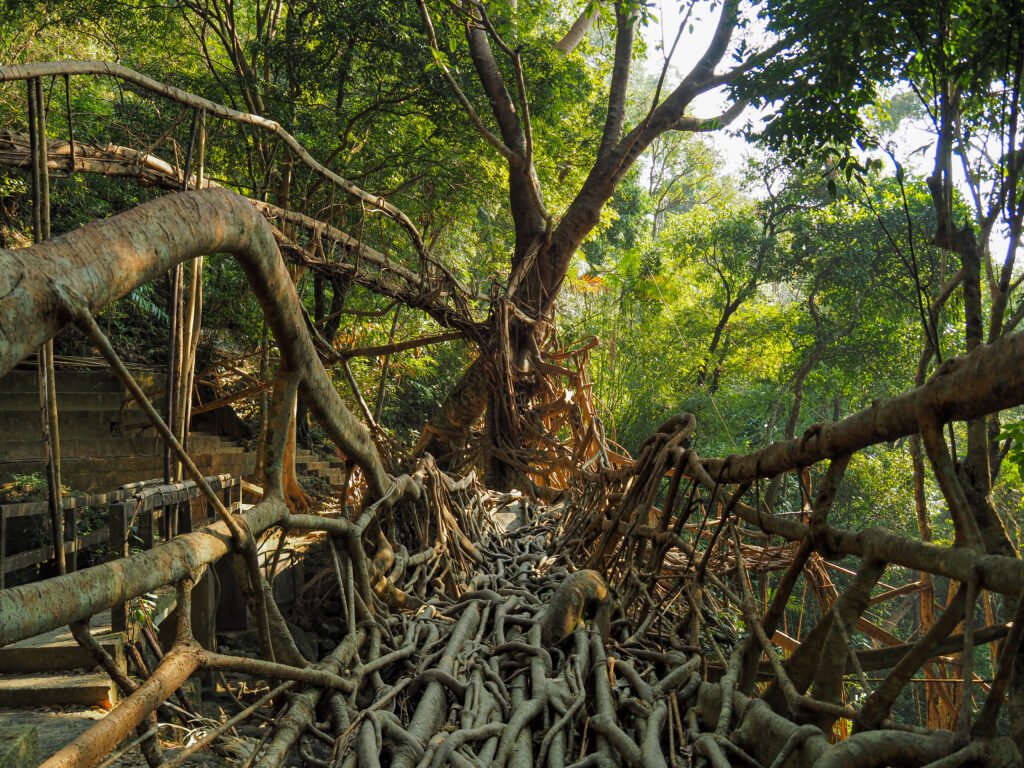
Meghalaya is also the scene of some of the most extraordinary forms of collaboration between nature and people, the root bridges. Khasi and Jaintia tribes live on steep-valley terrains, at the edge of dense forests and separated from their fields and from other villages by numerous streams that grow exponentially in size and intensity during the monsoon season. The region is home to some of the rainiest places on Earth, like Mawsynram, which has been crowned the “wettest place on Earth”, with an average rainfall of almost 12 meters per year. Tribal people learned to create infrastructures that were able to sustain and survive these exceptional environmental conditions and could provide long-lasting connectivity in the region. They trained and guided roots of the ficus elastica trees growing on the riverbanks through scaffoldings made of hollow bambù and betel nut trunks across the river. The trees then did the rest, shaping, weaving and intertwining its long aerial roots into extraordinarily sturdy bridges that strengthen over centuries and can last up to 500 years.
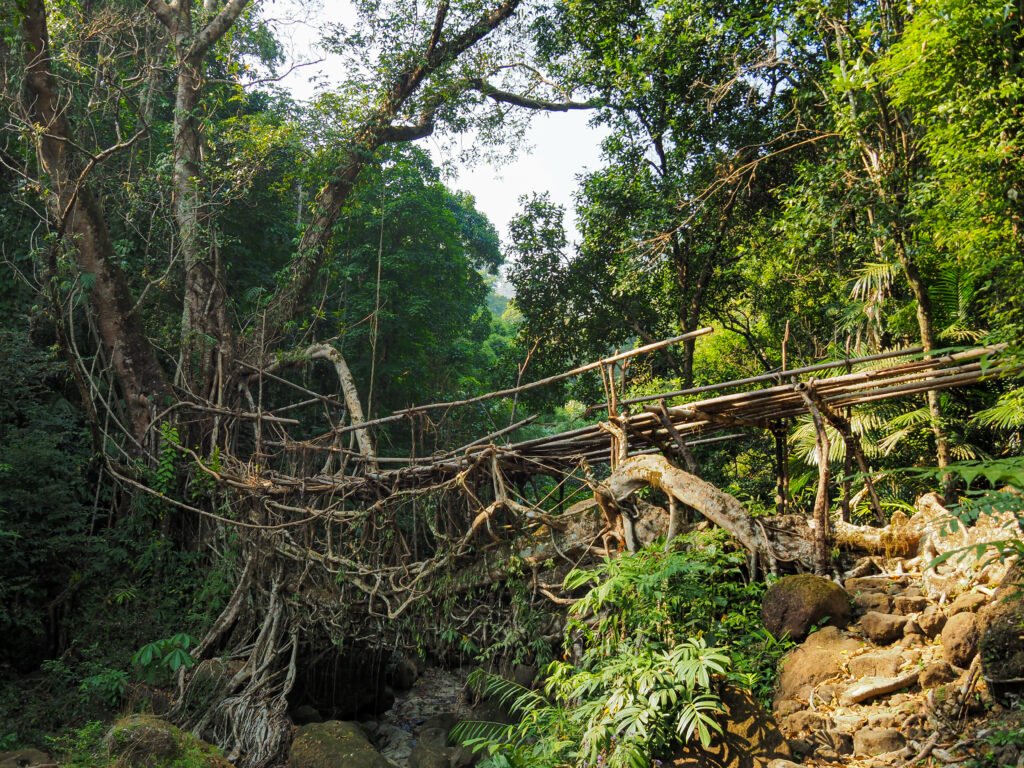
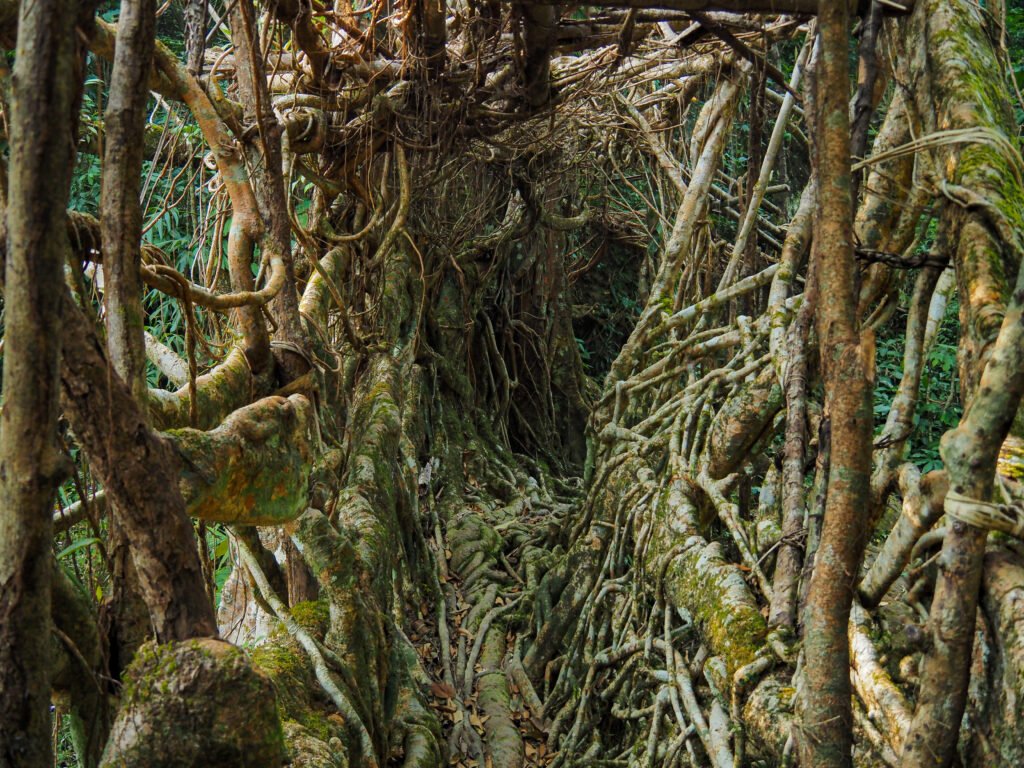
Meghalaya hosts more than hundred root bridges, a truly beautiful testament to indigenous bio-engineering. Despite what one might think, the best spots are often not the most famous ones. Visiting a root bridge is a truly magical experience, observing its breathtaking intricate beauty, walking on its sturdy and reliable structure and feeling the knobbly and intertwined roots with your hands. This is something you want to do alone, in your own time and space. Umkar and Ummunoi living root bridges offered this magical experience to us. As a big plus, a large and welcoming family runs a truly beautiful homestay surrounded by tall betel nut trees and facing the vast green plains of Bangladesh, Ha La iing is a must stay place.
There’s so many beautiful places to see in Meghalaya that planning the trip can easily get overwhelming, and you’re most likely not going to be able to see everything, maybe not even half of it. The good news is that wherever you end up going, it will most likely take your breath away.
We explored the area of Cherapunji and Mawlynnong, so here are my suggestions depending on what you’re looking for in and around these areas:
Waterfalls:
- NohKaLikai Falls: with their 340 meters plunge, these falls are truly breathtaking, in the rainy season especially, when you can admire their majestic beauty from the viewpoint. In winter you can explore the riverbed and even reach the very top point of the waterfall to enjoy the breathtaking view and the fresh breeze.
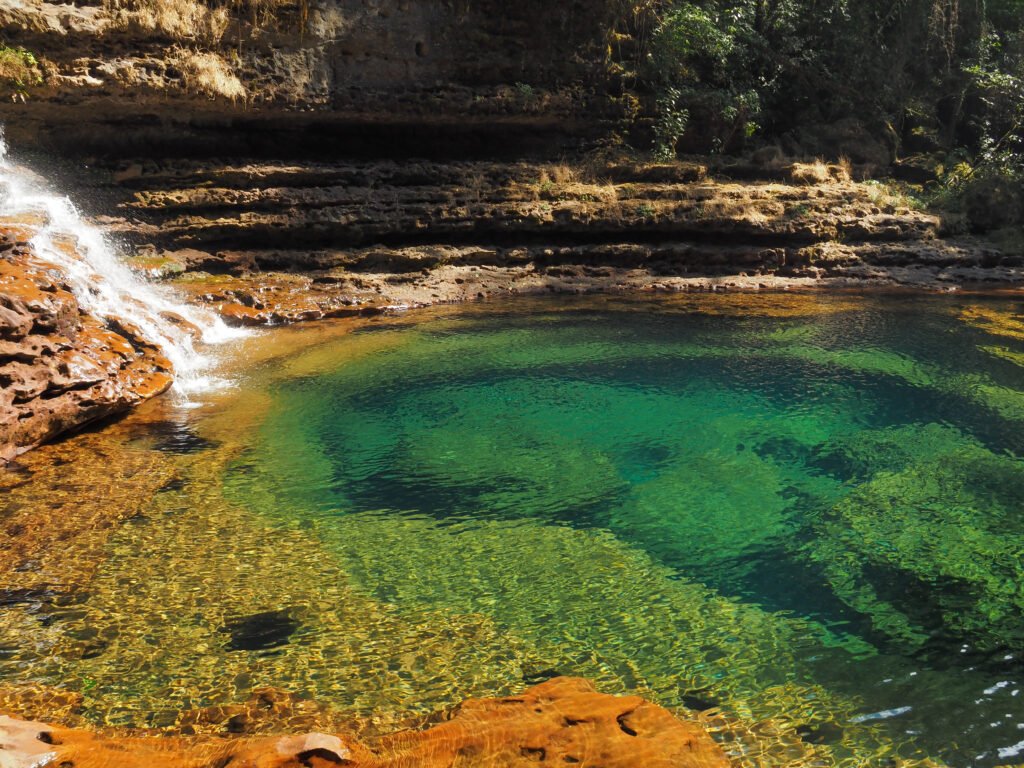
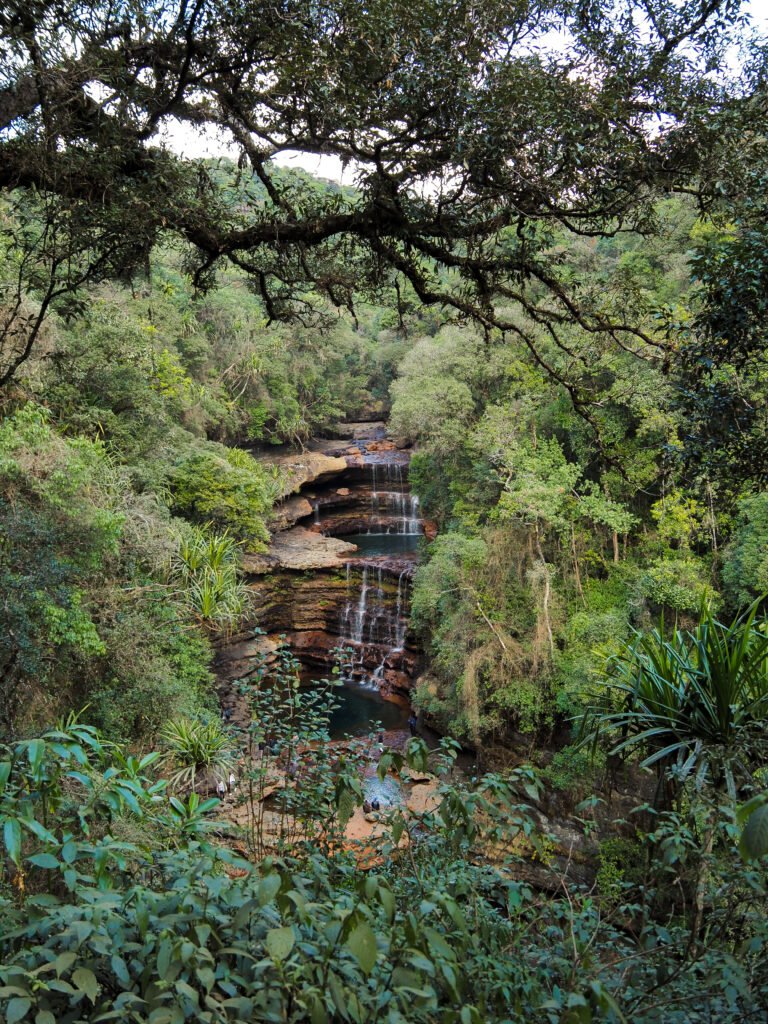
- Wei Sawdong Falls: quite touristic thanks to their relatively easy access via a steep bamboo staircase, but still beautiful, especially for their unique three-tiered structure and the blue-green-orange colour of their natural pools.
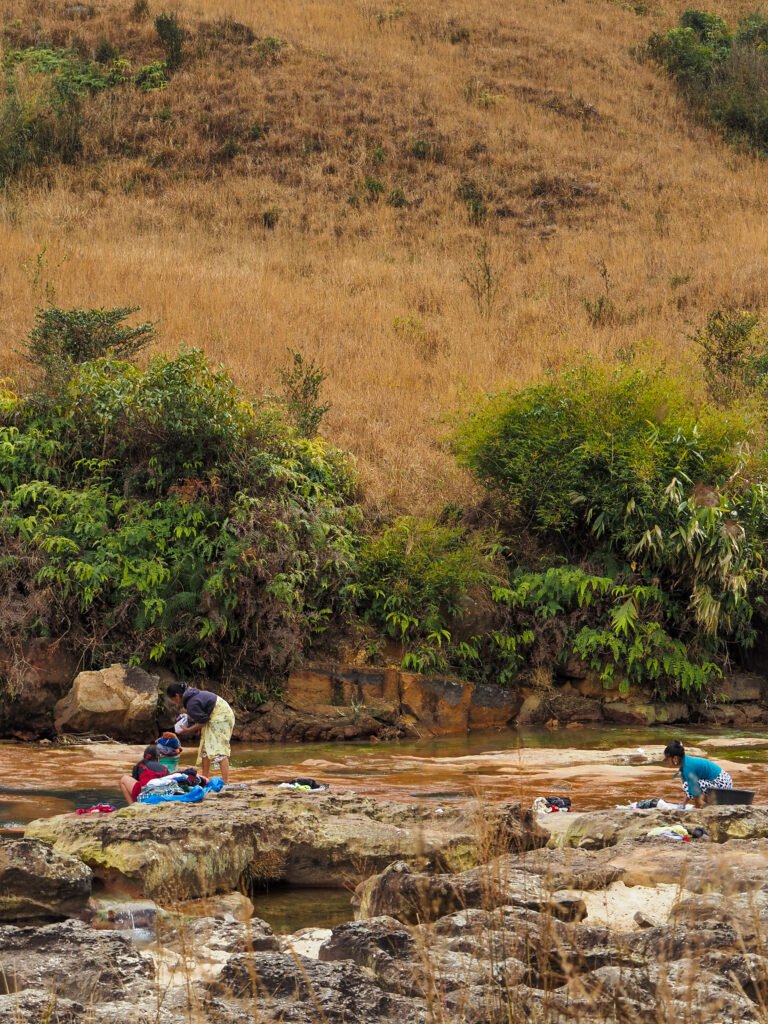
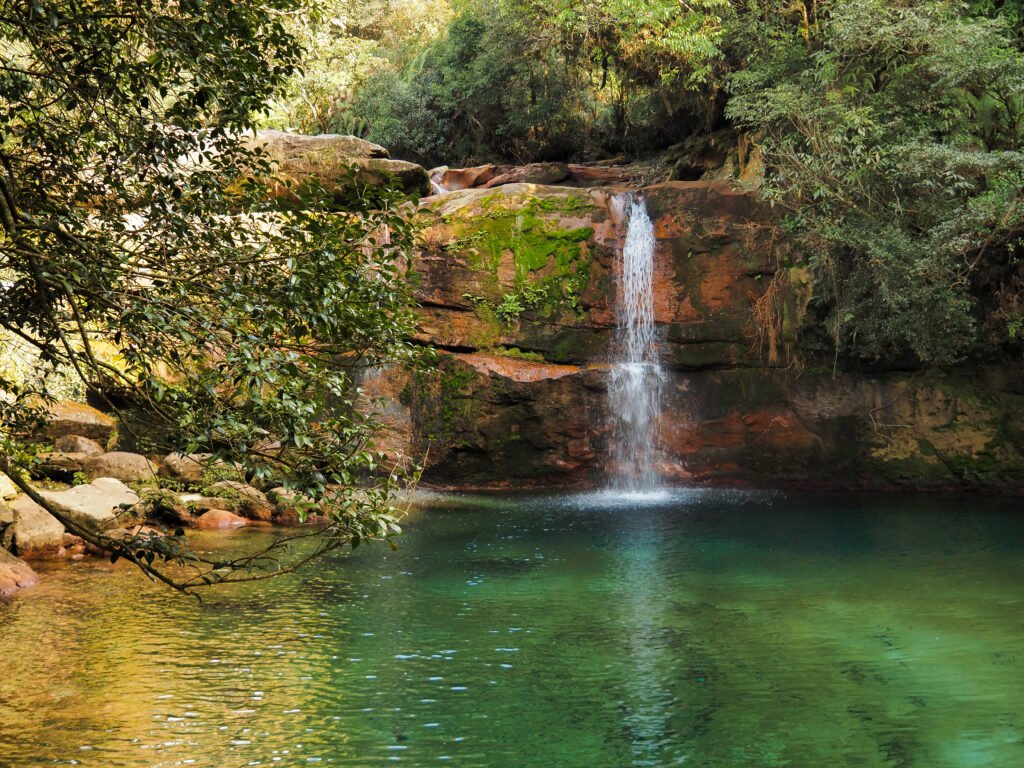
- Rangsohkham Falls: for the good things you have to work a bit, and these falls are a good example of this. Hidden out of the beaten way, the Rangsohkham falls offer a most likely private experience of the Meghalaya wilderness. A twenty-minute walk leads up the river, where locals gather to wash their clothes and cars, and into the dense forest. The jungle opens up to a crystal clear pool of freezing cold water, make sure you get there early in the morning, when the sun filters through the branches of the tall trees and glistens on the pool at the foot of the waterfall.
Rivers:
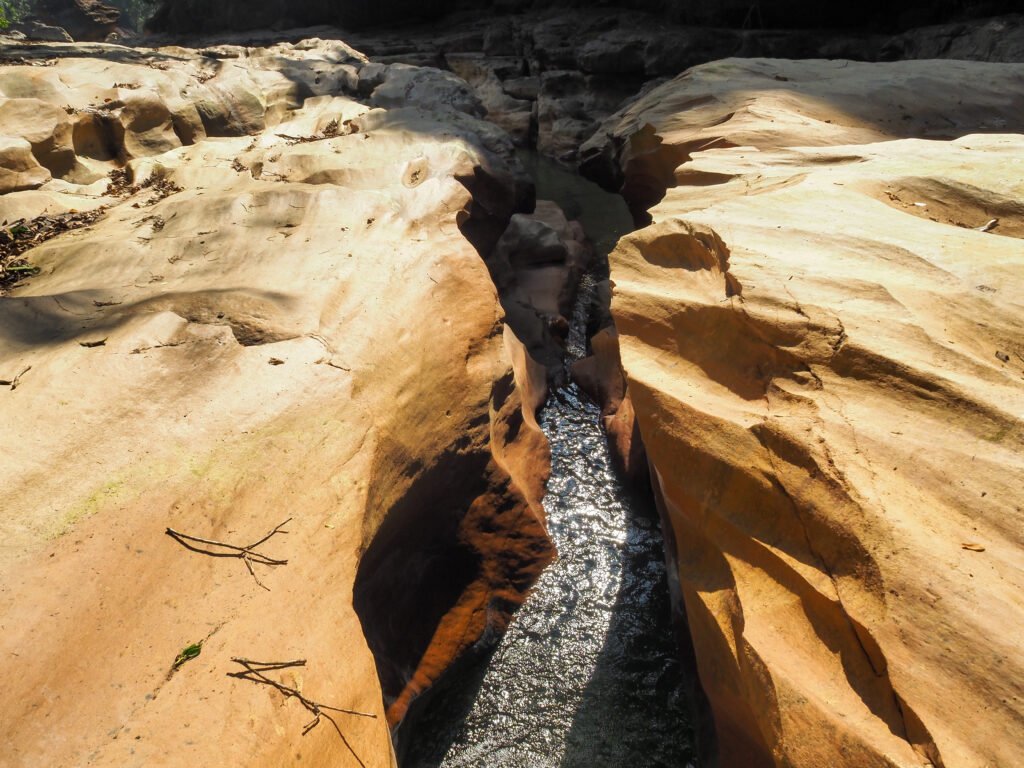
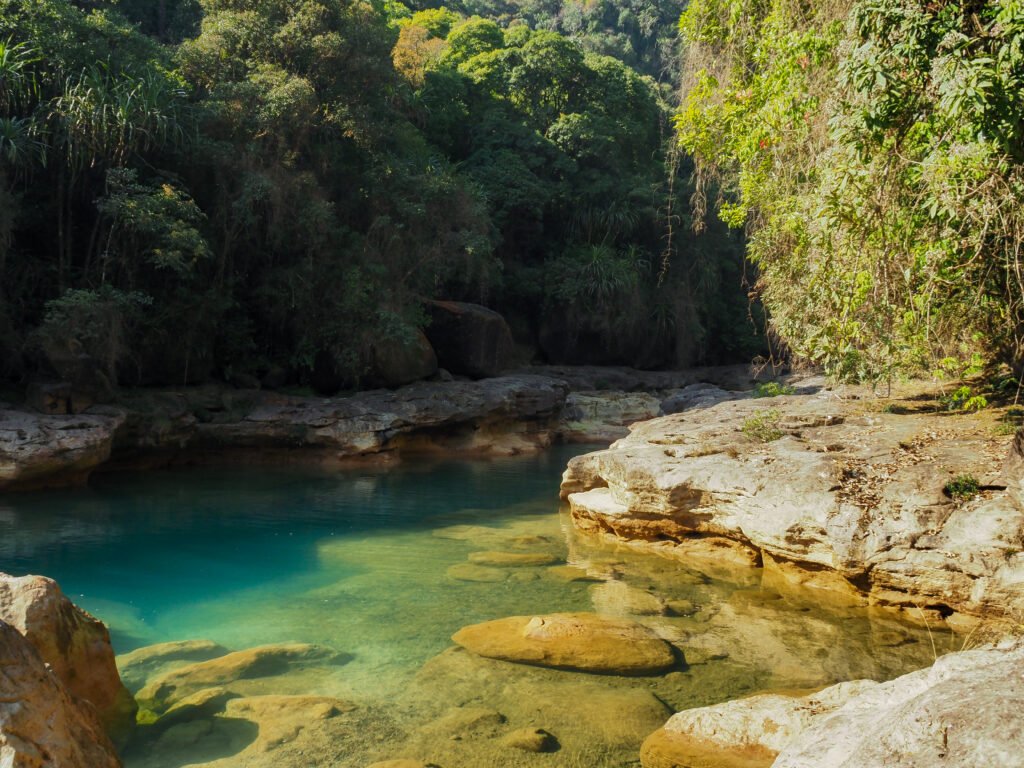
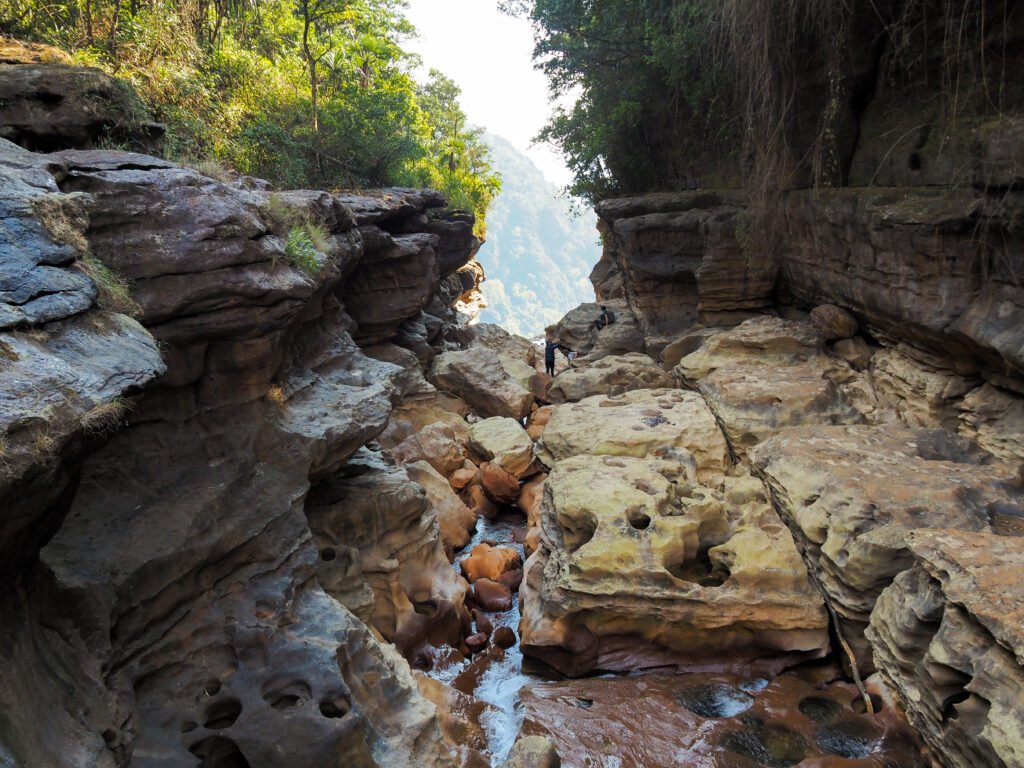
- NohKaLikai top riverbed: during the dry season, the low water level allows access to the riverbed with its smooth large pavement and artistic rock formations and to enjoy the crystal clear (and freezing) water of its stream surrounded by the dense green forest.
- Mawrynkhong Shella River: unstable looking bambù bridges laying on big round and smooth rocks join parts of this big river at the border with Bangladesh. The water is blue, clear and rejuvenating. Explore the riverside to find the right spot for you, in the most popular ones women are not allowed to swim in bikinis.
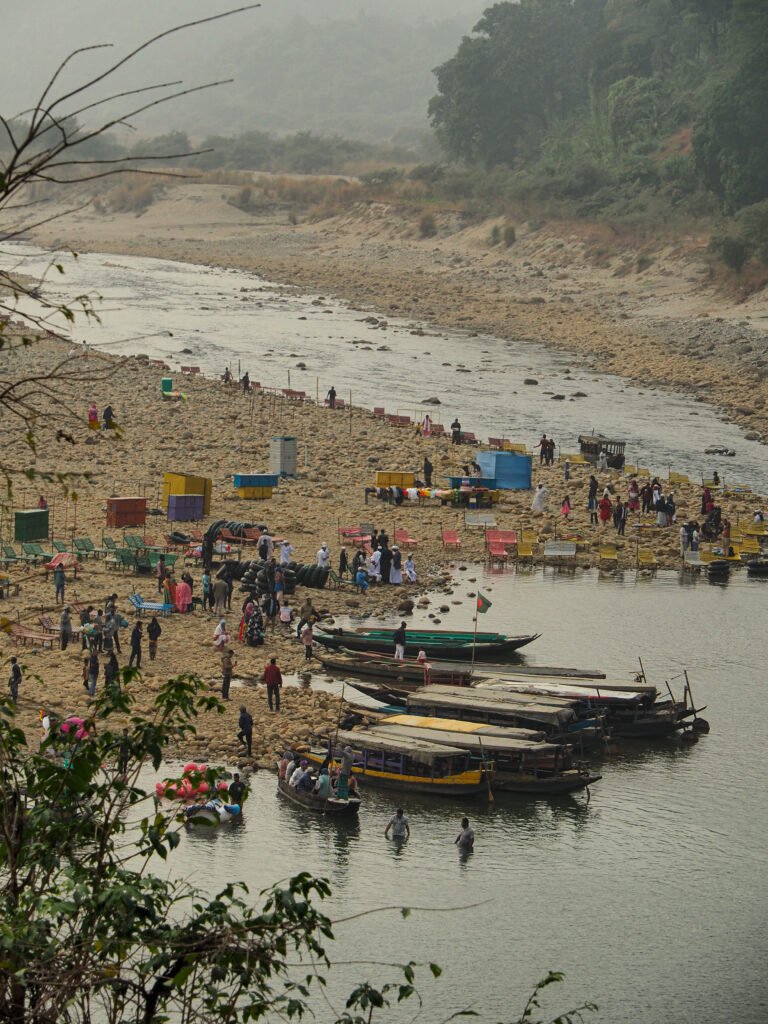
- Shnongpdeng Dawki River: probably the most popular river spot in Meghalaya, it’s supposed to have the clearest water of all and for that reason hundreds if not thousands of tourists come here to rent a canoe, paddle on its waters and then camp in one of the many busy campings on either side of the river. If the weather is cloudy, the water will be as good, if not less, than many other spots in the region, and the overwhelming crowd and extremely busy traffic to reach Shnongpdeng will feel like a big waste of time.